

Many people treat consistency like the ultimate fitness badge. If the workout is on the calendar, they do it no matter how tired, sore, stressed, or drained they feel. That mindset can look disciplined, but it often creates setbacks.
Your workout plan is useful, but it is not magic. It cannot predict poor sleep, extra stress, lingering soreness, or early signs of injury. Your body gives real-time feedback every day. Learning how to listen to your body during workouts can help you train and recover Kmarter, as well as stay consistent long term. Progress is not built on blindly pushing through everything. knowing when to push, scale back, and recover is key.
The Problem With Pushing Through Pain and Fatigue
There is a difference between effort and warning signs.

Many people ignore pain, fatigue, or burnout because they do not want to lose momentum, often repeating mistakes covered in Interval Training vs Reps: What Most Workouts Get Wrong. Forcing hard workouts when your body is asking for recovery can lead to:
- nagging injuries
- stalled performance
- poor motivation
- chronic fatigue
- mental burnout
One skipped workout rarely ruins progress. Weeks of poor recovery often do. Consistency should not mean running yourself into the ground. It should mean staying healthy enough to keep showing up.
Body Check-Ins Before Every Workout
Before you train, take sixty seconds and ask yourself these questions.
1. Check Your Energy Levels Before Training
Ask yourself:
Am I tired from life, or am I under-recovered?
These are not the same thing. If you are mentally tired from work or stress, movement may help you feel better. A strength session, walk, or light cardio workout can improve energy.
If you feel physically drained, heavy, sluggish, and sleep-deprived, recovery may be the smarter move. Lower intensity or shorten the workout instead of forcing max effort.

2. Know the Difference Between Soreness and Pain
Ask yourself:
Is this normal soreness or sharp pain?
Soreness is common after training. It usually feels stiff, dull, or tender. Pain is different. It may feel sharp, unstable, sudden, or worse during movement.
Normal soreness can often be trained around. Sharp pain should be respected. Trying to “push through” pain is one of the fastest ways to turn a small issue into a larger injury.
3. Check Your Stress and Mood Before Exercise
Ask yourself:
Am I ready to train hard today, or am I mentally overloaded?
Stress affects performance more than many people realize. High stress can reduce recovery, motivation, and workout quality. If your mind feels crowded and your body feels tense, today may be a better day for:
- walking
- mobility work
- stretching
- easy cardio
- lighter lifting
That still counts. Smart training is not all-or-nothing.
Adjust Your Workout Instead of Skipping It

Many people think they only have two choices:
- crush the planned workout
- do nothing
That is weak logic. A better option is to adjust the session based on what your body needs today, especially if you are rebuilding after time away, as discussed in How to Return to Fitness After Time Off Without Pressure or Guilt.
You can:
- reduce workout volume
- lower the weight
- add longer rest periods
- shorten the session
- swap HIIT for a walk
- focus on movement quality
This approach helps you stay active while protecting recovery.
Hard Work Should Feel Like Effort, Not Dread
Challenging workouts are normal. Every session should not feel easy.
But if your workouts constantly feel heavy, draining, or mentally exhausting, something needs to change. Hard training should feel like effort, not dread. The goal is not to avoid challenge. The goal is to build a routine you can sustain for months and years.

Long-Term Fitness Is Built on Smart Consistency
The best workout plan is one you can follow consistently without breaking yourself down. Listening to your body is not weakness. It is awareness. It helps you avoid setbacks, improve recovery, and train with better intention.
Your body often whispers before it screams. Learn to hear it early.
Interested in Training with Me or Just Want to Connect?
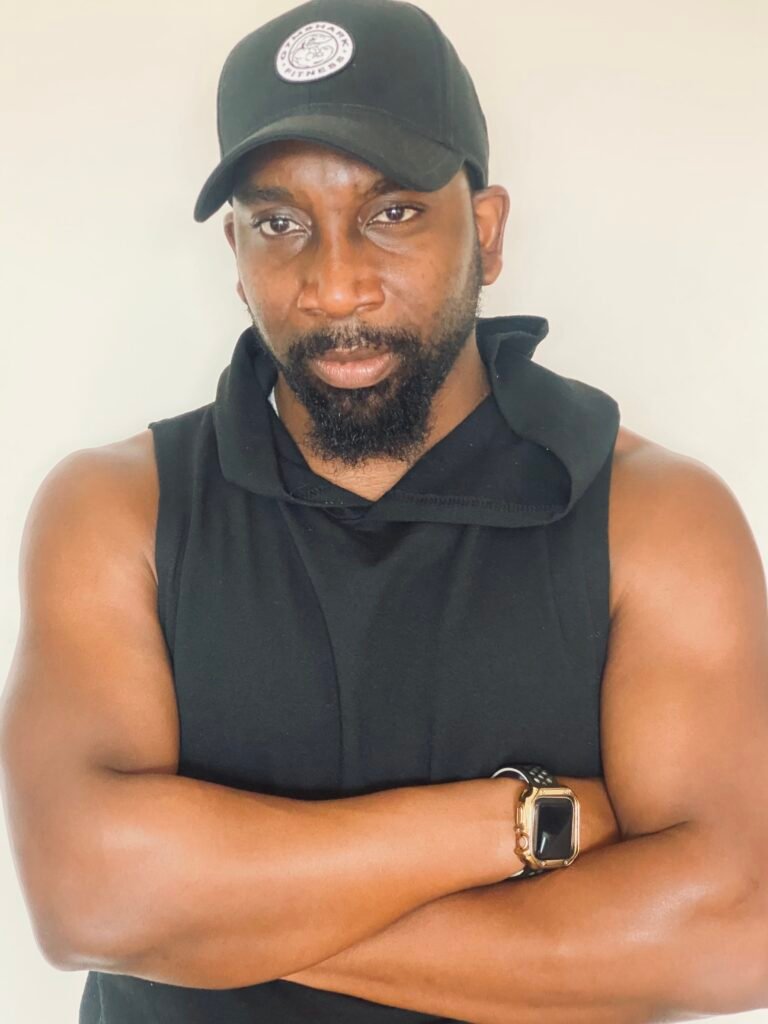
Fitness professional standing with arms crossed, wearing a black sleeveless hoodie and cap, calm confident expression against a clean neutral background.
Send a DM to @Litoswaay, or email Carlos@ConditionedLiving.com; I’d love to hear from you!
Follow @ConditionedLiving for reflections, tips, and updates on mindset, strength, and everyday wellness.
Stay in the loop by joining my free mailing list for updates and inspiration.
Additionally, download the free guide/e-book A Sustainable Start” to begin your journey toward sustainable strength and wellness, with a focus on consistency and balance.
Conditioned Living is about realistic fitness and training advice. Real progress takes time; stay consistent.





Leave a Reply