
Tag: Wellness

  • Why Body Weight Can Be Misleading: You Are Not a Number

    Why Body Weight Can Be Misleading: You Are Not a Number

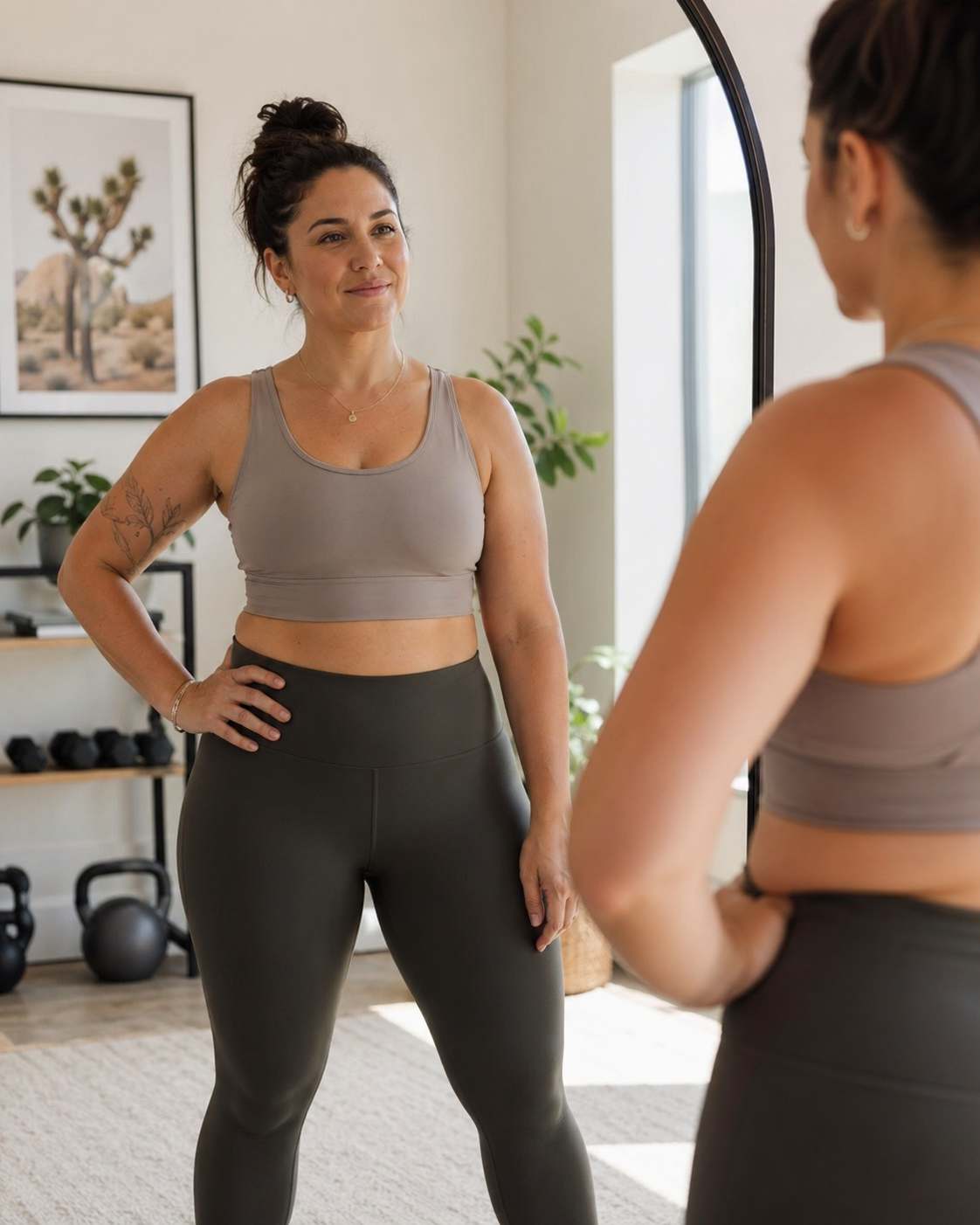
    Confident woman in neutral workout clothes standing near a tall mirror in a bright home fitness space, with dumbbells and kettlebells in the background, reflecting on her body and progress with a calm, body-positive expression.

    A number on the scale can feel louder than it should.

    People hear a weight like 180, 200, or 230 pounds and immediately picture a certain body type. They assume they know what that number looks like. They imagine size, softness, fitness level, and sometimes even health, but body weight can be misleading.

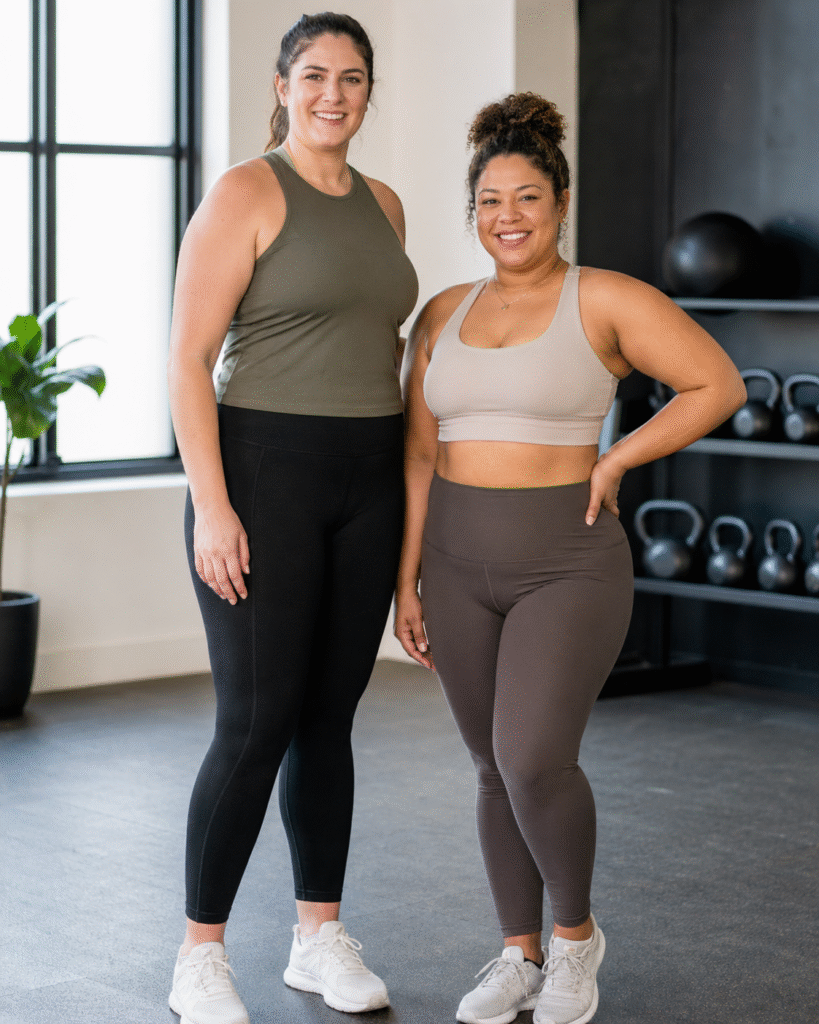
    Two people can weigh the exact same and look completely different. One person may look athletic and strong. Another may look softer. Someone else may carry weight in a way that makes the number surprising. That is because the scale only tells you total weight. It does not tell you height, muscle mass, fat distribution, posture, training history, or how someone feels in their body.

    The scale gives information, it doesn’t tell the whole story.

    Weight Does Not Sit the Same on Every Body

    One of the biggest reasons body weight can be misleading is that weight does not sit the same on every person.

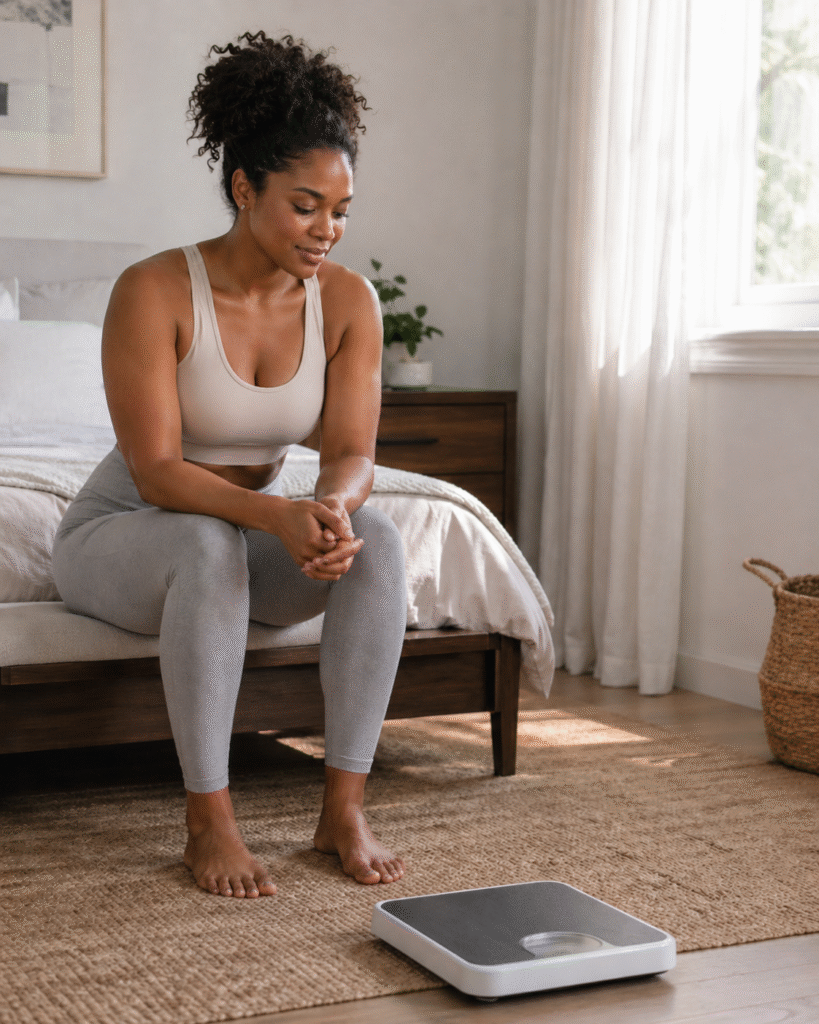
    African American woman in neutral athletic wear sitting on the edge of a bed in a bright bedroom, calmly looking toward a bathroom scale with no visible number, reflecting on wellness beyond weight.

    Height (for one) can change everything. A woman who is 230 pounds at 5 feet 2 inches will usually look very different from a woman who is 230 pounds at 5 feet 9 inches. A taller body has more space for that weight to distribute. The number may be the same, but the visual result can be completely different.

    Frame size matters too. Shoulder width, hip structure, bone density, and natural body shape all affect how weight appears. Some people carry weight evenly. Others carry more in their stomach, hips, thighs, chest, arms, or back. Just like I covered in BMI and Fitness: Why the Number Doesn’t Tell the Whole Story, a single measurement can give you information, but it cannot explain the full picture.

    Body Composition Matters More Than Body Weight

    Body composition is one of the most important parts of this conversation.

    Your total body weight includes muscle, fat, bone, water, organs, food, and stored glycogen. The scale does not separate those things for you. It simply gives you one number and lets your brain panic or celebrate from there.

    Someone with more muscle may weigh more than expected but look firmer, stronger, or more athletic. Muscle adds weight, especially in the legs, glutes, back, and shoulders. Someone else may weigh less but look softer if they have less muscle mass.

    This is why strength training can change the way your body looks even when the scale barely moves. If your goal is to build muscle while improving body composition, Are You Lifting Heavy Enough? A Simple Guide to Muscle Growth and Fat Loss breaks down why the right training stimulus matters. The scale tells you how much of you there is, not what that weight is made of.

    Fat Distribution Changes the Visual Story

    Fat distribution plays a major role in how someone looks at any weight.

    Some people gain weight mostly in the midsection, while others gain more in their hips, thighs, glutes, chest, arms, or back. Genetics, hormones, stress, age, activity level, and lifestyle can all affect where the body stores fat.

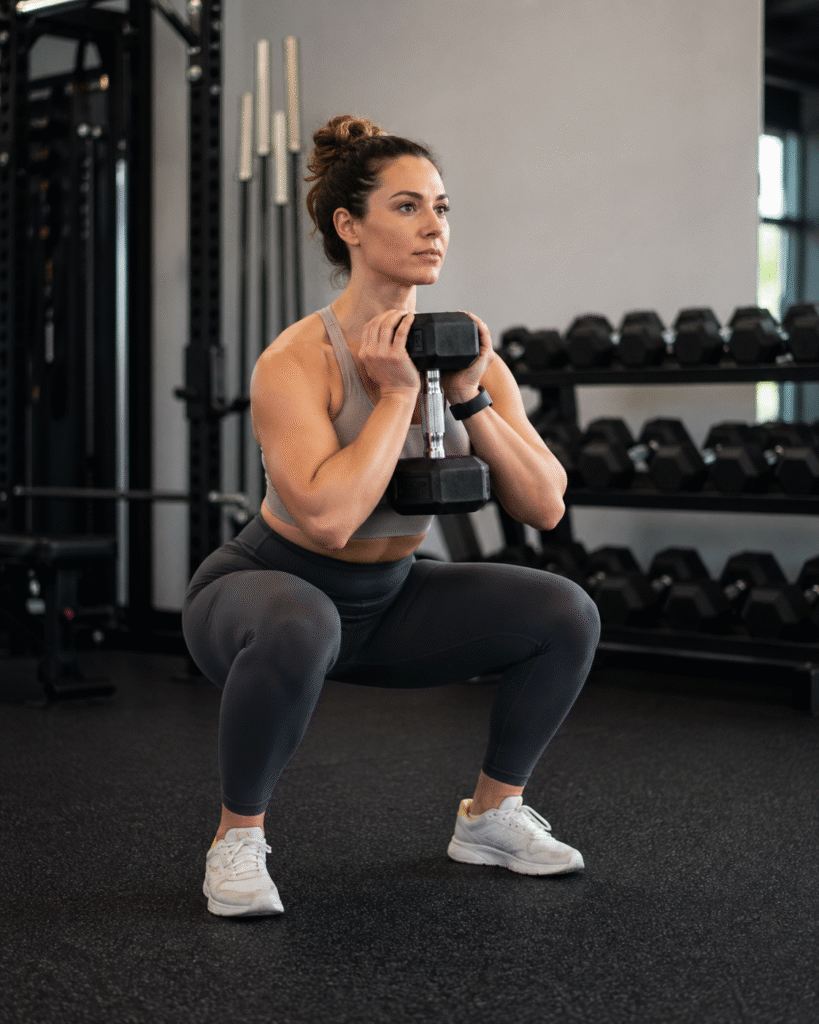
    Strong woman in neutral workout clothes performing a controlled goblet squat with a dumbbell in a clean gym, showing focused strength and natural athletic form.

    Someone can have noticeable softness in one area but still not look as big as the scale number sounds. A person may have belly softness, but if weight is also spread through the legs, hips, chest, and upper body, the overall appearance may look more balanced. Softness is not a moral failure. It is part of how bodies store energy and respond to life. The goal isn’t shame, it’s awareness.

    The Problem With Scale Obsession

    The scale becomes a problem when it turns into the only scoreboard. A higher number can make someone feel like they are failing, even if they are stronger, sleeping better, walking more, and building healthier habits. A lower number can create false confidence if that weight loss comes with muscle loss, low energy, or poor nutrition.

    Body weight is useful, but it needs context. It can help track trends, but it should not control the entire conversation. Better progress markers include:

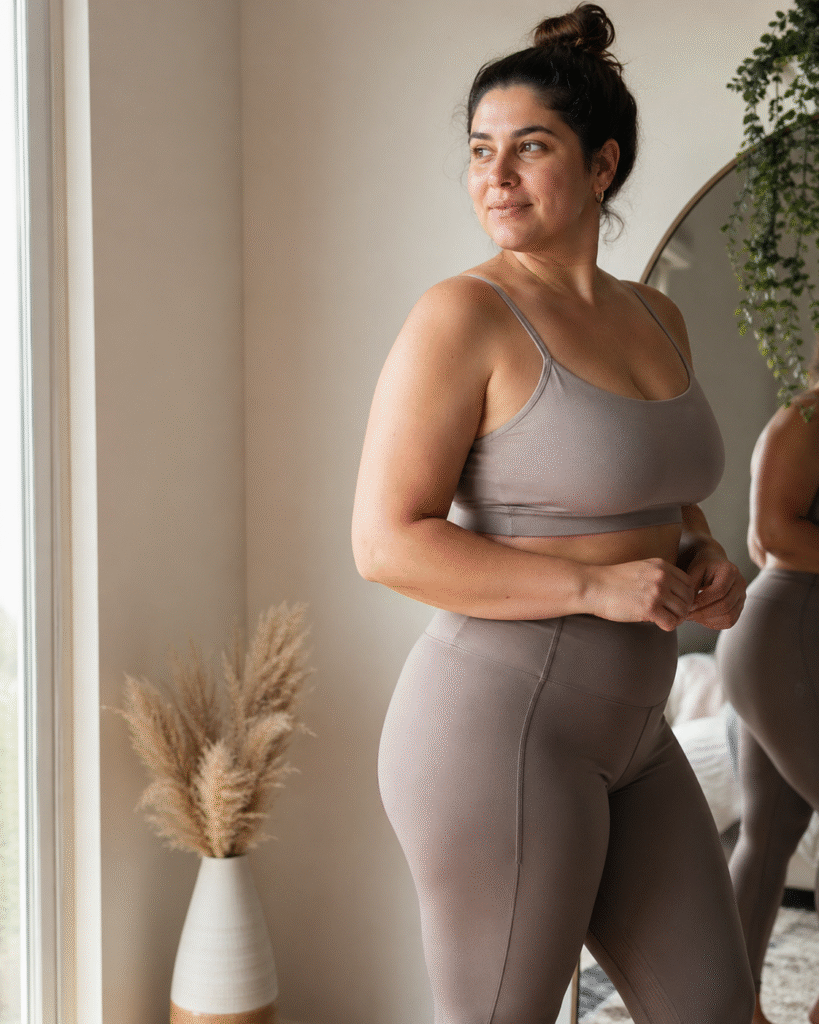
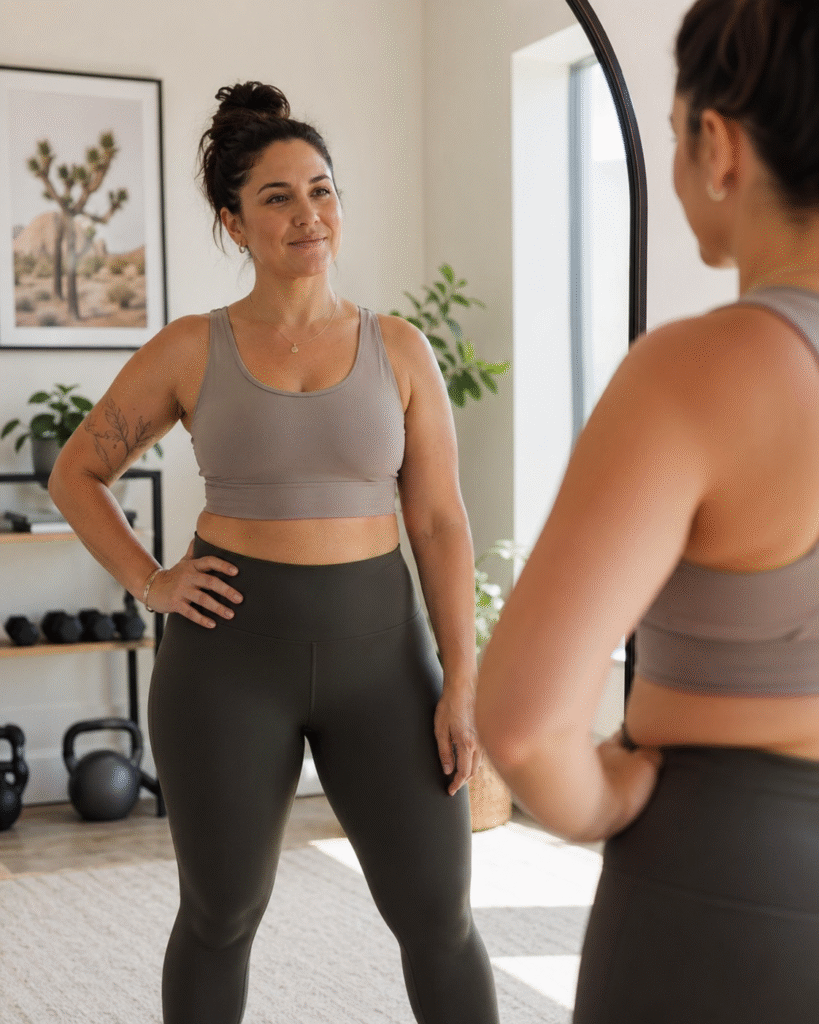
    Woman in neutral fitted workout clothes standing near a bright window and mirror, showing a natural body shape with a calm, confident expression in a warm wellness setting.
    • how your clothes fit
    • waist measurement
    • strength increases
    • walking endurance
    • workout recovery
    • resting heart rate
    • energy levels
    • mood
    • consistency

    Progress photos can help too, as long as they are used with a healthy mindset. A healthier body usually reveals itself through more than one number.

    You Are Not a Scale Reading

    You can weigh more than expected and not look the way people assume. You can weigh less and still feel soft, weak, or out of shape. You can also stay the same weight while building a stronger, healthier body underneath. The goal is not to ignore the scale completely. The goal is to stop giving it more power than it deserves.

    If you take one thing away for this let it be that ou do not look like a number. You look like a combination of height, structure, muscle, fat distribution, habits, history, and life. That is why real progress should be measured by more than pounds.

    Focus on building strength, improving your conditioning and moving consistently. Eat in a way that supports your body and let the scale be one tool, not the final judge.

    Interested in training with me or just want to connect?
    Fitness professional standing with arms crossed, wearing a black sleeveless hoodie and cap, calm confident expression against a clean neutral background.

    Send a DM to @ConditionedLiving, or email Carlos@ConditionedLiving.com.  Stay in the loop by following me on social media for updates, inspiration, for reflections, tips, and updates on mindset, strength, and everyday wellness.

    Also, download the free guide A Sustainable Start to begin your journey toward sustainable strength and wellness.

  • Why Listening to Your Body Leads to Better Workouts and Recovery

    Why Listening to Your Body Leads to Better Workouts and Recovery

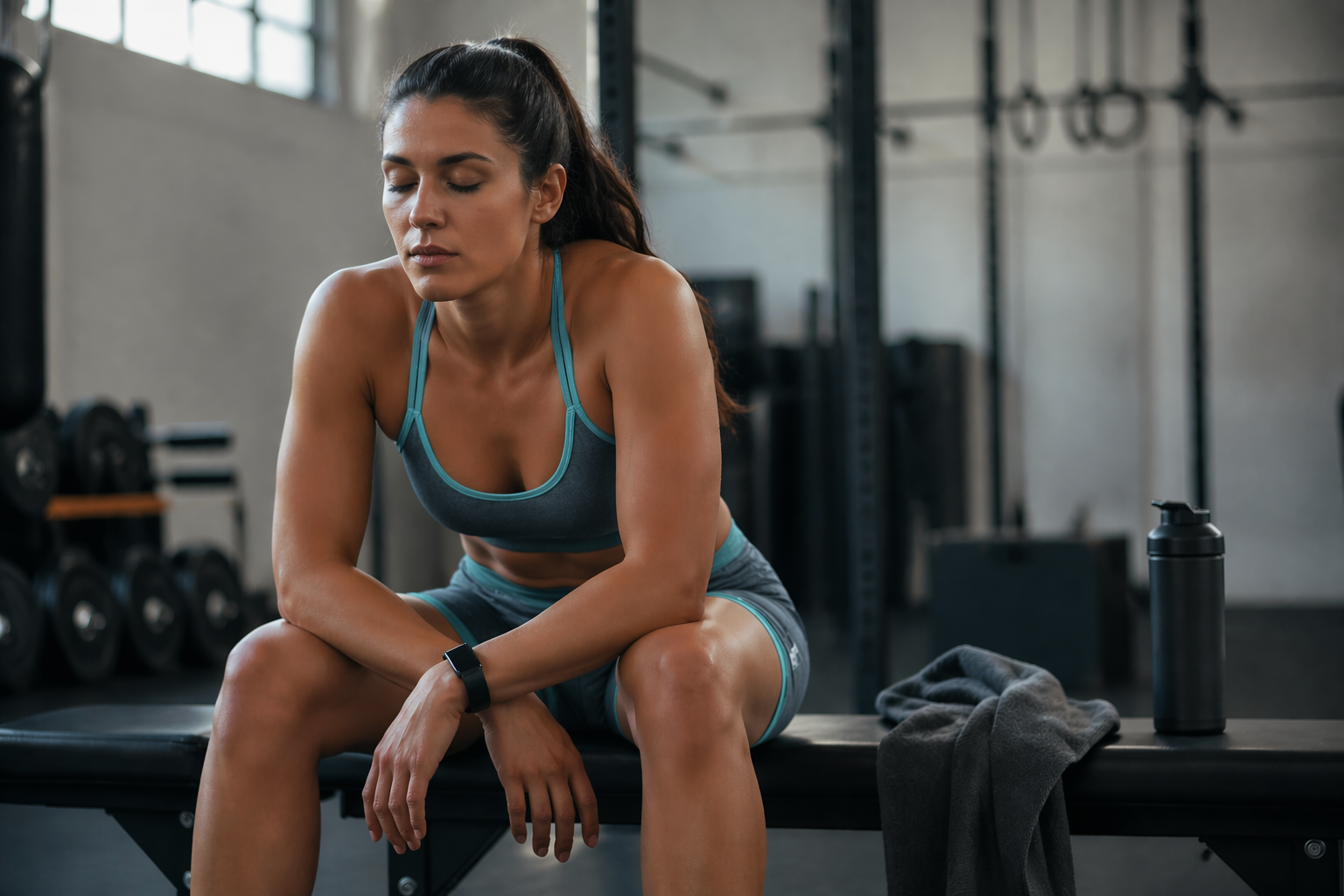
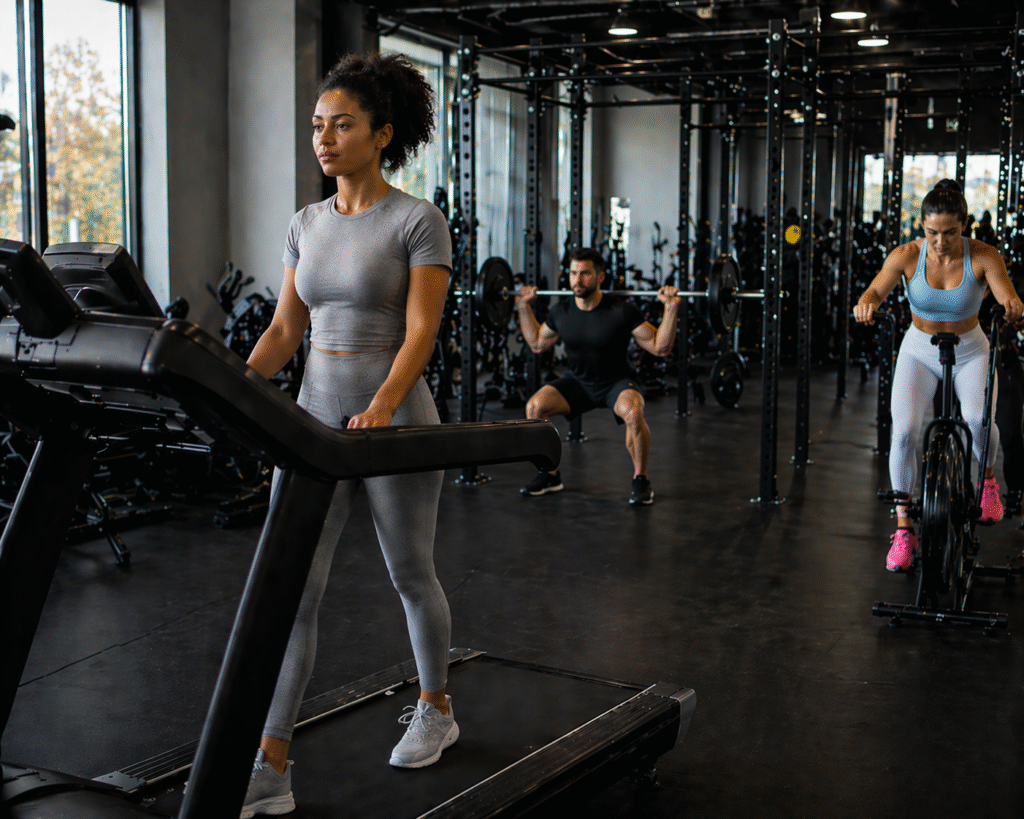
    Athletic woman in grey and teal workout outfit sitting on a bench in a gym, eyes closed and resting between workouts, with water bottle and towel nearby

    Many people treat consistency like the ultimate fitness badge. If the workout is on the calendar, they do it no matter how tired, sore, stressed, or drained they feel. That mindset can look disciplined, but it often creates setbacks.

    Your workout plan is useful, but it is not magic. It cannot predict poor sleep, extra stress, lingering soreness, or early signs of injury. Your body gives real-time feedback every day. Learning how to listen to your body during workouts can help you train and recover Kmarter, as well as stay consistent long term. Progress is not built on blindly pushing through everything. knowing when to push, scale back, and recover is key.

    The Problem With Pushing Through Pain and Fatigue

    There is a difference between effort and warning signs.

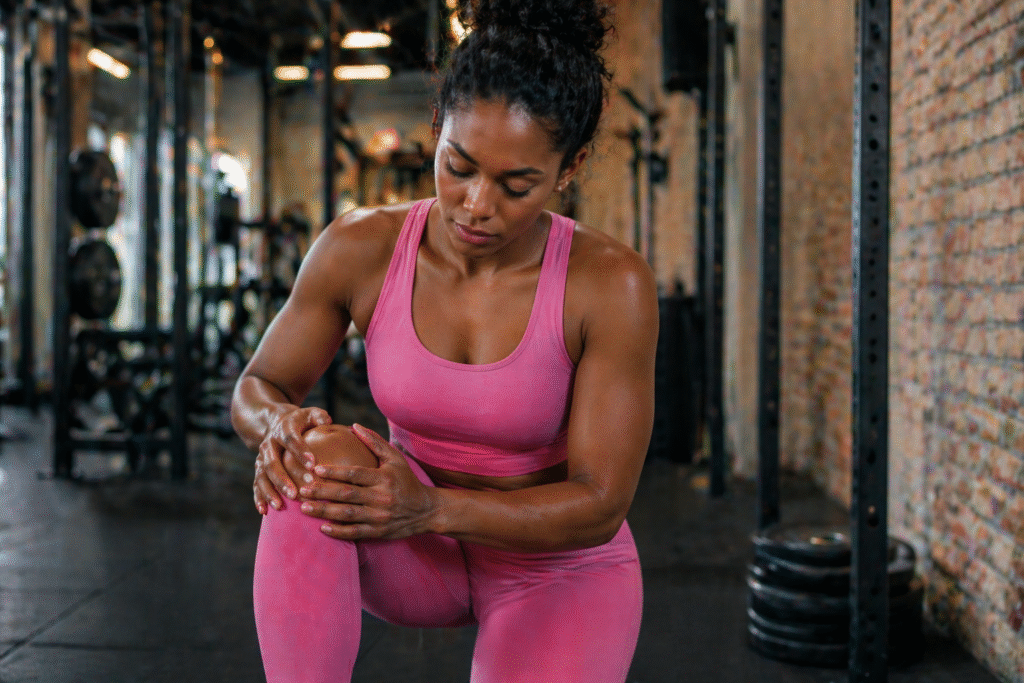
    Fitness woman in pink gym outfit assessing knee discomfort during training in a modern fitness center, focusing on recovery and body awareness

    Many people ignore pain, fatigue, or burnout because they do not want to lose momentum, often repeating mistakes covered in Interval Training vs Reps: What Most Workouts Get Wrong. Forcing hard workouts when your body is asking for recovery can lead to:

    • nagging injuries
    • stalled performance
    • poor motivation
    • chronic fatigue
    • mental burnout

    One skipped workout rarely ruins progress. Weeks of poor recovery often do. Consistency should not mean running yourself into the ground. It should mean staying healthy enough to keep showing up.

    Body Check-Ins Before Every Workout

    Before you train, take sixty seconds and ask yourself these questions.

    1. Check Your Energy Levels Before Training

    Ask yourself:

    Am I tired from life, or am I under-recovered?

    These are not the same thing. If you are mentally tired from work or stress, movement may help you feel better. A strength session, walk, or light cardio workout can improve energy.

    If you feel physically drained, heavy, sluggish, and sleep-deprived, recovery may be the smarter move. Lower intensity or shorten the workout instead of forcing max effort.

    2. Know the Difference Between Soreness and Pain

    Ask yourself:

    Is this normal soreness or sharp pain?

    Soreness is common after training. It usually feels stiff, dull, or tender. Pain is different. It may feel sharp, unstable, sudden, or worse during movement.

    Normal soreness can often be trained around. Sharp pain should be respected. Trying to “push through” pain is one of the fastest ways to turn a small issue into a larger injury.

    3. Check Your Stress and Mood Before Exercise

    Ask yourself:

    Am I ready to train hard today, or am I mentally overloaded?

    Stress affects performance more than many people realize. High stress can reduce recovery, motivation, and workout quality. If your mind feels crowded and your body feels tense, today may be a better day for:

    • walking
    • mobility work
    • stretching
    • easy cardio
    • lighter lifting

    That still counts. Smart training is not all-or-nothing.

    Adjust Your Workout Instead of Skipping It

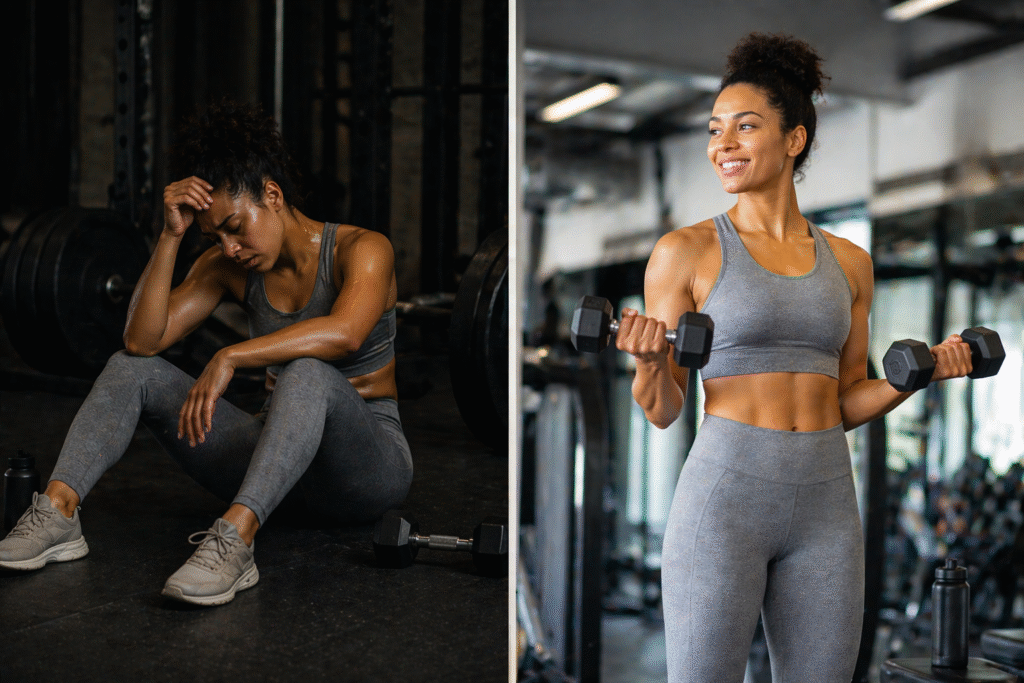
    Comparison image of overtraining versus balanced exercise, with fatigued woman resting on gym floor contrasted with energized woman strength training with dumbbells

    Many people think they only have two choices:

    • crush the planned workout
    • do nothing

    That is weak logic. A better option is to adjust the session based on what your body needs today, especially if you are rebuilding after time away, as discussed in How to Return to Fitness After Time Off Without Pressure or Guilt.

    You can:

    • reduce workout volume
    • lower the weight
    • add longer rest periods
    • shorten the session
    • swap HIIT for a walk
    • focus on movement quality

    This approach helps you stay active while protecting recovery.

    Hard Work Should Feel Like Effort, Not Dread

    Challenging workouts are normal. Every session should not feel easy.

    But if your workouts constantly feel heavy, draining, or mentally exhausting, something needs to change. Hard training should feel like effort, not dread. The goal is not to avoid challenge. The goal is to build a routine you can sustain for months and years.

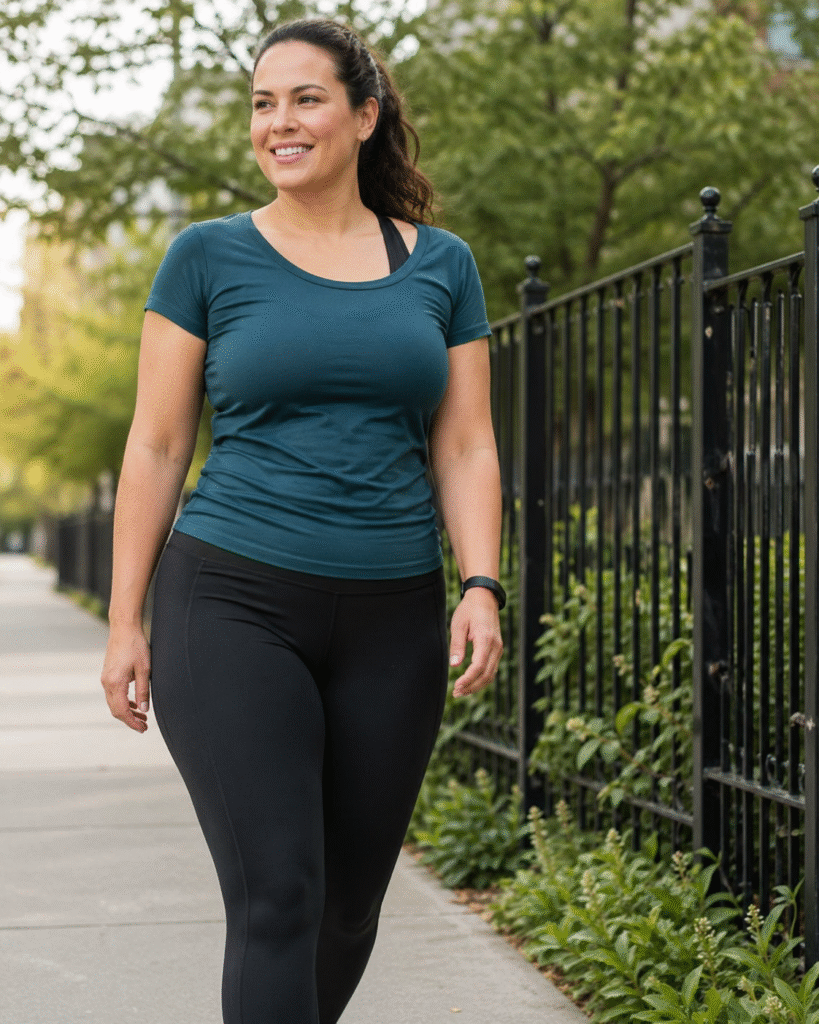
    Woman taking a mindful morning walk in a park with relaxed breathing and sunrise light, representing fitness recovery, stress relief, and wellness

    Long-Term Fitness Is Built on Smart Consistency

    The best workout plan is one you can follow consistently without breaking yourself down. Listening to your body is not weakness. It is awareness. It helps you avoid setbacks, improve recovery, and train with better intention.

    Your body often whispers before it screams. Learn to hear it early.


    Interested in Training with Me or Just Want to Connect?

    Fitness professional standing with arms crossed, wearing a black sleeveless hoodie and cap, calm confident expression against a clean neutral background.

    Fitness professional standing with arms crossed, wearing a black sleeveless hoodie and cap, calm confident expression against a clean neutral background.
    Send a DM to @Litoswaay, or email Carlos@ConditionedLiving.com; I’d love to hear from you!
    Follow @ConditionedLiving for reflections, tips, and updates on mindset, strength, and everyday wellness.

    Stay in the loop by joining my free mailing list for updates and inspiration.

    Additionally, download the free guide/e-book A Sustainable Start” to begin your journey toward sustainable strength and wellness, with a focus on consistency and balance.
    Conditioned Living is about realistic fitness and training advice. Real progress takes time; stay consistent.

fb-share-icon
Instagram