
Tag: consistency

  • Why Listening to Your Body Leads to Better Workouts and Recovery

    Why Listening to Your Body Leads to Better Workouts and Recovery

    Athletic woman in grey and teal workout outfit sitting on a bench in a gym, eyes closed and resting between workouts, with water bottle and towel nearby

    Many people treat consistency like the ultimate fitness badge. If the workout is on the calendar, they do it no matter how tired, sore, stressed, or drained they feel. That mindset can look disciplined, but it often creates setbacks.

    Your workout plan is useful, but it is not magic. It cannot predict poor sleep, extra stress, lingering soreness, or early signs of injury. Your body gives real-time feedback every day. Learning how to listen to your body during workouts can help you train and recover Kmarter, as well as stay consistent long term. Progress is not built on blindly pushing through everything. knowing when to push, scale back, and recover is key.

    The Problem With Pushing Through Pain and Fatigue

    There is a difference between effort and warning signs.

    Fitness woman in pink gym outfit assessing knee discomfort during training in a modern fitness center, focusing on recovery and body awareness

    Many people ignore pain, fatigue, or burnout because they do not want to lose momentum, often repeating mistakes covered in Interval Training vs Reps: What Most Workouts Get Wrong. Forcing hard workouts when your body is asking for recovery can lead to:

    • nagging injuries
    • stalled performance
    • poor motivation
    • chronic fatigue
    • mental burnout

    One skipped workout rarely ruins progress. Weeks of poor recovery often do. Consistency should not mean running yourself into the ground. It should mean staying healthy enough to keep showing up.

    Body Check-Ins Before Every Workout

    Before you train, take sixty seconds and ask yourself these questions.

    1. Check Your Energy Levels Before Training

    Ask yourself:

    Am I tired from life, or am I under-recovered?

    These are not the same thing. If you are mentally tired from work or stress, movement may help you feel better. A strength session, walk, or light cardio workout can improve energy.

    If you feel physically drained, heavy, sluggish, and sleep-deprived, recovery may be the smarter move. Lower intensity or shorten the workout instead of forcing max effort.

    2. Know the Difference Between Soreness and Pain

    Ask yourself:

    Is this normal soreness or sharp pain?

    Soreness is common after training. It usually feels stiff, dull, or tender. Pain is different. It may feel sharp, unstable, sudden, or worse during movement.

    Normal soreness can often be trained around. Sharp pain should be respected. Trying to “push through” pain is one of the fastest ways to turn a small issue into a larger injury.

    3. Check Your Stress and Mood Before Exercise

    Ask yourself:

    Am I ready to train hard today, or am I mentally overloaded?

    Stress affects performance more than many people realize. High stress can reduce recovery, motivation, and workout quality. If your mind feels crowded and your body feels tense, today may be a better day for:

    • walking
    • mobility work
    • stretching
    • easy cardio
    • lighter lifting

    That still counts. Smart training is not all-or-nothing.

    Adjust Your Workout Instead of Skipping It

    Comparison image of overtraining versus balanced exercise, with fatigued woman resting on gym floor contrasted with energized woman strength training with dumbbells

    Many people think they only have two choices:

    • crush the planned workout
    • do nothing

    That is weak logic. A better option is to adjust the session based on what your body needs today, especially if you are rebuilding after time away, as discussed in How to Return to Fitness After Time Off Without Pressure or Guilt.

    You can:

    • reduce workout volume
    • lower the weight
    • add longer rest periods
    • shorten the session
    • swap HIIT for a walk
    • focus on movement quality

    This approach helps you stay active while protecting recovery.

    Hard Work Should Feel Like Effort, Not Dread

    Challenging workouts are normal. Every session should not feel easy.

    But if your workouts constantly feel heavy, draining, or mentally exhausting, something needs to change. Hard training should feel like effort, not dread. The goal is not to avoid challenge. The goal is to build a routine you can sustain for months and years.

    Woman taking a mindful morning walk in a park with relaxed breathing and sunrise light, representing fitness recovery, stress relief, and wellness

    Long-Term Fitness Is Built on Smart Consistency

    The best workout plan is one you can follow consistently without breaking yourself down. Listening to your body is not weakness. It is awareness. It helps you avoid setbacks, improve recovery, and train with better intention.

    Your body often whispers before it screams. Learn to hear it early.


    Interested in Training with Me or Just Want to Connect?
    Fitness professional standing with arms crossed, wearing a black sleeveless hoodie and cap, calm confident expression against a clean neutral background.

    Fitness professional standing with arms crossed, wearing a black sleeveless hoodie and cap, calm confident expression against a clean neutral background.
    Send a DM to @Litoswaay, or email Carlos@ConditionedLiving.com; I’d love to hear from you!
    Follow @ConditionedLiving for reflections, tips, and updates on mindset, strength, and everyday wellness.

    Stay in the loop by joining my free mailing list for updates and inspiration.

    Additionally, download the free guide/e-book A Sustainable Start” to begin your journey toward sustainable strength and wellness, with a focus on consistency and balance.

    Conditioned Living is about realistic fitness and training advice. Real progress takes time; stay consistent.


  • Discipline from the Gym to Everyday Life: Making Fitness Part of Your Identity

    Discipline from the Gym to Everyday Life: Making Fitness Part of Your Identity

    You hit your workouts consistently, but the moment you step outside the gym, that discipline fades.
    Ever notice how some people just live their fitness, while for others it’s just another box to check?

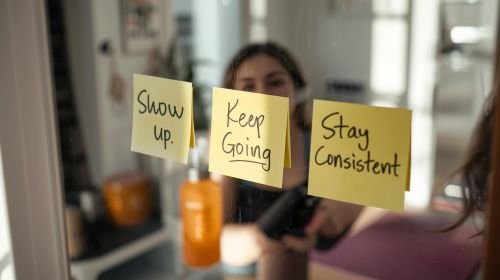
    I’ll be the first to admit, I’ve had my own struggles with discipline. I can get my workout done, but then something like writing a blog post suddenly feels like the most tedious thing in the world. It’s funny how we can power through a tough set but stall on the small things that move us forward. I’ve learned that discipline isn’t just about doing the hard thing; it’s about showing up for yourself, no matter the context.

    Turning Exercise Into a Lifestyle, Not a Task

    For me, exercise is non-negotiable. I love training first thing in the morning, but life doesn’t always make that possible. After about noon, it gets a little harder; motivation dips and distractions pile up,  but I still make sure I get it done. The difference? I’ve made fitness part of my identity. When something becomes who you are, not just what you do, you stop giving yourself ways to back out.

    Many people separate “workout life” and “real life,” but the truth is, sustainable health happens when movement, mindfulness, and nutrition blend seamlessly into daily living. Fitness shouldn’t live in a silo. It should show up in small, natural ways that remind you you’re living actively.

    Maybe it’s:

    • Taking the stairs instead of the elevator.
    • Doing walking meetings instead of sitting all day.
    • Treating meal prep as an act of self-care, not a chore.

    Weaving fitness into your routine, as a form of alignment as opposed to punishment, can help with the transformation from effort into identity.

    Discipline and Intention: The Foundation of Lasting Change

    It always amazes me how, the moment a consultation starts, people assume a trainer’s goal is to “train them half to death.” Some even want me to be a drill sergeant of sorts. Somewhere along the way, fitness became akin to boot camp. People crave discipline but expect it to come through force, not trust. Discipline isn’t punishment. It’s a conversation between your mind and your body.

    Good habits are hard to build and easy to lose, but they’re never born from shame. When clients realize that I’m not here to manipulate or degrade them but to teach them how to fall in love with the process, something shifts.

    That’s when the magic happens because the transformation doesn’t start in the gym. It starts in the mind. They move with passion. They fall in love with the process. That’s when fitness becomes a part of you forever.

    Intention + Discipline = Sustainable Fitness

    Intention setting is about clarity and purpose. Deciding why you want to do something and how you want to show up in the process. For example, “I intend to prioritize my health by moving my body daily” creates a mental and emotional anchor, a guiding principle rather than a strict rule.

    Discipline is about follow-through; the structure, consistency, and self-control that turn intention into daily action, even when motivation dips. Discipline makes your intention tangible.

    Think of it like this:

    • Intention = direction (your “why”)
    • Discipline = momentum (your “how”)

    Without intention, discipline can feel rigid or empty, like forcing yourself through routines without meaning. Without discipline, intention stays in the realm of good ideas. When the two align, you create a sustainable, meaningful practice.

    For example:
    “I intend to feel strong and grounded in my body.”
    → leads to →
    “I discipline myself to show up for strength training three times a week.”

    That’s where transformation takes root; not just in your muscles, but in your mindset.

    What “Making Fitness Part of Your Identity” Really Means

    Making fitness part of your identity means reframing how you think about yourself and your habits. Instead of “I have to work out,” try “I’m someone who trains.” It’s a subtle but powerful shift.

    When your actions align with who you believe yourself to be, consistency follows naturally. You no longer negotiate with yourself about whether you’ll work out; it’s just what you do.

    Fitness also supports who you want to be: strong, focused, and confident. It’s not just about how you look. When your goals align with your values, showing up becomes easier.

    To help build that connection:

    • Anchor your routines in purpose (a morning ritual, journaling progress).
    • Keep accountability partners who share your goals.
    • Focus on progress markers beyond aesthetics such as endurance, strength, energy and mindset.

    Training is a mirror. What you practice under the bar shows up in your real life such as resilience, patience and commitment.


    Integrating Fitness Into Everyday Life

    If you want to make fitness second nature, build systems that support it. These aren’t hacks, they’re habits that reinforce who you are:

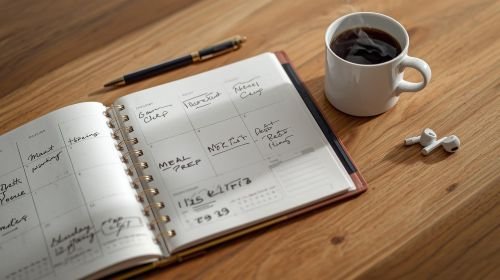
    • Schedule movement like a meeting. It’s not optional, it’s on the calendar.
    • Eat to fuel, not restrict. Nutrition supports performance, not punishment.
    • Set goals beyond looks. Maybe it’s running a 5K, hiking a new trail, or improving your deadlift.
    • Surround yourself with people who live actively. Energy is contagious.

    The goal isn’t perfection; it’s consistency with compassion. The best fitness identity is one that is strong, flexible, adaptable and blends with who you are.

    Mindset & Reflection

    When fitness becomes who you are, not just what you do,  you start to carry that strength into every part of your life. It shows up in how you handle stress, how you speak to yourself, and how you show up for others.

    At Conditioned Living, we believe in training for the long game. This is a place where strength, cardio, recovery, and mindset all work together to create lasting wellness.

    The gym is the training ground. But the real work?
    That’s how you live when you walk out the door.


    If this story resonated, I’d love to hear from you.
    You can DM me on Instagram @Litoswaay or @ConditionedLiving; or send an email to Lacayo.Carlos1@gmail.com, I’d love to connect.
    Also, follow @ConditionedLiving for updates, tips, and all things mindset and movement.

fb-share-icon
Instagram