

Summer workouts can be sneaky. The same walk, run, lift, or conditioning session that felt manageable in cooler weather can suddenly feel harder once the temperature rises. Your heart rate climbs faster, your breathing feels heavier and not to mention a normal pace starts to feel like your body is negotiating with the sun. That does not automatically mean you lost fitness. It may mean your body is dealing with more than the workout itself.
When you exercise in warmer weather, your body has to move blood and oxygen to your working muscles while also trying to cool you down. That extra demand can make your heart rate feel higher during summer workouts, even if you are doing the same routine you handled comfortably in the fall or winter.
Heat Changes the Workout
Your body does not exercise in a vacuum. Temperature, humidity, hydration, sleep, and recovery all affect how hard a workout feels.
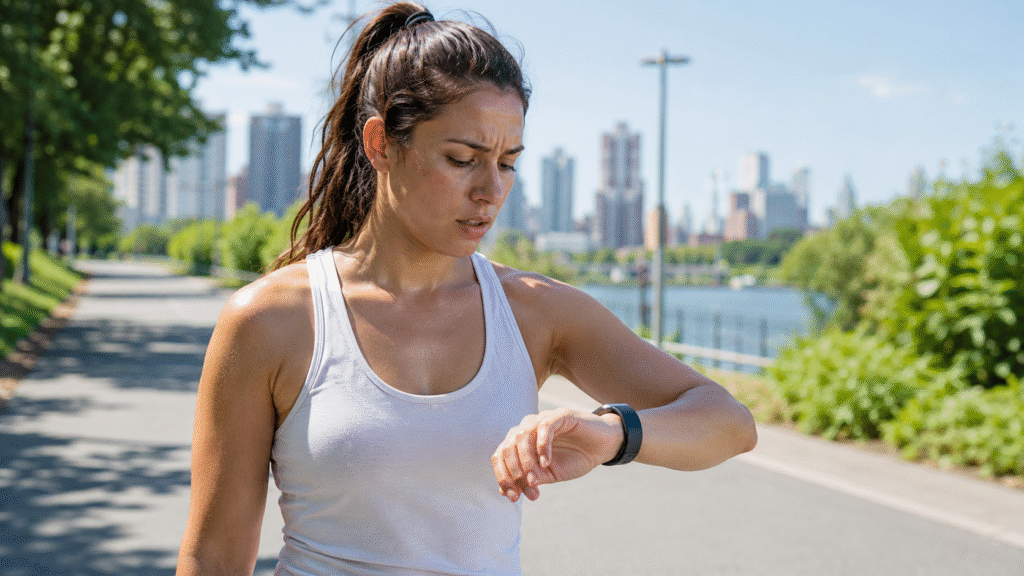
In cooler weather, your body may not need to work as aggressively to manage heat. In hot weather, your internal cooling system has to stay active while you move. That means your heart is helping fuel the workout and helping regulate body temperature at the same time. That is why a summer workout can feel harder without the workout itself actually changing.
This matters because a higher heart rate is not always a sign that you are getting a better workout. Sometimes it is a sign that the environment is adding extra stress.
The Same Workout May Need a Different Pace
One of the biggest mistakes people make during hot weather workouts is trying to force the exact same numbers they hit in cooler months. The same pace, reps, or conditioning circuit may not feel the same in July as it did in October. This simply means your body is responding to the conditions.

This is where training smarter matters. If your goal is consistency, you may need to adjust the workout instead of trying to bully your way through it. That could mean slowing your pace, taking longer rest breaks, cutting a few minutes off the session, or moving the workout indoors when the heat is doing too much.
It is the same idea behind learning how to stay consistent when life gets busier: progress is not about forcing perfection. It is about making the right adjustment so you can keep going.
Hydration Affects Effort Too
Sweating helps cool the body, but it also means you are losing fluid. When you are dehydrated, workouts can feel harder, and your heart rate may feel more elevated than usual. That is why hydration should not be an afterthought during summer training. Drink water before you train, pay attention during the session, and rehydrate afterward. You do not need to overcomplicate it. Just do not wait until you feel completely drained to take hydration seriously.
How to Train Smarter in the Heat

Summer workouts do not need to disappear. They just need a little more awareness. Try training earlier in the morning or later in the evening when possible. Choose shaded routes. Lower the intensity on especially hot days. Give yourself permission to rest longer between sets or intervals.
Most importantly, pay attention to what your body is telling you. If you feel dizzy, nauseous, unusually weak, confused, faint, or chilled despite the heat, stop and cool down. This connects to a bigger training lesson: not every workout needs to be a battle. Sometimes the smartest move is knowing when to adjust. That is also part of understanding the difference between building strength and just exercising.
Final Takeaway
If your heart rate feels higher during summer workouts, do not panic. But do not ignore it either. Heat changes the way exercise feels. Your job is to respect that, adjust when needed, and keep building consistency without turning every warm-weather workout into a survival test.
Interested in training with me or just want to connect?

Send a DM to @Litoswaay or email Carlos@ConditionedLiving.com.
If you’re looking for a calm, realistic way to get started, you can also download my free guide, A Sustainable Start, which walks you through building strength, conditioning, and consistency without burnout or pressure.
Follow @ConditionedLiving for reflections, tips, and updates on mindset, strength, and everyday wellness, and join my free mailing list to stay in the loop.






Leave a Reply