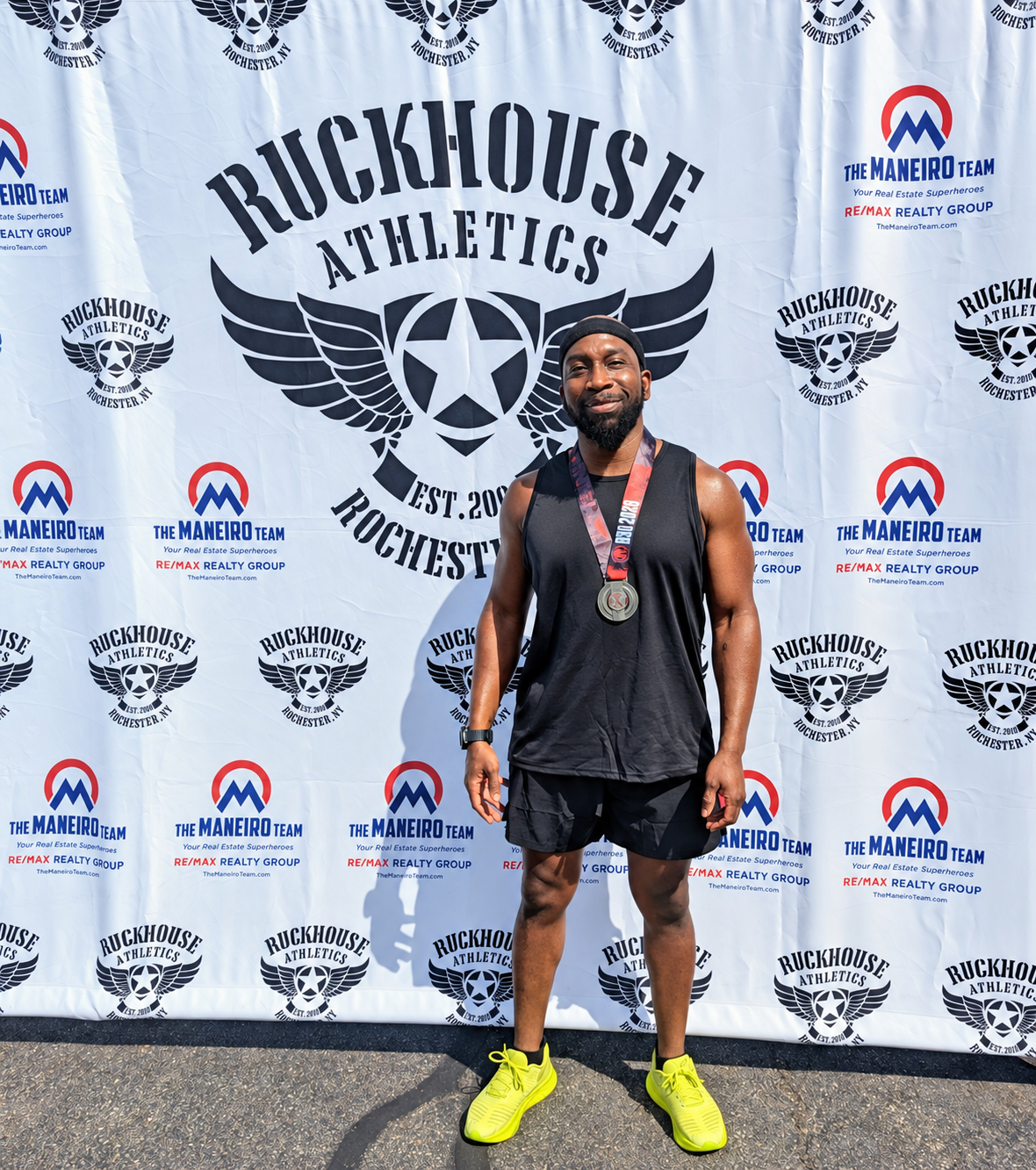
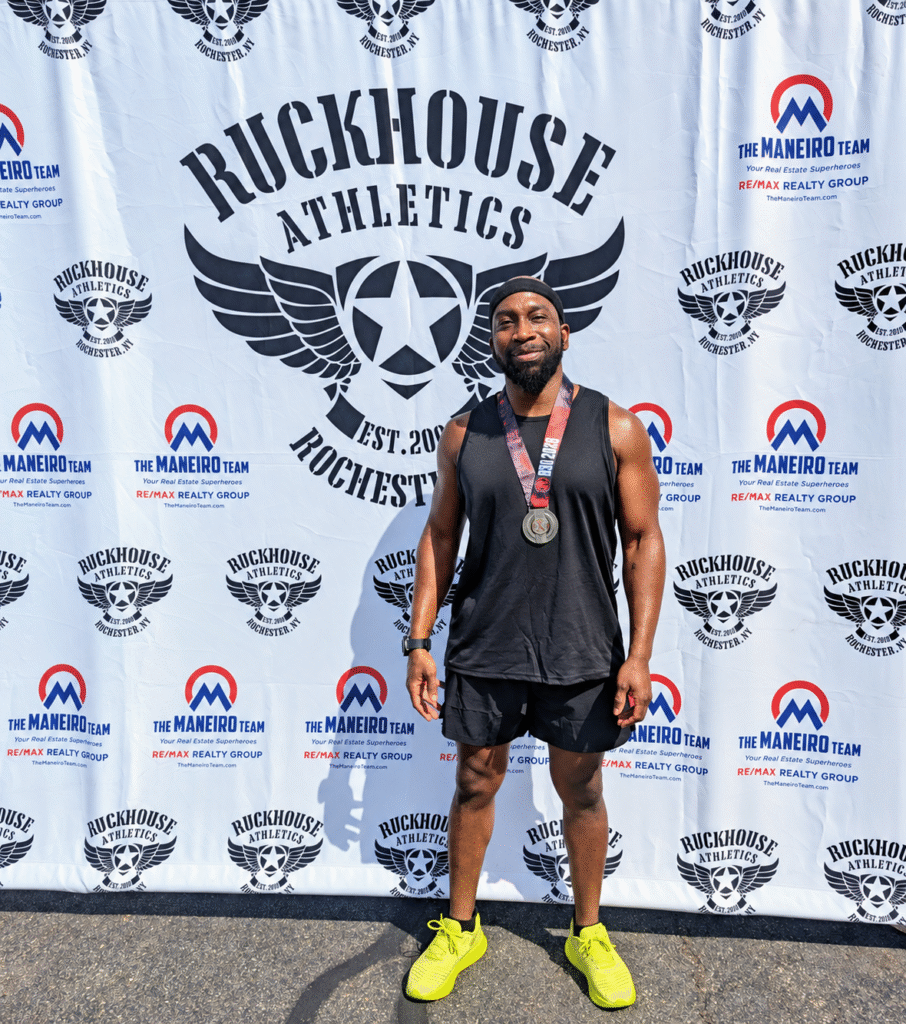
On September 12th, I completed my first DEKA Mile at Ruckhouse Athletics, finishing in 40:28. That time now gives me a benchmark for whatever comes next, but looking back, the number is only one small part of what the experience meant. The real story started more than four months earlier, at the beginning of May, when I began training for DEKA FIT New York.
At that point, my workouts were DEKA-inspired rather than true simulations. I was incorporating 300-meter runs, rows and SkiErg intervals along with walking lunges, burpees and makeshift sled work. As the weeks progressed, those distances increased and the workouts became more demanding.
By late May, 500-meter runs had become a regular part of my training. Some were faster than others. On stronger days, I could move more quickly than my average pace. On other days, the same distance felt surprisingly difficult. That inconsistency ended up teaching me one of the most important lessons of the entire process.
Progress Doesn’t Always Look Like Progress
It is easy to assume that getting fitter should mean every workout gets faster or easier. My DEKA training rarely worked that way.
There were sessions when my pace slowed as the rounds progressed and others when movements that had felt difficult only a few weeks earlier suddenly seemed much more manageable. Some days gave me clear evidence that I was improving. Others left me wondering whether I was making progress at all.
The bigger picture told a different story. When I compared what I could handle in June with what I was doing in early May, the improvement was obvious. I was running farther, handling more volume and recovering better between efforts. Rowing and the SkiErg were becoming strengths, while heavier lunges and carries gradually became more familiar.
The lesson was simple: one slow workout does not erase weeks of progress.
Training Started to Feel Like DEKA
By late June and early July, I had moved into DEKA FIT simulators. Instead of performing individual exercises in isolation, I was learning how each station affected the next one. That was a major shift.
Running after rowing felt different than running fresh. A movement that seemed manageable on its own could become much harder after several previous stations. The simulators forced me to think more about pacing and energy management rather than simply completing each exercise as quickly as possible.
I was also attending HYROX classes at Solace, where I finally had the opportunity to work with an actual sled. I only used it a couple of times, and I never felt like that was enough practice. That feeling stayed with me throughout my preparation. I was getting stronger and better conditioned, but there were still parts of the competition that I could not fully reproduce in training.
Then, on July 22nd, DEKA FIT New York was canceled. After nearly three months of preparing for one specific event, the finish line I had been working toward suddenly disappeared.
Changing the Goal
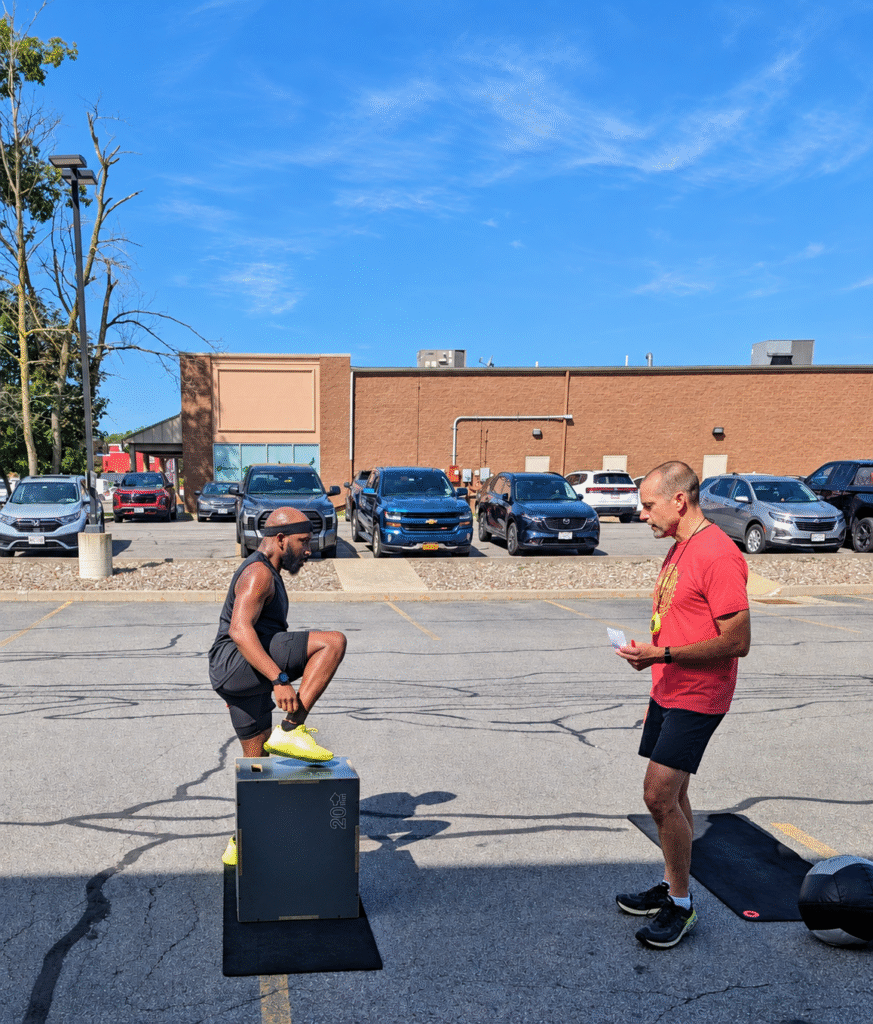
I could have treated the cancellation as the end of the project, but I still wanted somewhere to test the work I had already put in. That eventually led me to the DEKA Mile at Ruckhouse Athletics.
My training had originally been built around DEKA FIT, so I had to adjust my preparation for the Mile. The foundation was already there, but the structure was different. My workouts became more specific to the running and station format I would face in Rochester.
An at-home simulation gave me a rough estimate somewhere in the high-40-minute range, but plenty of questions remained. I still did not know exactly how the sled would feel in competition. I wondered about the farmer’s carry and shoulder-overs. Most of all, I wondered whether I had done enough.
After months of preparation, I never reached a point where I felt completely ready. I would eventually realize that feeling ready and being prepared are not necessarily the same thing.
What Race Day Actually Taught Me
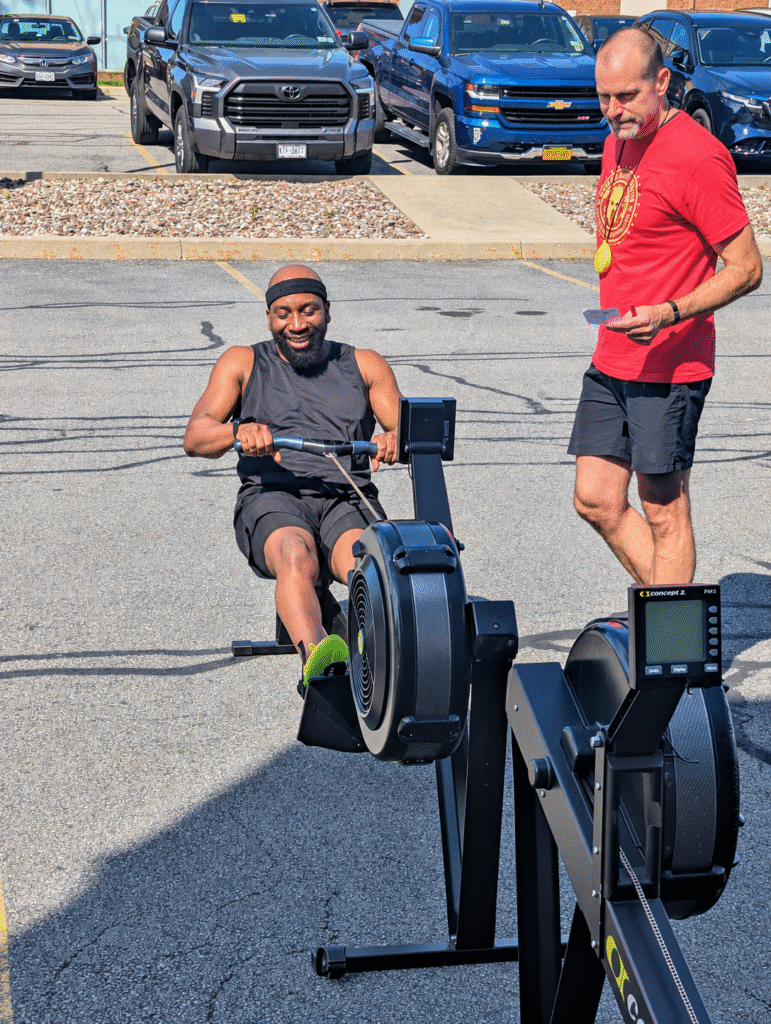
Ruckhouse immediately felt welcoming. My wave came later in the day, when fewer competitors were around, which gave the experience a smaller and more personal atmosphere.
Once the event started, some of my expectations proved accurate while others were completely wrong. The row and SkiErg felt strong, which made sense given how much time I had spent training them. The sled, however, surprised me. Despite worrying that I had not practiced it enough, it felt lighter and more manageable than I expected. The farmer’s carry was the opposite. It felt heavier than anticipated, and the shoulder-overs were significantly tougher than I had imagined.
That may be one of the most useful things competition can provide. Training allows you to prepare, but the actual event shows you what your assumptions got right and where they were completely off. I kept moving through the runs and all ten zones until I crossed the finish line in 40:28. Almost immediately, I knew I wanted to do it again.
More Than a Finishing Time
The biggest surprise wasn’t my time or even how the stations felt. It was how comfortable I felt within the environment. The people at Ruckhouse were welcoming, and somewhere during the experience, I realized that this kind of training and competition felt right to me. I didn’t feel like someone visiting a sport from the outside.
I felt like I belonged there.
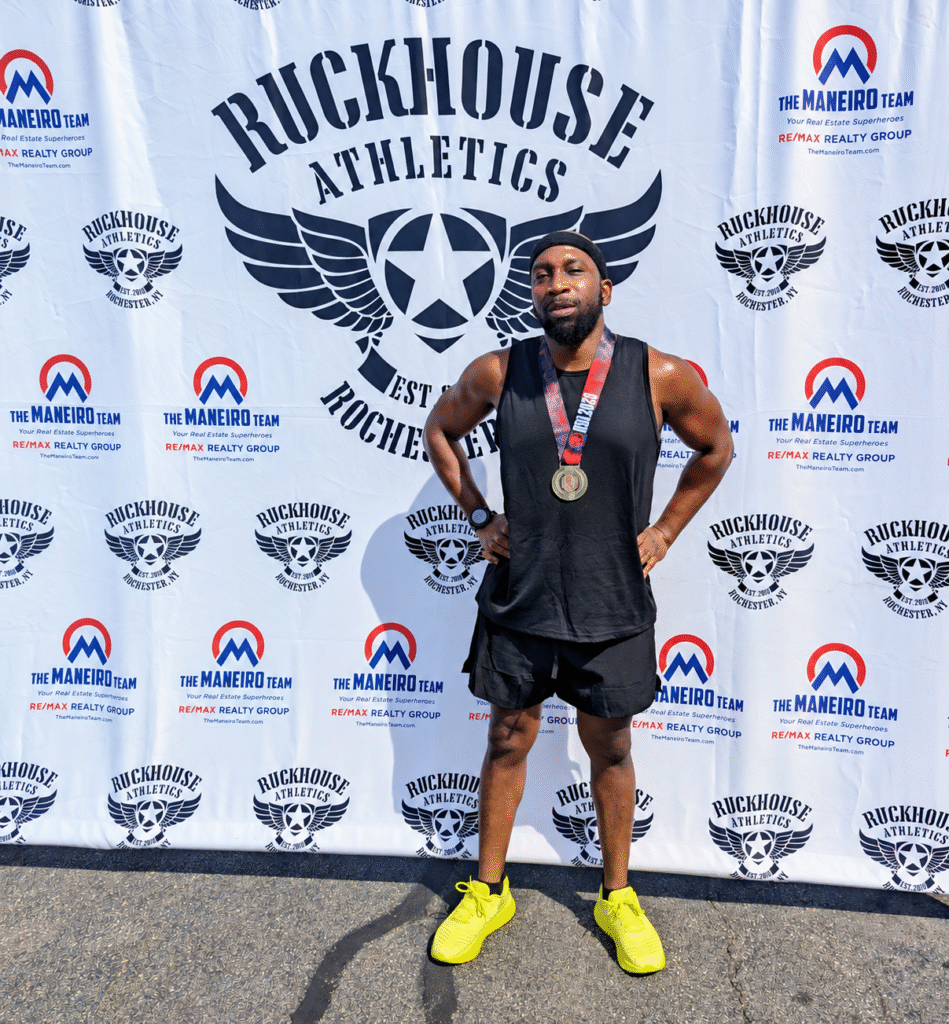
That realization carried extra weight because of everything that came before it. More than three years ago, I underwent quadruple bypass surgery. Since then, I have thought a lot about what rebuilding means. We often talk about self-improvement in terms of what we need to add: more strength, more confidence, more discipline or better habits.
But sometimes rebuilding is also about what you leave behind.
The version of me who could have been talked out of trying something difficult never fully came back from that experience. Looking back at my DEKA Mile training, I never reached some perfect moment when every doubt disappeared. I had fast workouts and slow ones. The original competition was canceled. My plans changed. Certain stations surprised me.
I showed up anyway.
Maybe preparation is not supposed to remove every uncertainty before you start. Maybe it simply gives you enough of a foundation to step onto the floor, find out what happens and discover that you belong there.
Keep Showing Up
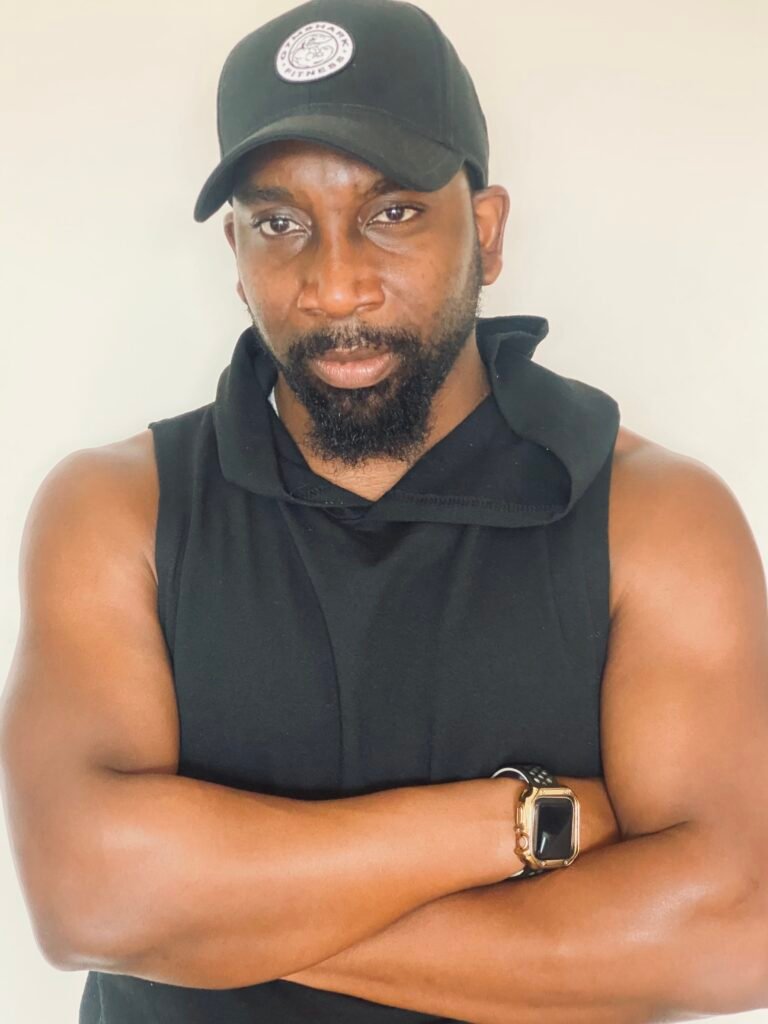
You don’t have to feel completely ready before you try something difficult. Training can prepare you, but there will always be things you can’t predict until you actually step onto the floor. Pay attention to what your body can do now that it couldn’t do a few months ago. Progress might show up as a faster pace, a heavier carry, better recovery or simply the confidence to attempt something that once felt out of reach.
For me, that progress eventually led to a DEKA Mile finish line. Yours might look completely different.
For realistic fitness and wellness guidance, follow @ConditionedLiving, join the mailing list, and download the free guide, A Sustainable Start. For training questions, email Carlos@ConditionedLiving.com.





Leave a Reply