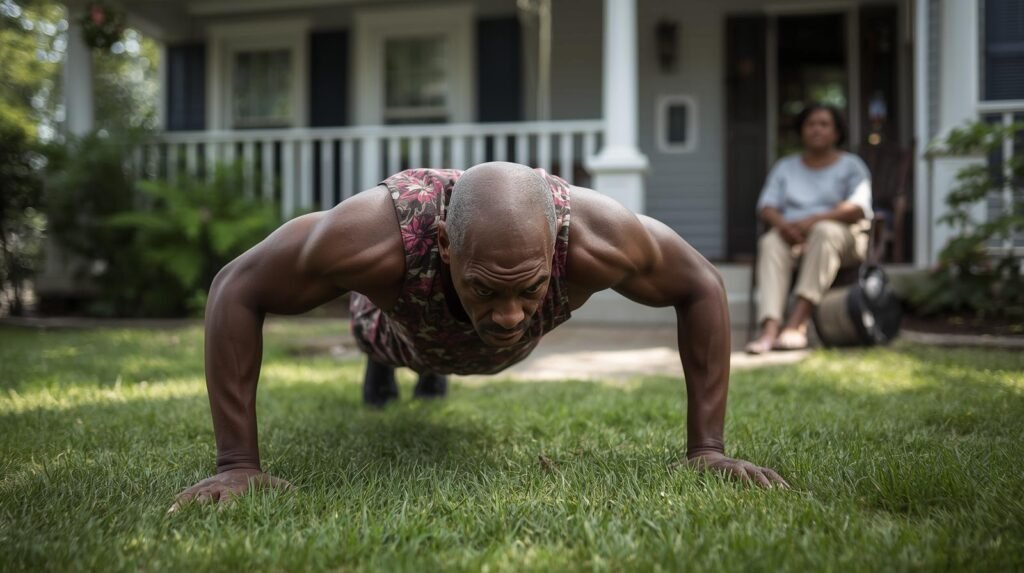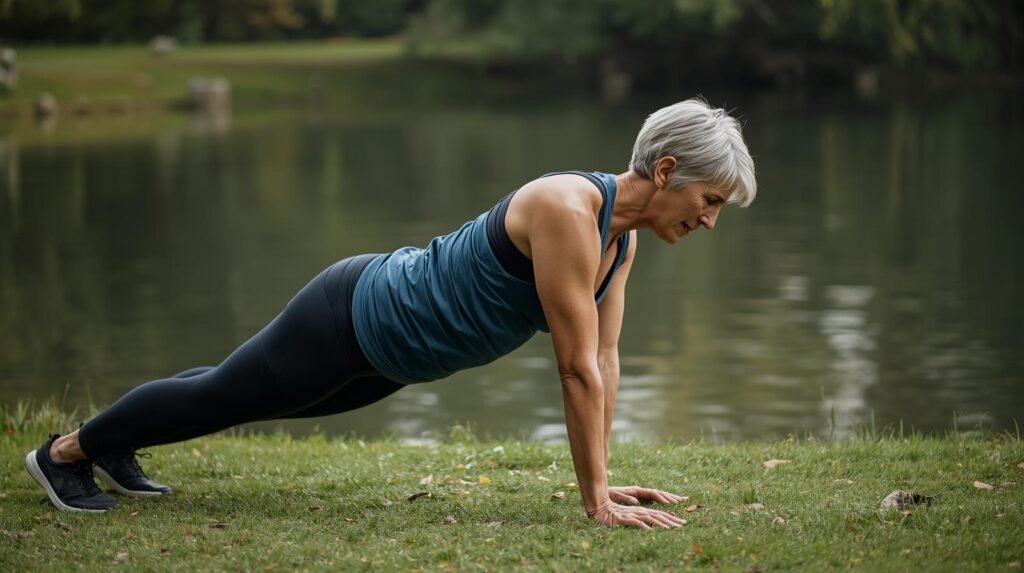

It usually starts small. You stand up after sitting for a while and feel stiff. Your back tightens up. Your knees crack going up the stairs. Workouts feel heavier than they should. Recovery takes longer.
At some point, the thought creeps in:
“Am I just getting old?”
Here’s the truth most people don’t hear enough:
You’re probably not feeling old because of your age.
You’re feeling old because of how your body is being used… or not used.
It’s Not Age, It’s Movement (or Lack of It)
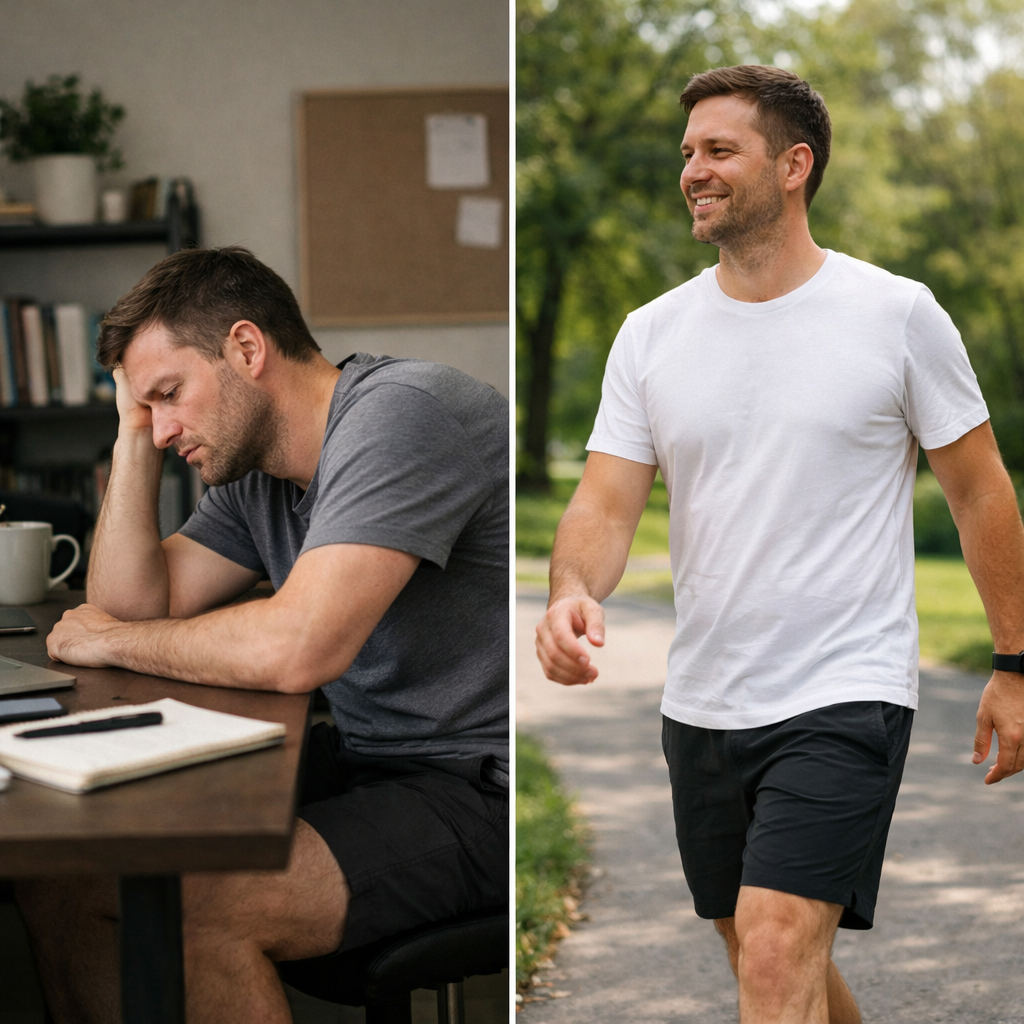
Your body doesn’t suddenly decline overnight. What actually happens is much quieter. Small habits stack up. Things like:
- Less movement
- More sitting
- Repetitive workouts
- Skipping warm-ups
- Ignoring mobility
Your body could also adapt to these patterns and this could lead to:
- Tight hips.
- Stiff joints.
- Limited range of motion
- Muscles that don’t fire the way they should
That “old” feeling? It’s not time catching up to you. It’s your body responding to how it’s being trained and how it’s being neglected.
Low Sitting Too Much Makes Your Body Feel Stiff and Tight
For most people, a large part of the day is spent sitting. At a desk. In the car. On the couch. Looking down at a phone. The problem isn’t just the sitting itself. It’s how long you stay there.

Your body adapts to the positions it spends the most time in. When you sit for hours at a time, your hips stay in a shortened position, your hamstrings gradually lose length, and your upper back begins to round forward. Blood flow slows, and your body settles into that posture as its default.
Then, when you finally stand up, move, or try to train, everything feels tight and restricted.
It can feel like something is wrong, like your body is breaking down; but it’s not. Your body is simply doing what it’s designed to do, adapting to what you repeatedly ask of it. The issue is that most of what you’re asking it to do is… not much movement at all.
Unbalanced Workouts Are Wearing You Down
One of the biggest misconceptions is that as long as you’re working out, you’re doing things right. That’s not always true. A lot of people are active, but their training lacks balance.
Some people focus only on lifting. They build strength, but slowly lose mobility and fluidity. Others rely heavily on running or cardio, placing the same repetitive stress on their joints without building the strength needed to support it.
Then there’s the in-between group, the ones who rush into workouts without warming up, skip mobility work, and move quickly through exercises without paying attention to how they’re actually moving.

None of this feels like a problem in the moment. In fact, it can feel productive. Over time it creates a body that’s constantly working, yet never fully supported.
That’s where the “worn down” feeling starts to show up.
You’re not doing nothing. You’re just not doing the right mix of things to support how your body is supposed to move and this is where a lot of people get tripped up.
They assume that effort automatically equals progress, when in reality, it depends on how that effort is structured. That’s exactly the difference between actually building strength and just going through the motions, something I broke down more in Are You Actually Building Strength or Just Exercising?.
Stress, Sleep, and Recovery Are Part of the Problem
What happens outside the gym matters just as much as what happens inside it.
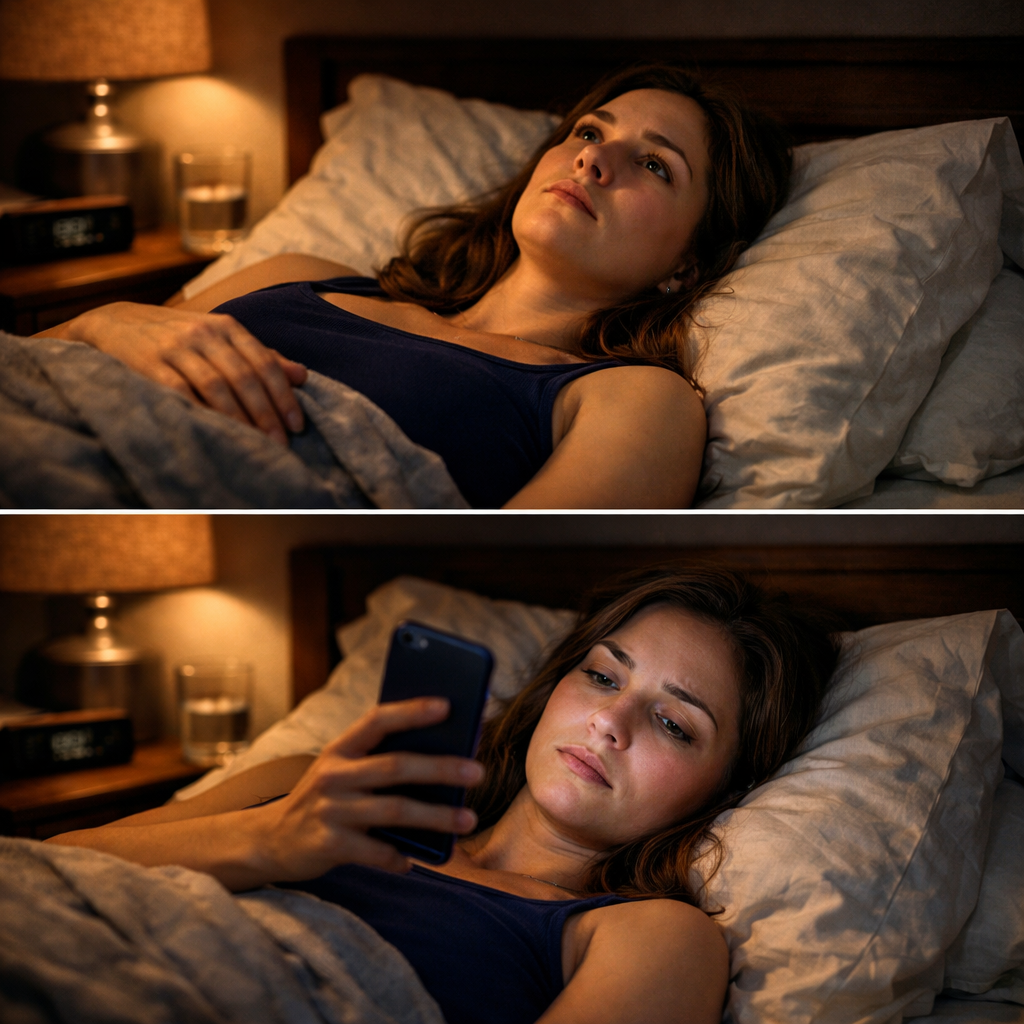
You can have a well-structured workout routine, but if your recovery is off, your body will still feel it.
Poor sleep limits your ability to recover. Stress keeps your body in a constant state of tension. Muscles stay tight longer. Energy levels drop. Focus fades.
Instead of resetting each day, your body carries fatigue forward. One tough day turns into two. Two turns into a week. A week turns into a baseline. That’s when everything starts to feel heavier than it should, not just workouts, but everyday movement.
This isn’t always obvious while it’s happening, but the accumulation is real. And over time, it contributes just as much to that “older” feeling as anything physical.
Feeling Stiff Every Day Isn’t Normal, It’s Just Common
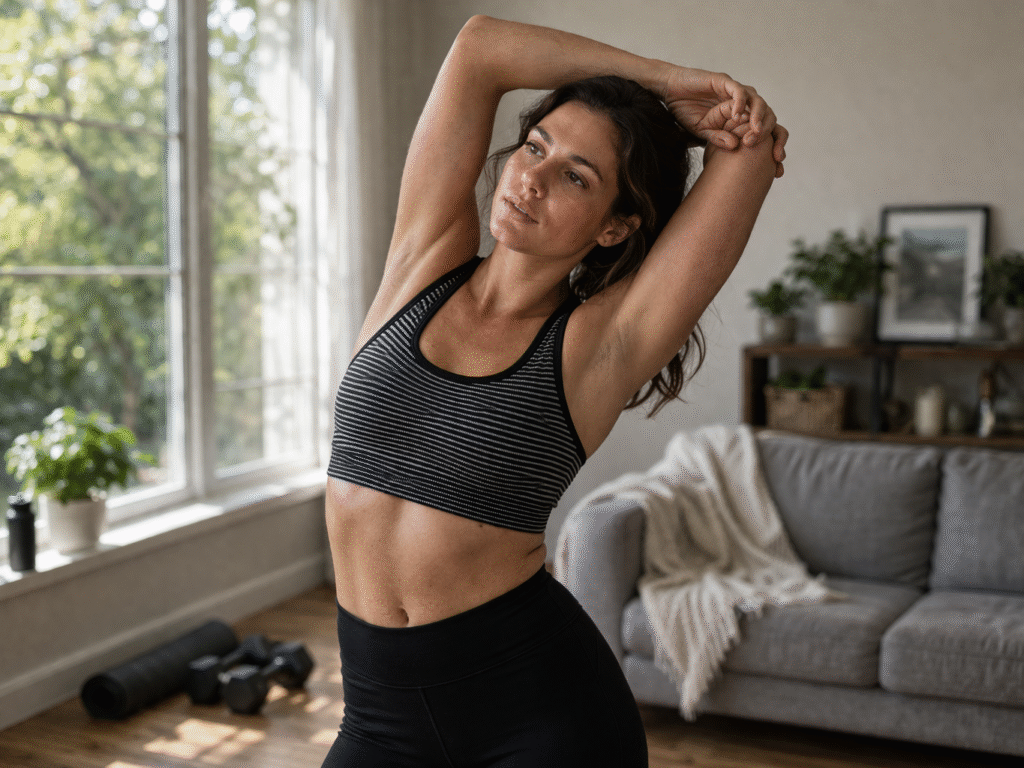
This is where a lot of people settle without realizing it. They accept the stiffness, the soreness, the constant tightness and they assume it’s just part of getting older; it’s not. It’s common, but that doesn’t make it normal. Your body is built to move, adapt, and feel capable. It’s designed to handle a wide range of motion, recover from effort, and respond positively to the right kind of training.
If you constantly feel limited, tight, or worn down, it’s not something you have to live with. It’s a signal. Something in your routine, your movement patterns, or your recovery needs to change. The good news is, those things are within your control.
How to Feel Stronger, Looser, and More Capable Again
You don’t need a complete overhaul. You need better inputs.
Start simple:
• Move more throughout the day
Break up long periods of sitting. Walk. Stand. Shift positions often.
• Warm up before you train
5–10 minutes can make a major difference in how your body performs and feels.
• Train through full range of motion
Controlled, complete reps help restore mobility while building strength.
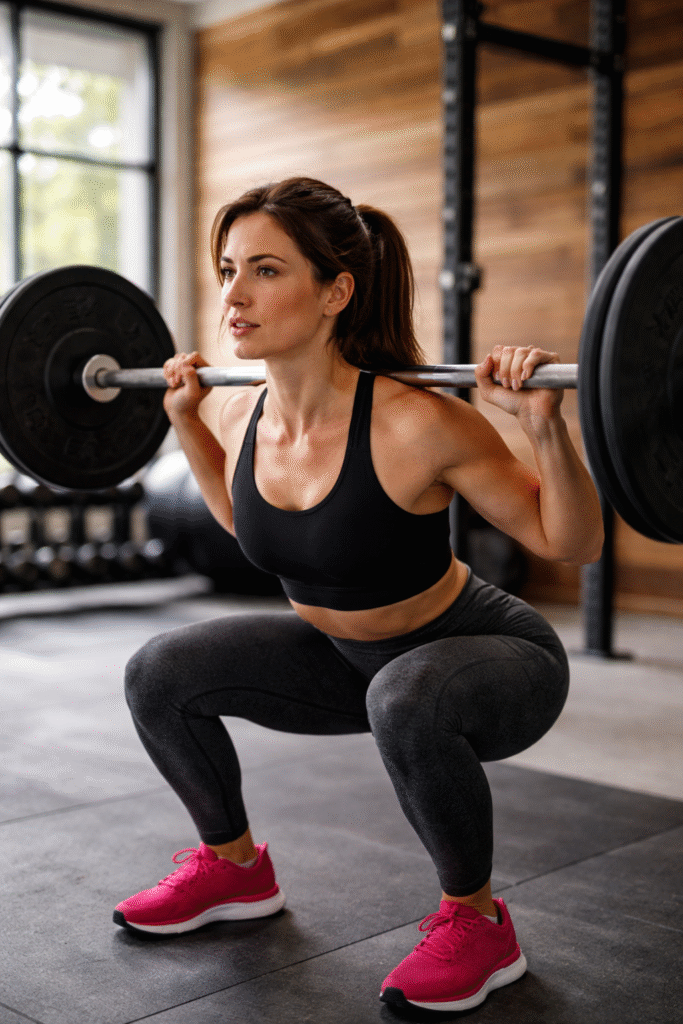
• Add basic mobility work
Focus on hips, hamstrings, and shoulders. It doesn’t need to be long to be effective.
• Balance your training
Strength, conditioning, and mobility should all be part of your routine.
If your progress feels slow or invisible, that’s often part of the process, not a sign that something is wrong. It usually means your body is adapting in ways you can’t fully see yet, which is something I break down more in Why Fitness Progress Feels Invisible at First (And What’s Actually Happening).
Interested in Training with Me or Just Want to Connect?
Send a DM to @Litoswaay, or email Carlos@ConditionedLiving.com; I’d love to hear from you!
Follow @ConditionedLiving for reflections, tips, and updates on mindset, strength, and everyday wellness.
Stay in the loop by joining my free mailing list for updates and inspiration.
Additionally, download the free guide/e-book “A Sustainable Start” to begin your journey toward sustainable strength and wellness, with a focus on consistency and balance.
Conditioned Living is about realistic fitness and training advice. Real progress takes time; stay consistent.