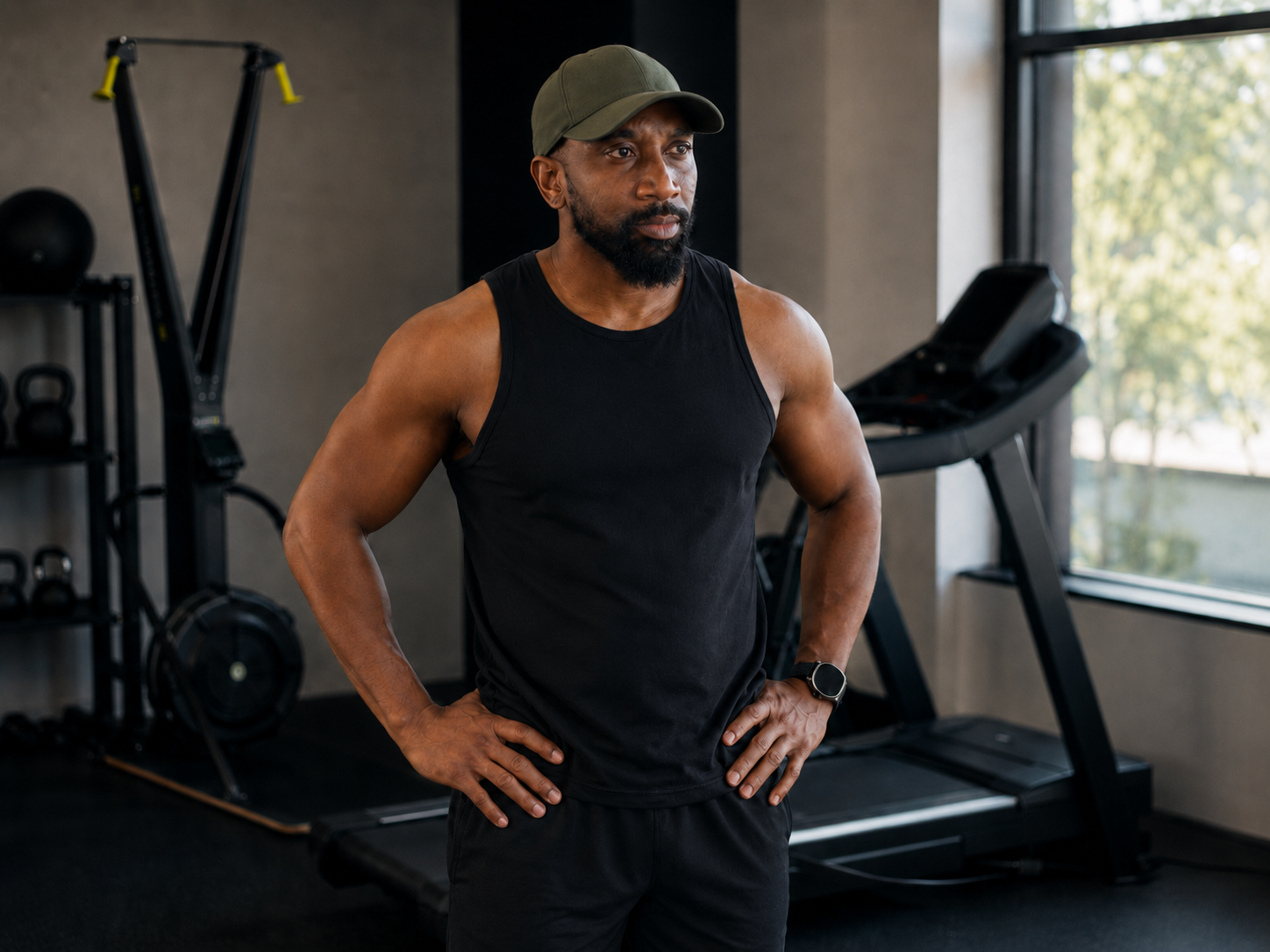
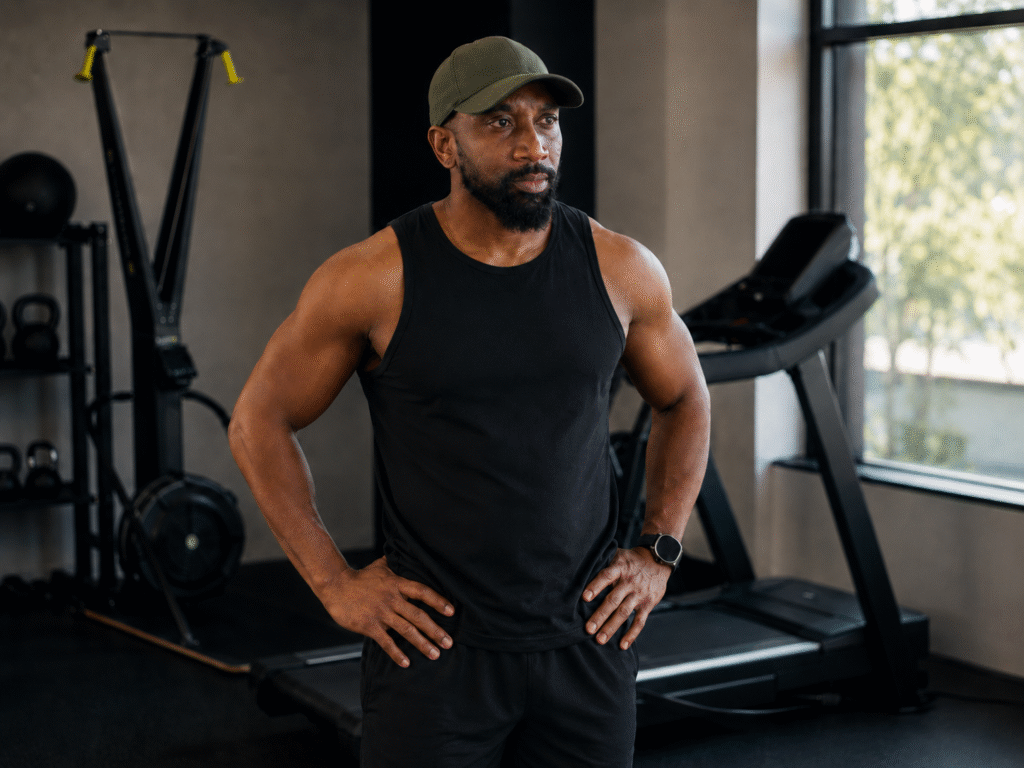
Hybrid training is getting more attention right now, especially with events like DEKA and HYROX pushing people to think beyond only lifting weights or only doing cardio. This September, I’ll be competing in the New York DEKA FIT, and I started training for the competition about a month and a half ago. For me, DEKA training after heart surgery feels more personal than trendy.
After heart surgery, fitness changed. It became less about chasing a certain look and more about rebuilding trust in my body. Strength and conditioning gave me a way to do that. Now, DEKA training is giving me a way to test it.
This is not just about finishing a fitness race. It is about seeing how my strength, cardio, pacing, recovery, and heart health work together under real pressure.
How Heart Surgery Changed My Relationship With Fitness
I already understood fitness through the lens of training, movement, and performance. As a trainer, I know how important strength, conditioning, consistency, and recovery are, but going through heart surgery made fitness feel different. It made health personal in a way that theory never could.
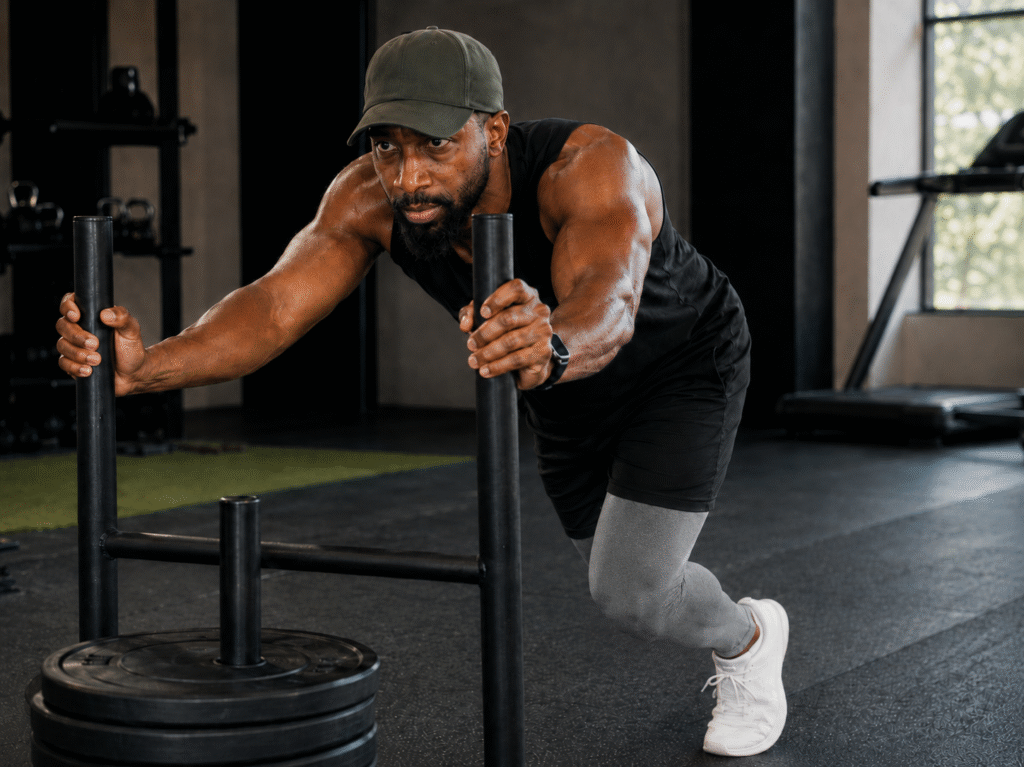
Training became more than exercise. It became part of how I rebuilt confidence in my body. Every strength session and every controlled conditioning workout became a reminder that progress does not always have to be loud. Sometimes progress is simply showing up, breathing well, moving better, and trusting your body a little more than you did before. These are just a few of the many reasons strength and conditioning became such a major part of my life.
Why Strength and Conditioning Became My Foundation
Strength and cardio are often treated like separate goals. Some people lift but avoid conditioning. Others focus on cardio and never build the strength their body needs. I have always believed the two belong together.
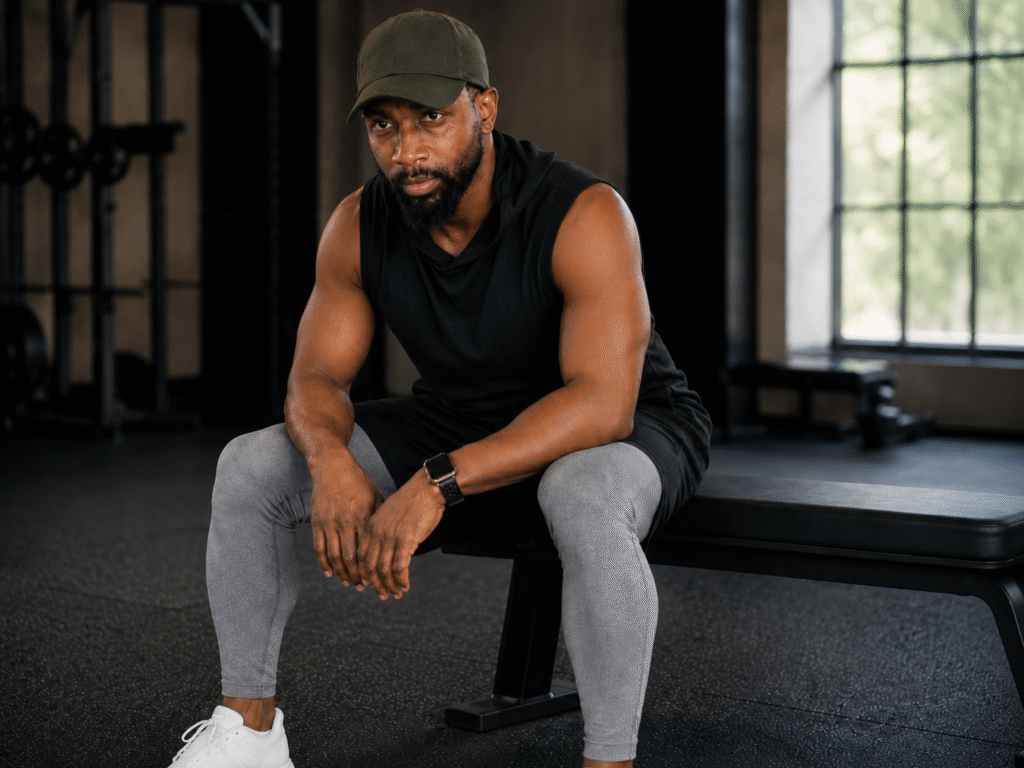
Strength training helps build muscle, stability, control, and resilience. Conditioning helps improve endurance, pacing, breathing, and recovery. When they work together, they create a body that is not just stronger in the gym but more capable in everyday life.
I wrote about the difference between simply exercising and actually building strength in Are You Actually Building Strength or Just Exercising?. Movement matters, but structure matters too. The goal is not just to feel tired. The goal is to become more capable. DEKA fits directly into that philosophy.
What DEKA Training Tests
DEKA is not just one kind of fitness. It challenges several systems at once. You have running, rowing, SkiErg work, sled pushes, lunges, burpees, med ball sit-ups, and other stations that require your body to keep working while fatigue builds. That is what makes it interesting to me.
DEKA does not let you hide behind one strength. Being strong helps, but strength alone is not enough. Having cardio helps, but cardio alone won’t get it done. You need pacing. You need control. You need to know when to push and when to stay steady.
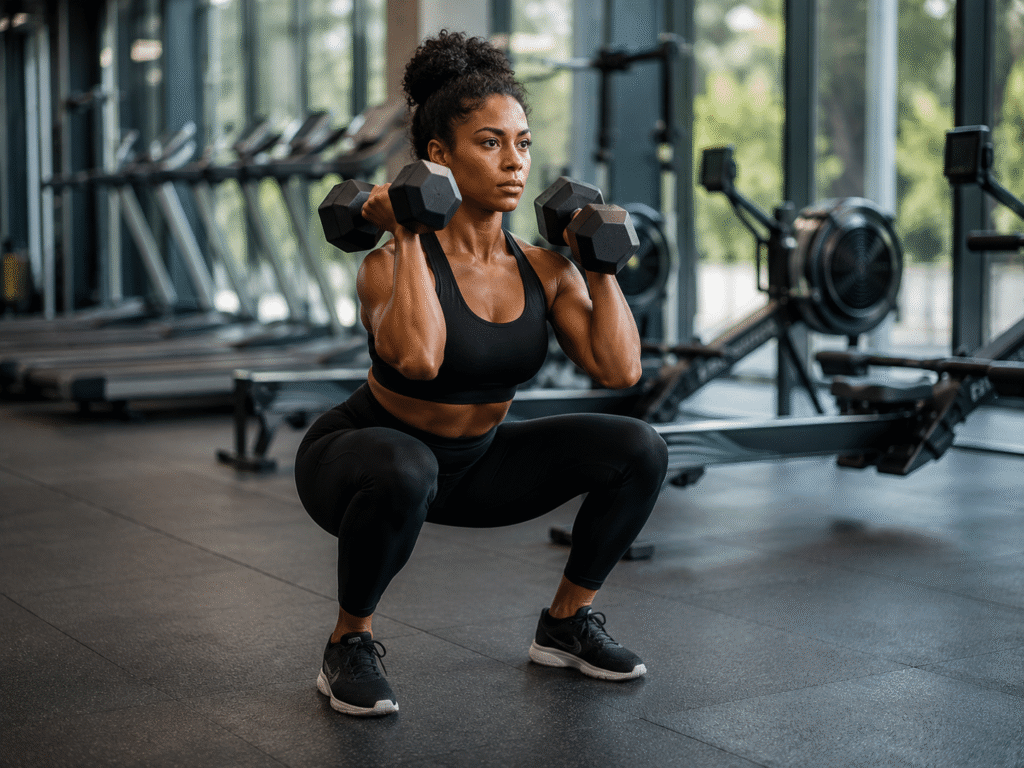
In my own training, I recently made it to the 500-meter standards for running, rowing, and SkiErg work. That has been a meaningful checkpoint because those distances are part of what make DEKA training feel so specific. It is not just about doing random conditioning. It is about preparing my body to repeat effort, recover, and stay controlled from one station to the next. That honesty is part of the test.
Why DEKA Is Also Personal Heart Health Training

DEKA is not a medical test. It does not replace checkups, cardiology visits, or professional medical guidance. For me, it’s a personal test of how far my heart, body, and conditioning have come.
After heart surgery, effort felt different. Not because I am afraid of it, but because I respect it more. I pay attention to pacing, breathing, fatigue, recovery, and how my body responds.
That is where strength-aware conditioning becomes important. I do not believe conditioning should destroy your strength or leave you feeling wrecked all the time. It should support your ability to train, recover, and keep improving. I explored that idea more in Strength-Aware Conditioning: How to Improve Cardio Without Losing Strength.
DEKA gives me a structured way to apply those principles in real life.
What Everyday Fitness Can Learn From DEKA Training
Most people do not need to compete in DEKA to benefit from hybrid fitness. You do not need sleds, race stations, or a competition date to train with more purpose.
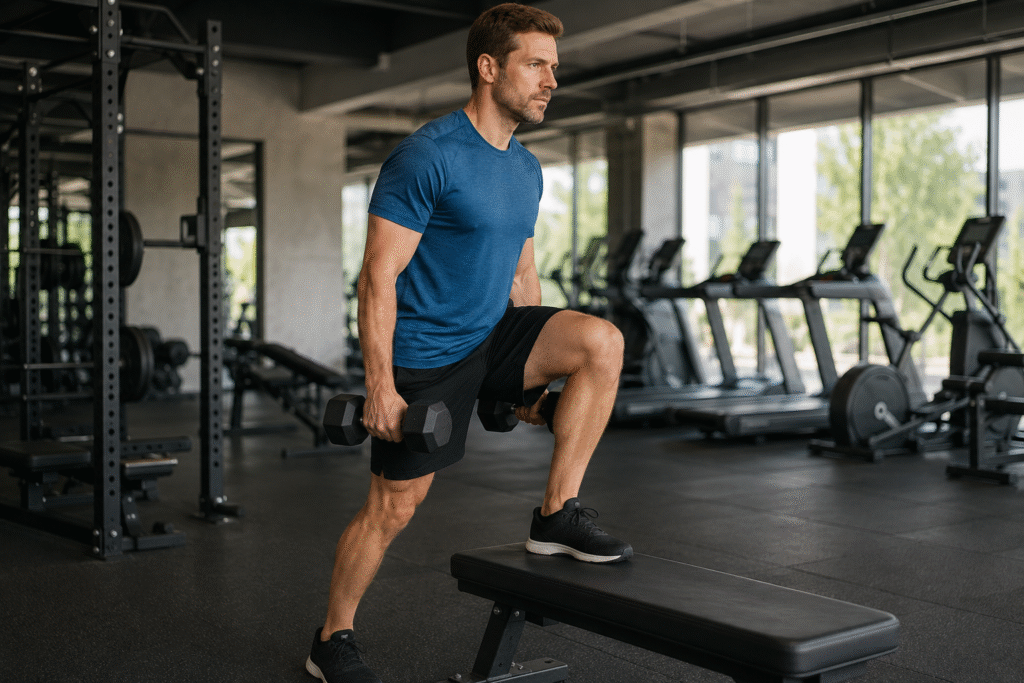
You can start by combining simple strength movements with controlled cardio. That might mean pairing a brisk walk with squats, step-ups, rows, carries, or incline push-ups. It might mean adding short intervals to your workouts instead of doing everything at one speed. It might mean learning how to breathe, pace yourself, and recover between efforts.
The point is not to make every workout harder. The point is to make your body more prepared. That is what real fitness should do.
The Real Meaning of Training for DEKA After Heart Surgery
DEKA is more than a fitness challenge for me. It is a performance goal and a personal marker. Heart surgery made fitness personal. Strength and conditioning gave me a way to rebuild. DEKA is giving me a way to test what I have been building. The goal is not just to finish an event. The goal is to honor the work it took to get here and continue building a body I can trust and love.
Interested in training with me or just want to connect?
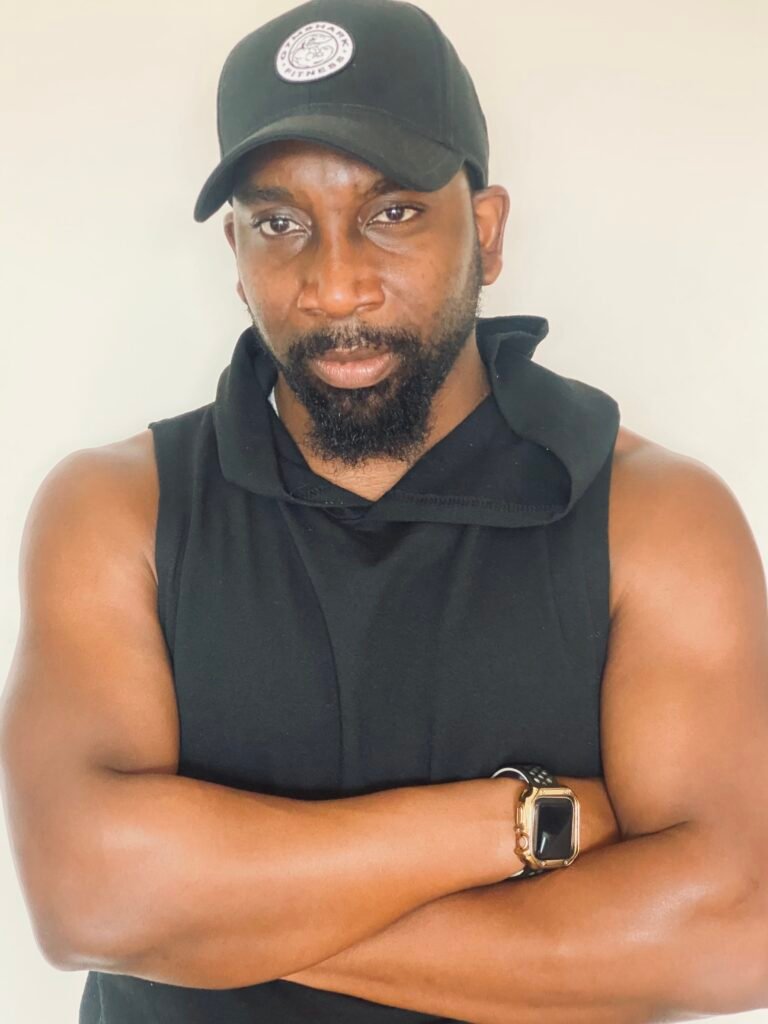
Send a DM to @Litoswaay, or email Carlos@ConditionedLiving.com. Follow @ConditionedLiving for reflections, tips, and updates on mindset, strength, and everyday wellness. You can also join my free mailing list and download A Sustainable Start to begin building sustainable strength and conditioning at your own pace.