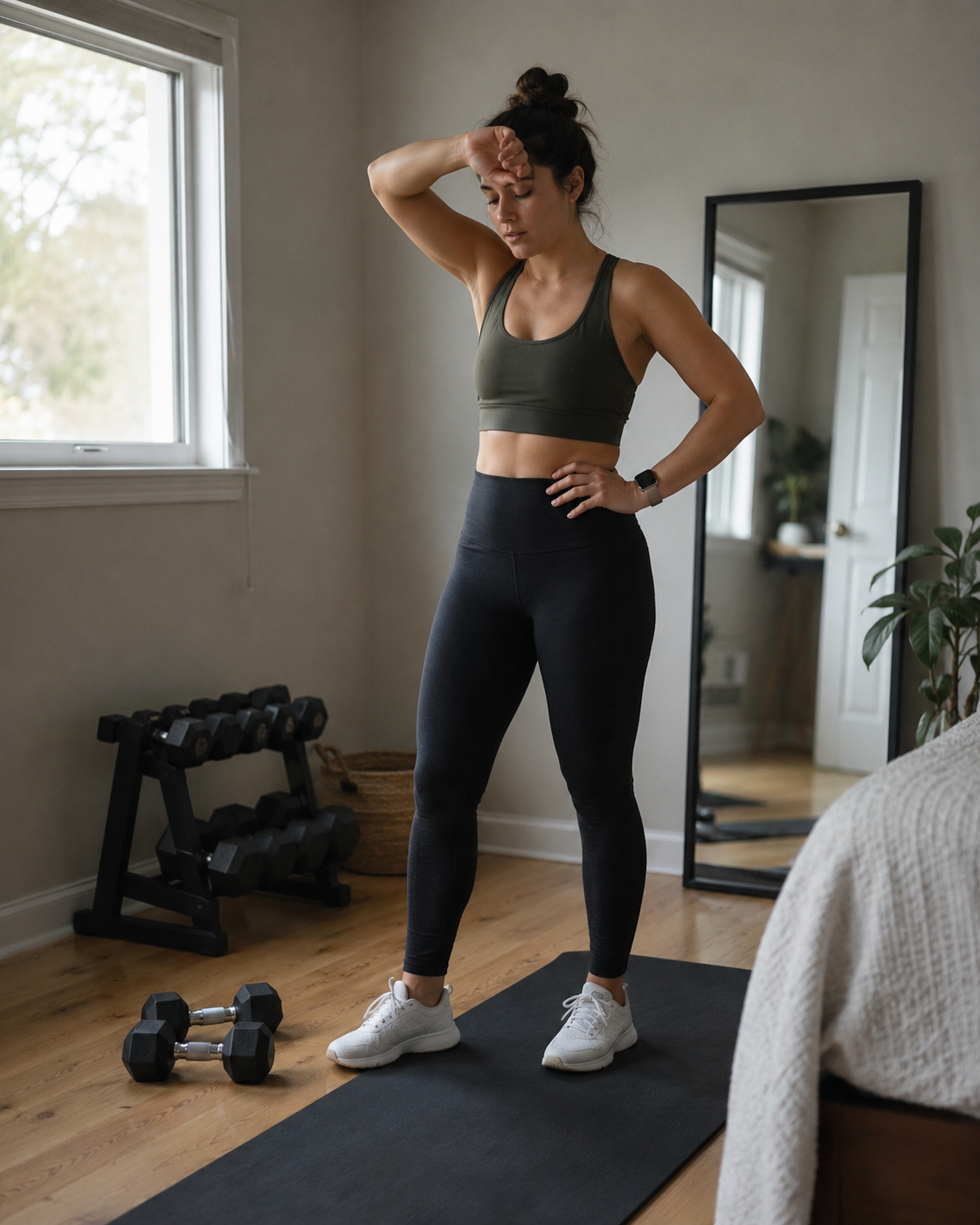
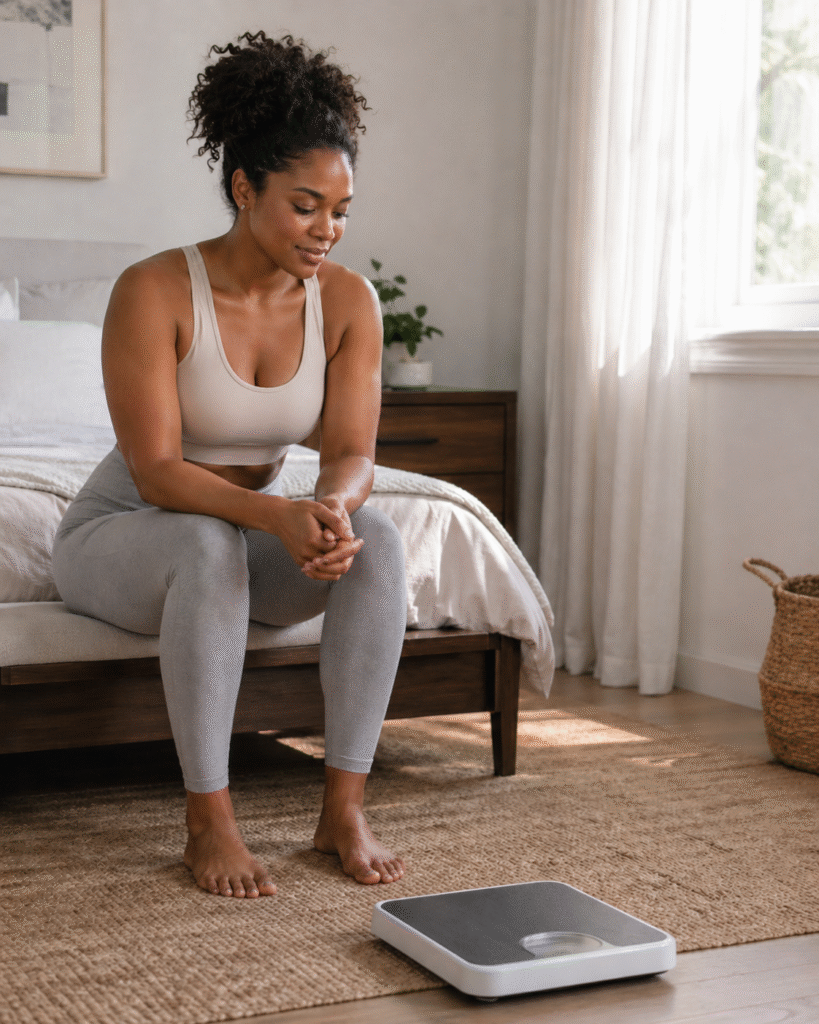
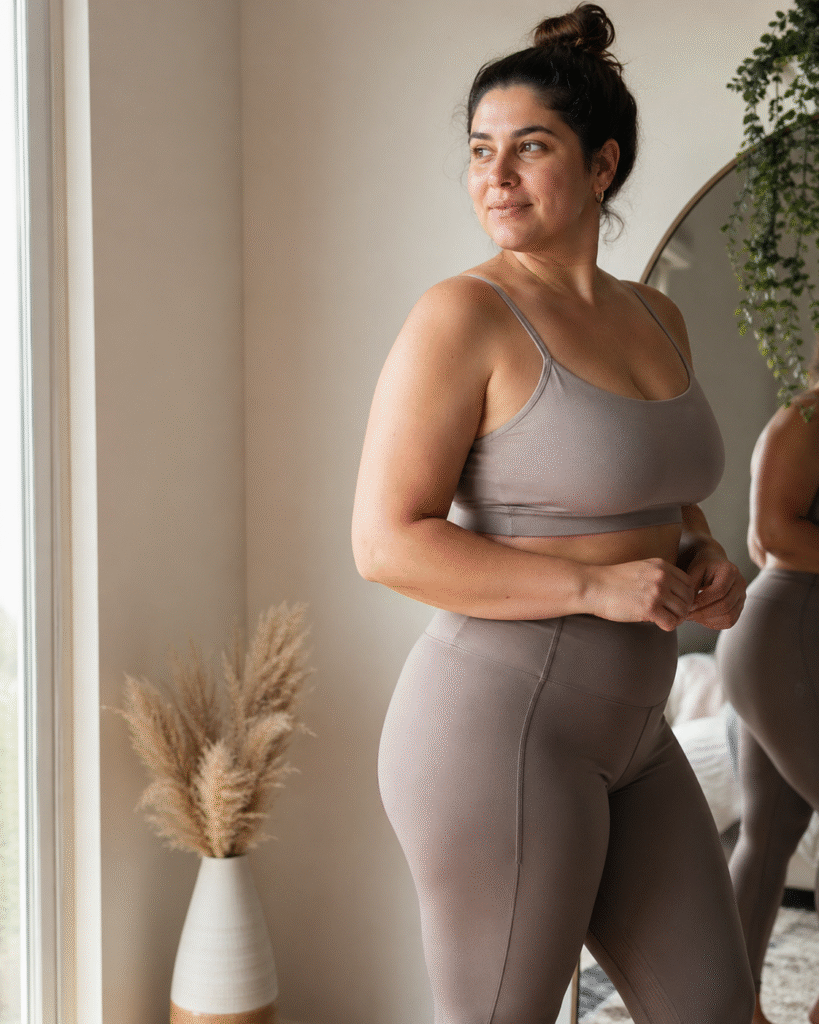
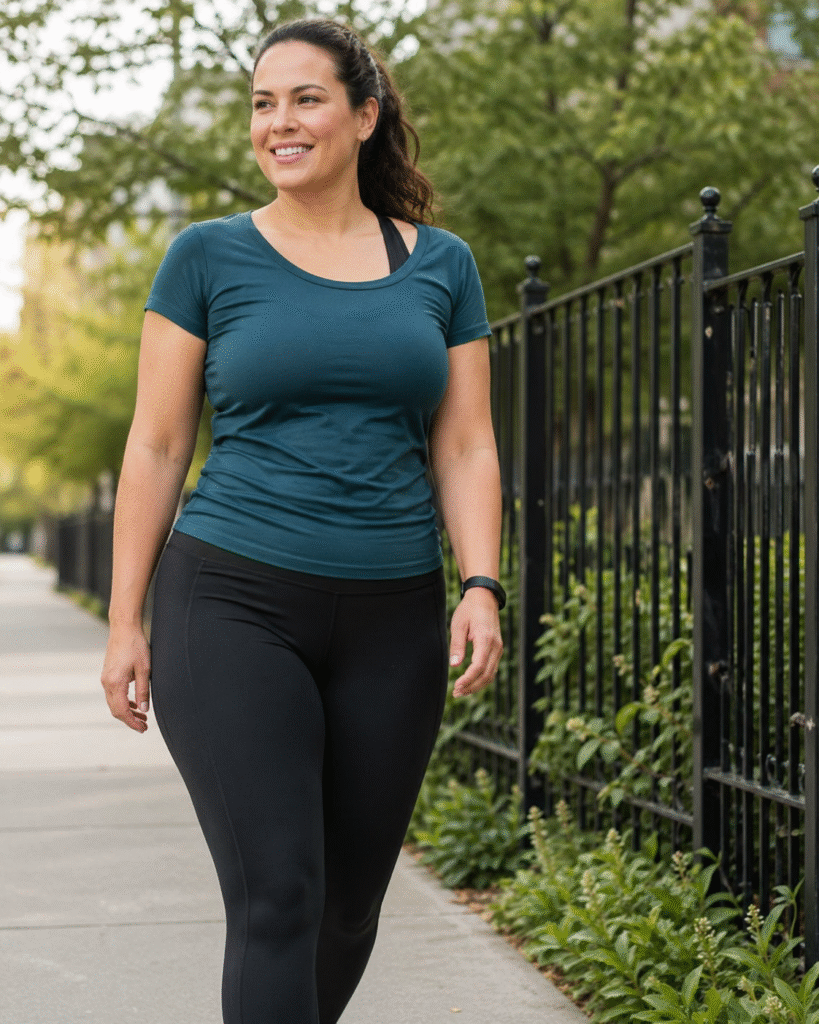
You’ve been working out consistently, making better choices, and putting in real effort. But every time you step on the scale, the number looks almost exactly the same.
Does that mean your workouts aren’t working? Not at all.
The scale only measures your total body weight. It can’t tell you if you’re getting stronger, building endurance, moving better, or changing your body composition.
If the scale isn’t giving you the feedback you hoped for, look for these seven signs that you’re getting fitter.
Why the Scale Doesn’t Tell the Whole Story
Losing weight and getting fit can happen together, but they aren’t the same thing. You can improve your strength and conditioning without immediately losing weight.
You might also be losing fat while building muscle. Meals, hydration, stress, hormones, medications, and other factors can affect your weight from one day to the next.

That’s why body weight can be misleading when it’s the only way you measure progress.
7 Signs You’re Getting Fitter
1. Your Workouts Don’t Feel Quite as Hard
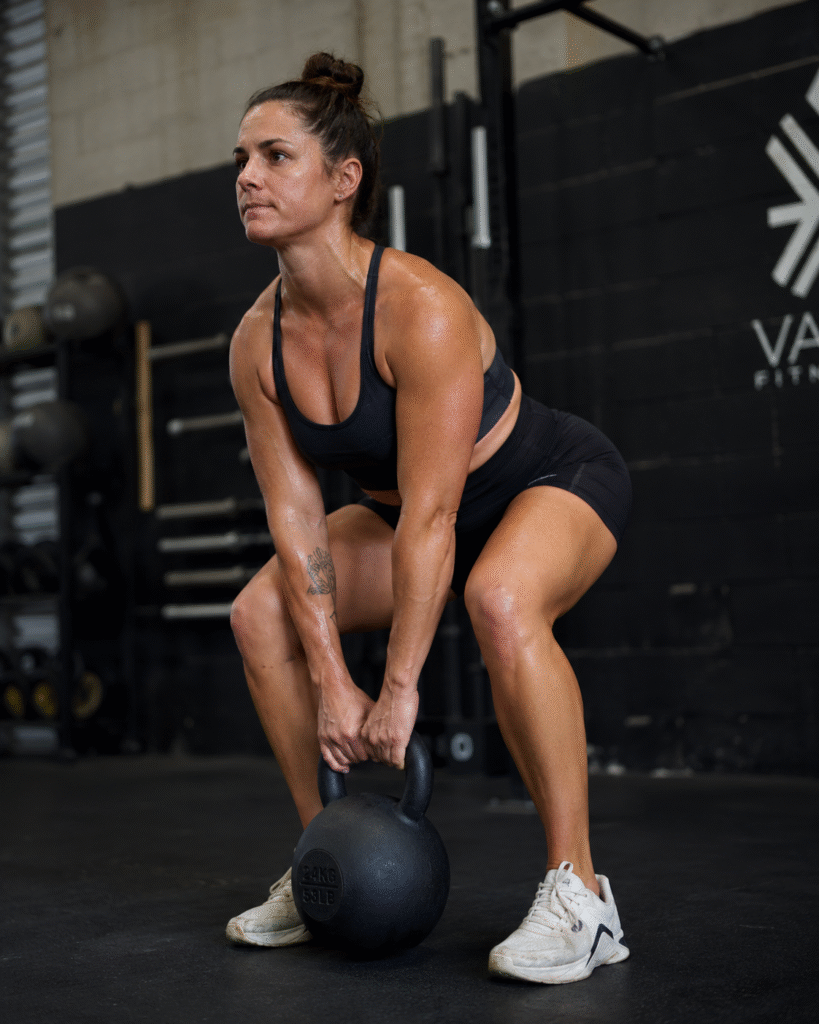
An exercise that once left you exhausted may now feel more manageable. If you can finish with better form, more control, or fewer breaks, your body is adapting.
2. You’re Getting Stronger
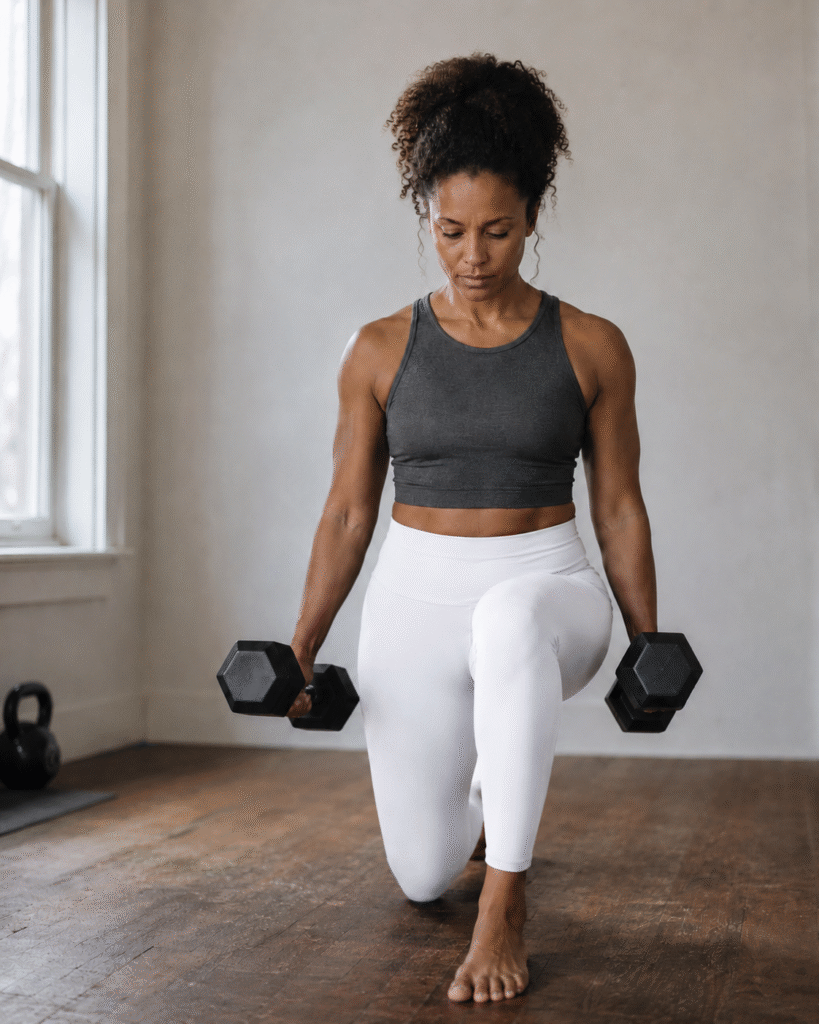
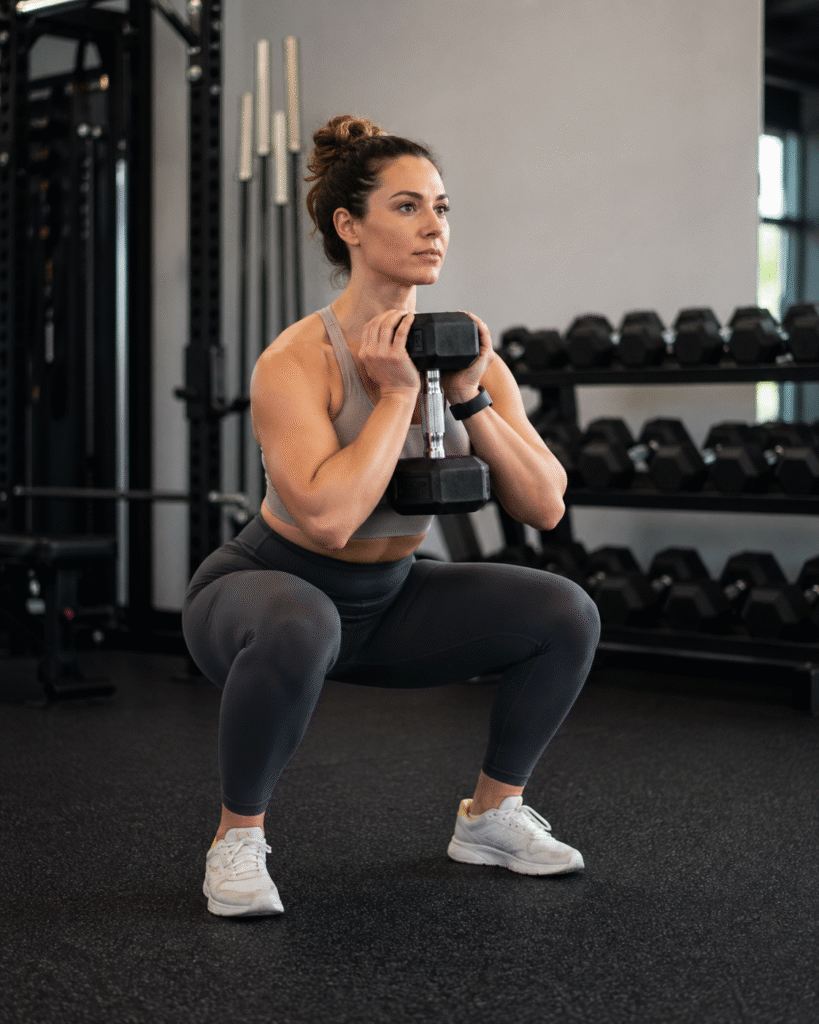
Strength isn’t only about lifting heavier weights. Completing more repetitions, holding a plank longer, or improving your technique all count as progress.

3. You Recover Faster
Notice how long it takes to catch your breath after a tough exercise. Needing less rest between sets or feeling less drained afterward can be a sign of better conditioning.
4. Everyday Tasks Feel Easier
Some of the best signs of fitness progress happen outside the gym. Walking upstairs, carrying groceries, or getting up from the floor may require less effort than before.
These changes are easy to overlook, but they show that your workouts are improving your daily life.

5. You Have More Energy
As your body adapts to regular exercise, you may notice steadier energy throughout the day. You might feel more willing to walk somewhere, take the stairs, or simply move more.
6. Your Clothes Fit Differently
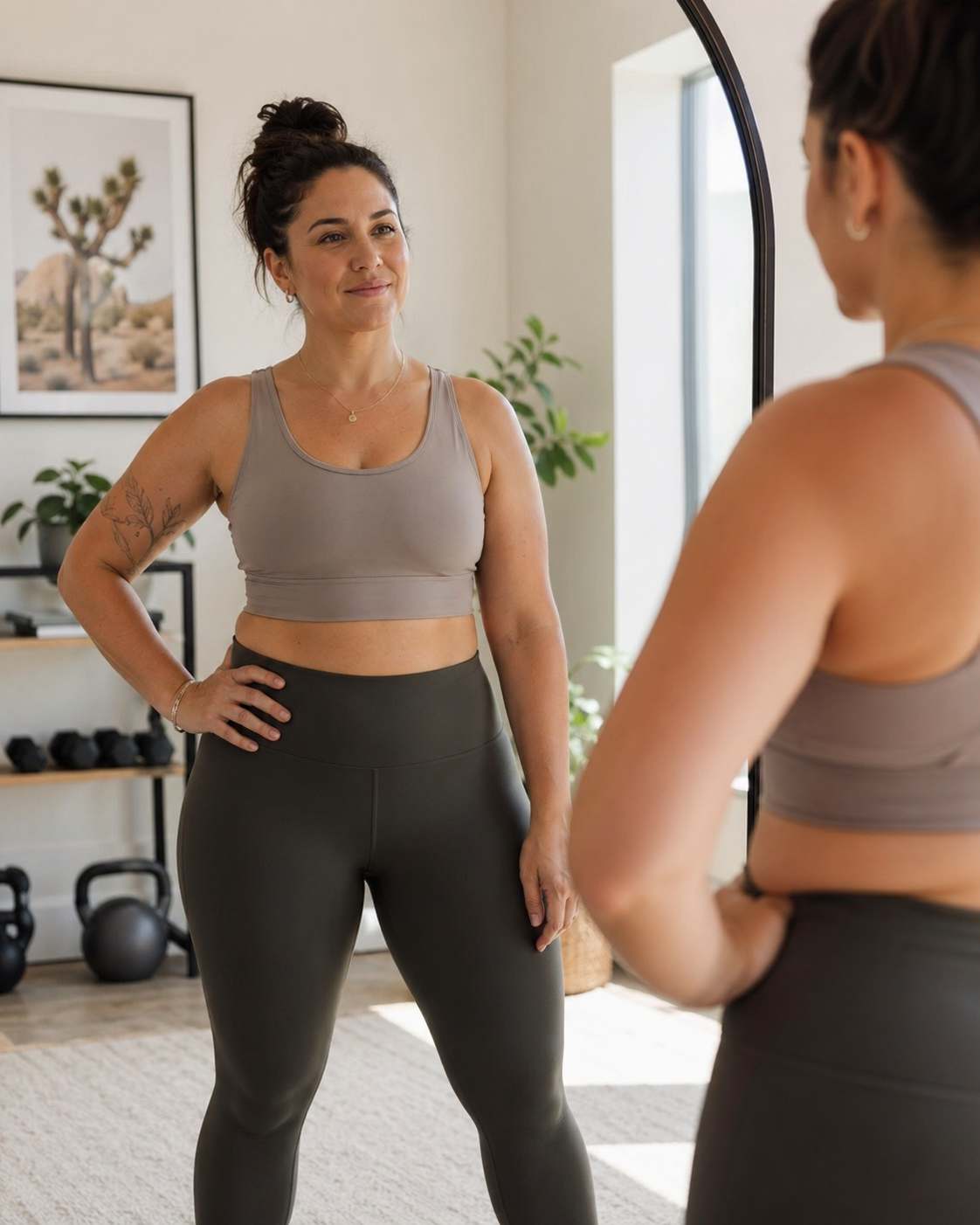
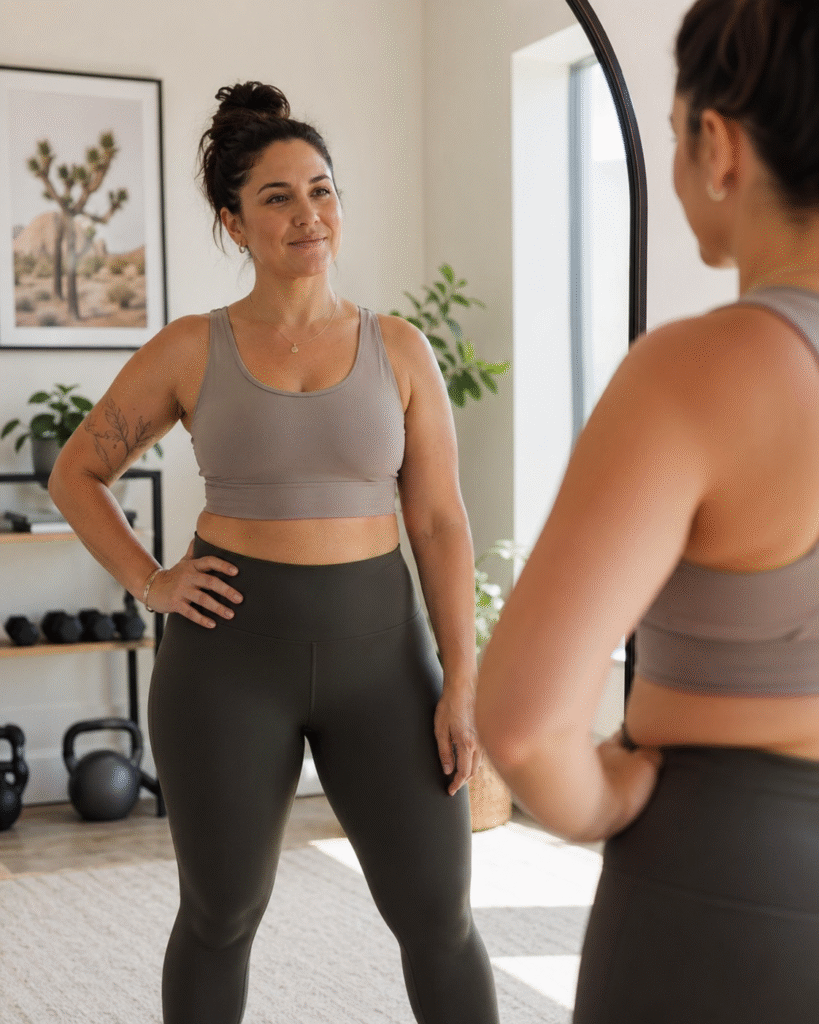
Your weight may stay the same while your body composition changes. Your clothes might fit better, your measurements may shift, or you may notice a difference in progress photos.
This can happen when your training supports muscle growth and fat loss, even when the scale moves slowly.
7. You’re Showing Up More Consistently
Maybe exercise used to be something you repeatedly started and stopped. Now, you’re finding ways to keep going even when life gets busy or your motivation is low.
That consistency is real progress. A routine you can maintain will do more for you than a few weeks of trying to be perfect.
How to Track Progress Without the Scale
You don’t need to track everything. Choose two or three measurements that connect with your goals, such as:

- Weights and repetitions
- Walking or running pace
- Rest time between exercises
- Body measurements
- Energy and sleep quality
- Monthly progress photos
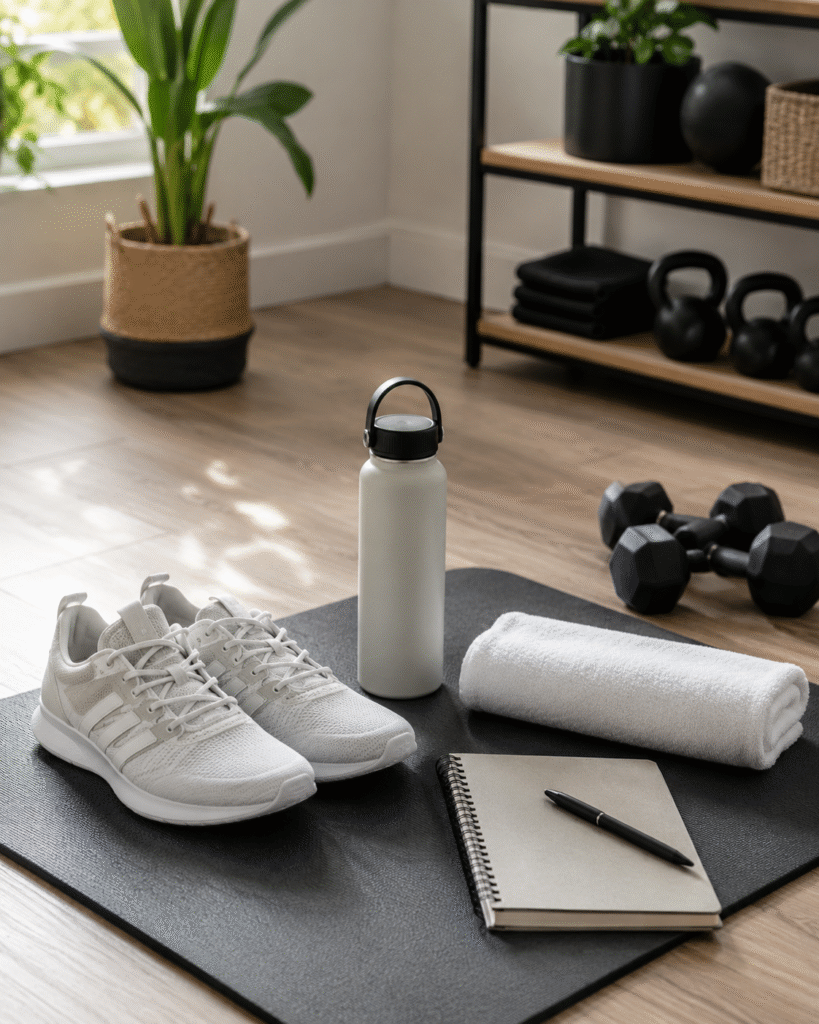
- Workouts completed each week
Keeping track of these changes can help you see what the scale misses.
Pay Attention to What Your Body Can Do
The scale gives you one piece of information. It doesn’t get the final word on your progress.
Ask yourself: What can I do now that felt harder a month ago?
Your answer may tell you much more than the scale ever could.
For realistic fitness and wellness guidance, follow @ConditionedLiving, join the mailing list, and download the free guide, A Sustainable Start. For training questions, email Carlos@ConditionedLiving.com.