Category: Fitness

  • Shoulder Conditioning Workout: Jump Rope, SkiErg, and Pressing Strength

    Shoulder Conditioning Workout: Jump Rope, SkiErg, and Pressing Strength

    A good workout does more than build muscle. It steadies your breath and sharpens your focus. This shoulder conditioning workout blends jump rope intervals, SkiErg bursts, and pressing strength into a simple structure you can repeat every week. It trains your shoulders, lungs, and pacing all at once.

    Before you begin, I like to use my Crossrope Ropeless Jump Ropes for the entire session. They make transitions cleaner, remove the frustration of clipping the rope, and help you stay focused on rhythm instead of space.

    If you’re looking for a mindset-focused companion piece, you may also enjoy Healthy Holiday Habits, which pairs well with this routine if you want supportive structure during busy weeks.

    Why This Shoulder Conditioning Workout Works

    This session is built as a conditioning complex. You move from jump rope rhythm to SkiErg power, to controlled shoulder strength. The mix keeps your heart rate steady while challenging the upper body.

    It also builds on themes you’ll recognize in Cozy Conditioning, especially when it comes to staying grounded and moving with intention.

    This workout helps improve:

    • Shoulder endurance
    • Heart and lung capacity
    • Upper-body strength
    • Rhythm and timing
    • Mental focus

    Let’s break down the structure.

    Warm Up: Set 1
    Jump rope on a minimalist gym floor.

    4 minutes boxer step with a 1 lb jump rope
    30 seconds SkiErg max effort
    1×7 Dumbbell Hammer Curl to Neutral-Grip Shoulder Press
    1×7 Barbell Shoulder Press

    Begin at 20 to 30 percent effort. Use this set to check in with your body and adjust for the day. During the boxer step, I run through a readiness checklist:

    • Are my ankles loose?
    • Do my quads or hamstrings feel tight?
    • How is my lower back responding?
    • Are my arms and shoulders warming up well?
    • And most importantly: how are my heart and my head (my mind)?

    This opening round sets the tone for everything ahead.

    Sets 2 to 4: Build the Heat

    3 minutes boxer step with 1½ lb jump rope
    30 seconds SkiErg max effort
    3×7 Dumbbell Hammer Curl to Neutral-Grip Shoulder Press
    3×7 Barbell Shoulder Press

    Increase to 30 to 50 percent effort.
    You can also raise your weights by 5 to 10 pounds if your form stays sharp.

    These sets raise your heartbeat and create noticeable tension in the shoulders. The SkiErg burst keeps your conditioning honest while the pressing work builds strength under fatigue.
    Sets 5 to 8: The Work Zone

    3 minutes boxer step with 1½ lb jump rope
    30 seconds SkiErg max effort
    3×7 Dumbbell Hammer Curl to Neutral-Grip Shoulder Press
    3×7 Barbell Shoulder Press

    Push to 40 to 70 percent effort.
    Move smoothly. Keep your breath steady. Only increase your weights if your form stays clean.

    This is where the session becomes a true shoulder-conditioning challenge. The rope tests your rhythm. The SkiErg tests your power. The pressing tests your stability and structure.

    If you’re craving another session that pairs strength with steady conditioning, this Jump Rope Full Body Workout carries that same grounded energy


    What You Will Feel After This Workout

    Most people notice:

    • A strong shoulder pump
    • Clearer breathing
    • Better pacing control
    • Improved endurance
    • A grounded focus

    It delivers strength and conditioning in one clean block of work.

    Alternatives If You Don’t Have a SkiErg or Weighted Rope

    I totally understand that not everyone has a SkiErg (or access to one) or a weighted rope. These options keep the workout’s intent intact.

    SkiErg Alternatives

    1. Dumbbell Front Squats (20–30 seconds)

    Captures the same drive and power output.

    2. High-Knee Sprint in Place

    Push hard for 20–30 seconds to elevate heart rate quickly.

    3. Battle Ropes

    Alternating waves for 20–30 seconds challenge the shoulders and lungs.
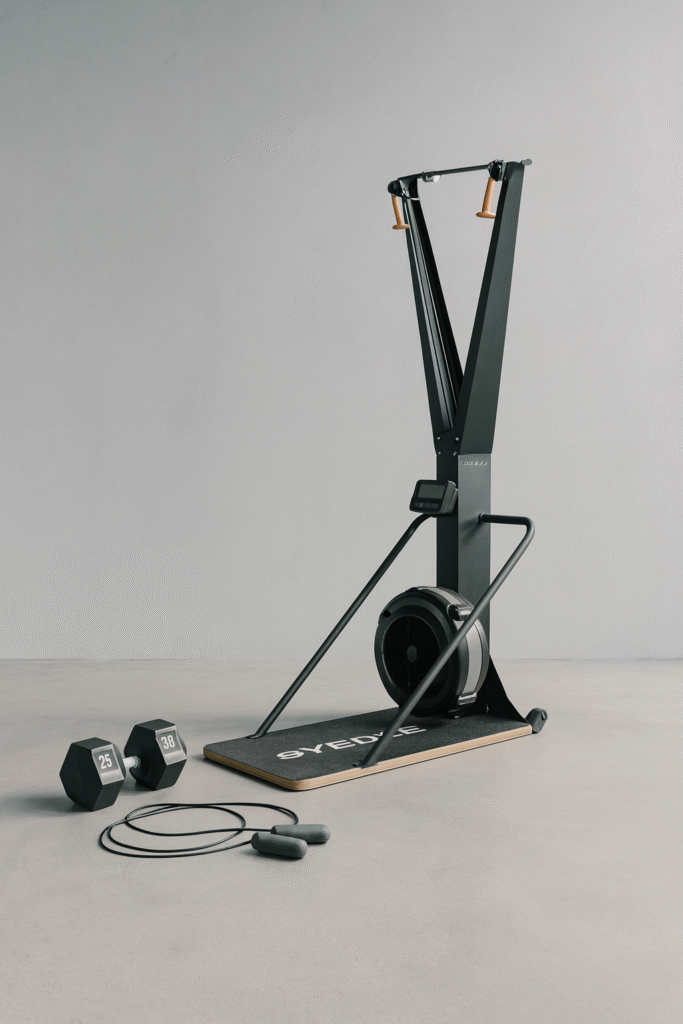
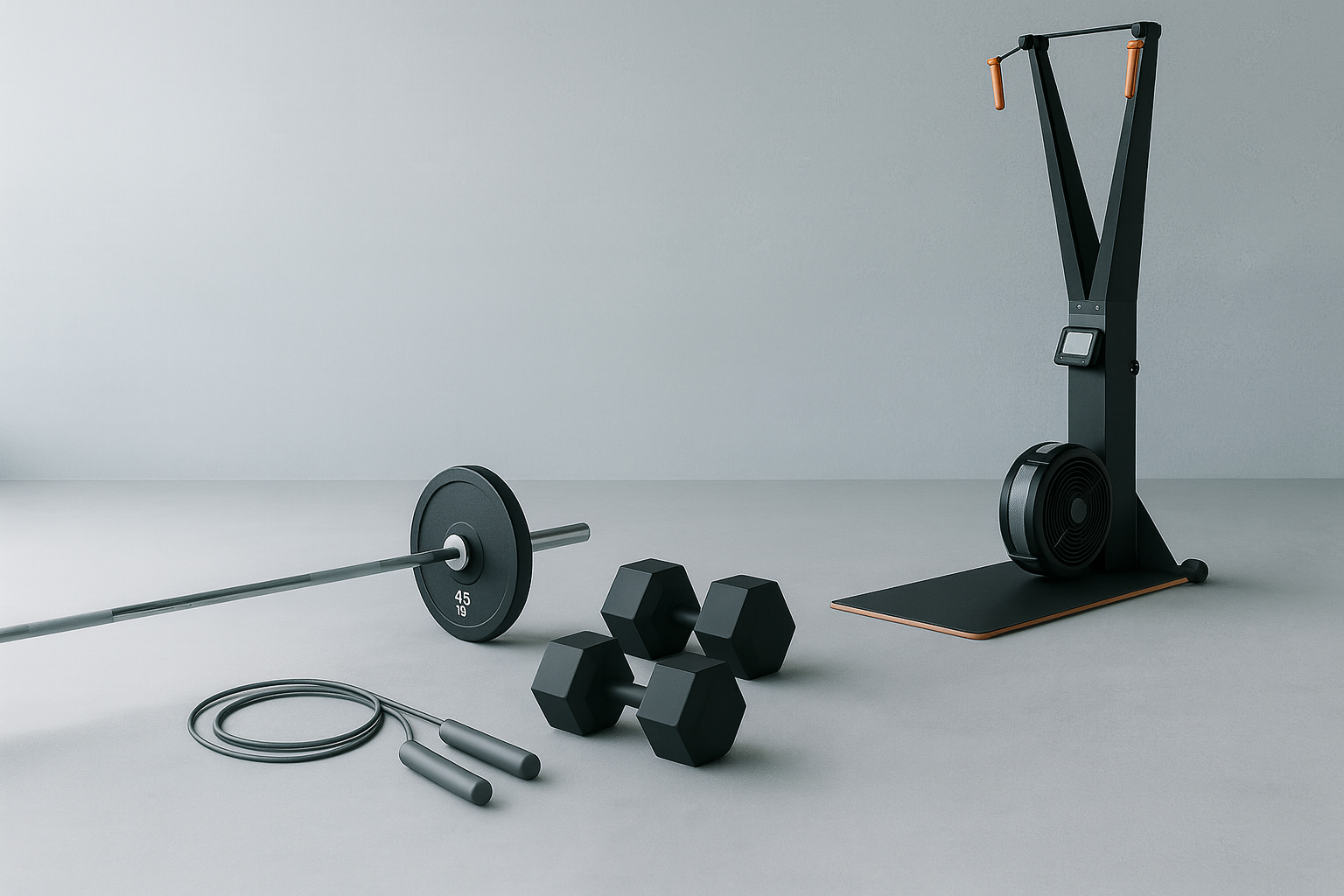
    A SkiErg machine set up in a clean training space, with a pair of hex dumbbells and a jump rope arranged on the floor for a conditioning workout.

    Weighted Rope Alternatives

    1. Regular Jump Rope

    Increase speed or jump height to create more tension.

    2. Light Dumbbell Shadow Jumping

    Hold 1–2 lb dumbbells to mimic weighted rope fatigue.

    3. Marching Rope Rhythm

    A low-impact option that keeps rhythm and shoulder activation.

    Try This Shoulder Conditioning Workout Weekly

    This structure is simple to repeat and easy to progress. Use it on shoulder day, conditioning day, or whenever you want strength and breath work combined.

    If you want help building a full program around this, I’ve got you.


    A muscular man in a black sleeveless hoodie and cap stands with his arms crossed, wearing a gold smartwatch and looking forward with a strong, focused expression.

    Interested in training with me or just want to connect?
    Send a DM to @ConditionedLiving, or email Carlos@ConditionedLiving.com. I’d love to hear from you.

    Follow @ConditionedLiving for reflections, tips, and updates on mindset, strength, and everyday wellness.
    Stay in the loop by joining my free mailing list for updates and inspiration.
  • Cozy Conditioning: How to Stay Active and Grounded Through the Holidays

    Cozy Conditioning: How to Stay Active and Grounded Through the Holidays

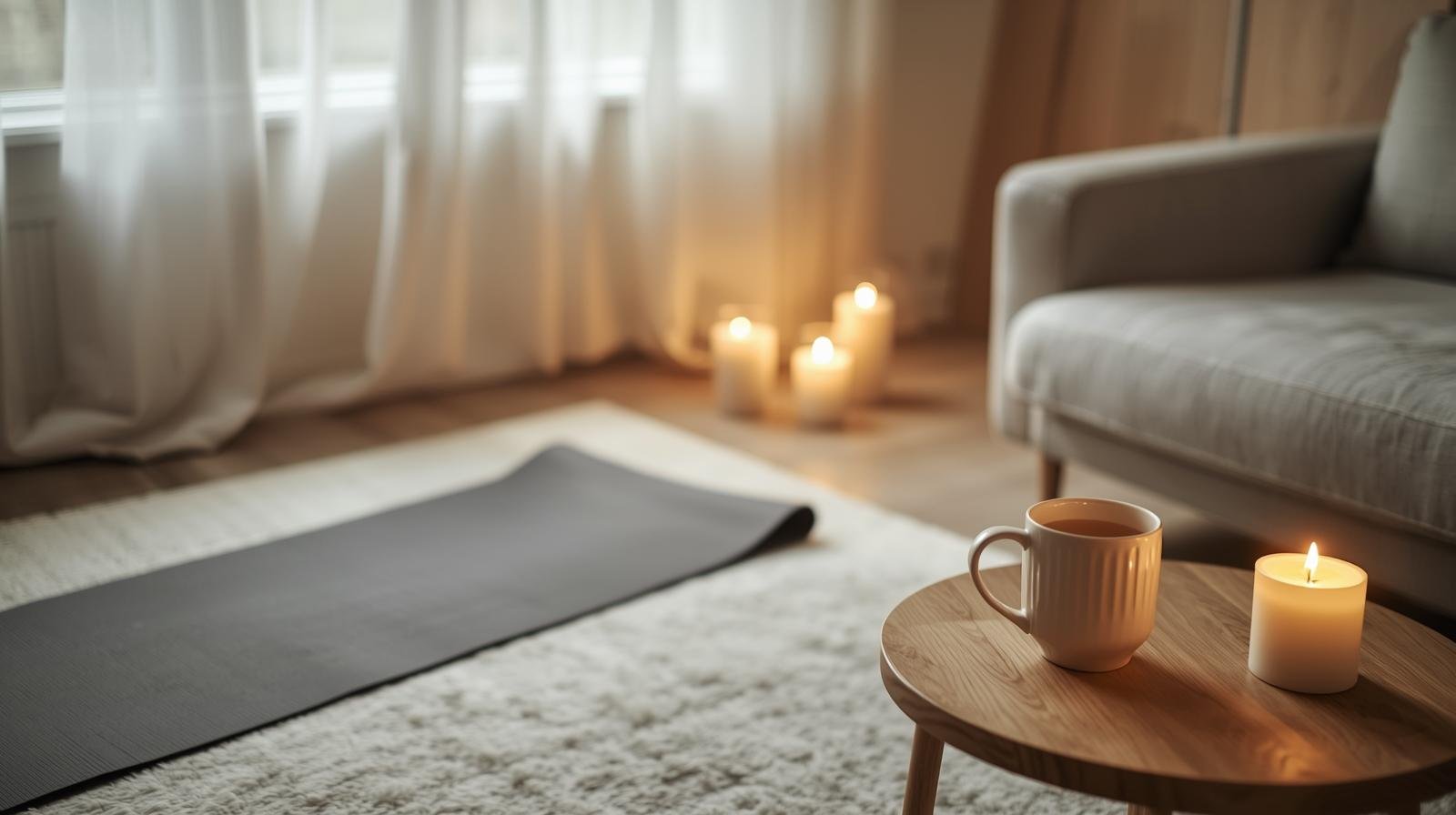
    Cozy home workout space with candles and yoga mat during the holidays.

    There is no doubt that cold weather has the potential to tests our routines. Short days and cozy nights can make the couch more appealing than a workout. This is where a little mentality shift I’m calling Cozy Conditioning comes into play. Think of it as a way to bring warmth, consistency, and self-care together.

    You have probably seen the Cozy Cardio trend online. Candles are glowing, walking pads are humming, and quiet playlists set the tone. It is comfort meeting consistency, and it is getting more people to slow down and move with intention. Cozy Conditioning takes that a step further. It isn’t just a mood. It is movement with meaning.

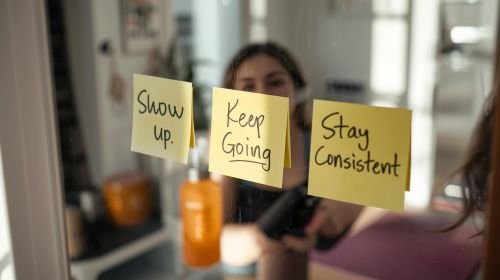
    This mindset is about how exercise makes you feel, not how it makes you look. It is about showing up for yourself, staying grounded (especially through the holidays), and moving because you care about your well-being.

    Exercise as Self-Care

    Exercise is not a chore we owe our bodies. It is something we give ourselves. Taking time to move is an act of respect. It reconnects us to our bodies when life feels chaotic and reminds us that we are worth showing up for. That same mindset shows up in Discipline from the Gym to Everyday Life; it’s all about carrying that “showing up” energy beyond the gym and into how you live every day.

    Person stretching mindfully beside soft holiday lights, representing exercise as self-care.

    This is one of the pillars Cozy Conditioning is built on. It is not about forcing workouts or pushing through guilt. It is about gentle discipline and finding peace in movement that feels good and sustainable. During the holidays, routines fall apart. Travel, gatherings, and endless food spreads can make exercise feel impossible. Through it all, you need to keep in mind that the goal is not perfection; it’s presence.

    Intentional movement can undoubtedly keep your rhythm alive. Ten minutes of stretching before bed. A light circuit beside the Christmas tree. A calm walk after dinner. Every time you choose to move, you remind your body that you still care. When January comes, you are not starting over. You are continuing the story you have been writing all along.

    Cozy Conditioning is discipline with warmth, comfort with purpose, and progress that begins with being present.

    Movement That Feels Good

    The best thing about Cozy Conditioning is its flexibility. It adapts to your energy, schedule, and space. There is no pressure to perform, only an invitation to move.

    Ask yourself what kind of movement feels right today. Some days it might be strength training. Other days it might be yoga, foam rolling, or dancing around your living room. What matters is the intention behind it.

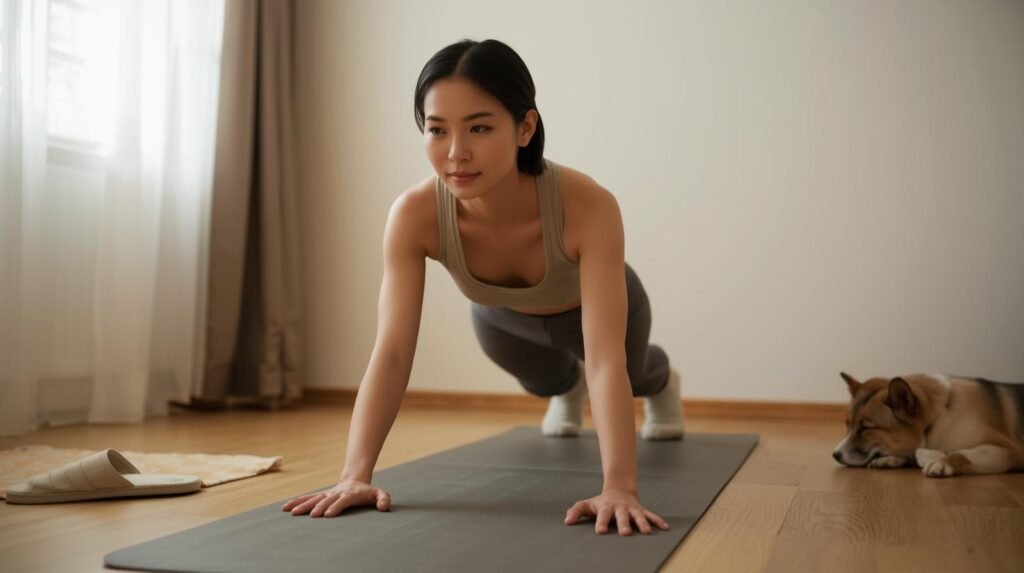
    Woman doing gentle bodyweight exercises in a cozy home setting.

    If you usually focus on high-intensity workouts, balance them with something restorative. If you sit most of the day, start with ten minutes of walking or mobility work. Your body does not need punishment. It needs partnership. That is what Cozy Conditioning is really about.

    Make your environment inviting. Use soft lighting, wear your favorite hoodie, and play music that helps you breathe a little easier. When your space feels welcoming, movement turns into a ritual instead of a task.

    Ideas to Try

    • Take five deep breaths, light a candle, and move through a short mobility warm-up.
    • Do one round of body-weight squats, push-ups, and core holds. Repeat if it feels good.
    • Stretch on the floor before bed with your phone in another room.

    These small choices add up. Each time you move with intention, you are conditioning not only your body but also your mindset. You learn to value consistency and balance over burnout.

    Keeping the Momentum Through the Holidays

    The holidays can throw anyone off track. Schedules change, motivation dips, and it is easy to think, “I will start again in January.” Cozy Conditioning challenges that idea. Instead of pausing your fitness, shift your expectations. Replace “all or nothing” with “always something.” Movement becomes part of the celebration rather than a break from it.

    Take a walk with your family after dinner. Stretch in the morning before everyone wakes up. Pack resistance bands when you travel (or your Crossrope Ropeless Weighted Ropes if you’re me) . The goal is to keep your connection to movement alive.

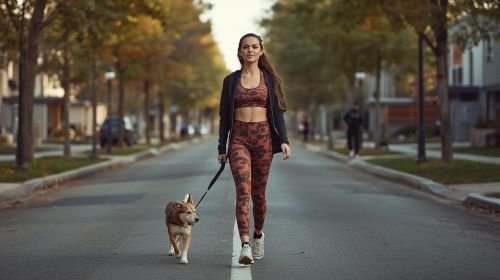
    Person walking outdoors in winter clothes, staying active during the holidays.

    Consistency during the holidays is not about maintaining your best shape. It is about staying grounded. When you move, your energy stays steady and your stress stays low. You end the season feeling more like yourself.

    Be kind to yourself. Enjoy the food and skip a workout if you need rest. Return to movement from gratitude, not guilt. That balance is what Cozy Conditioning is about. Compassion and commitment can exist in the same space.

    The Feel-Good Finish Line

    Real progress does not always come from intensity. Sometimes it comes from slowing down. From treating rest and recovery as part of the process as well as choosing to be present instead of pressured. When you embrace Cozy Conditioning, you move from care instead of criticism. You stop chasing results and start building a relationship with movement that lasts.

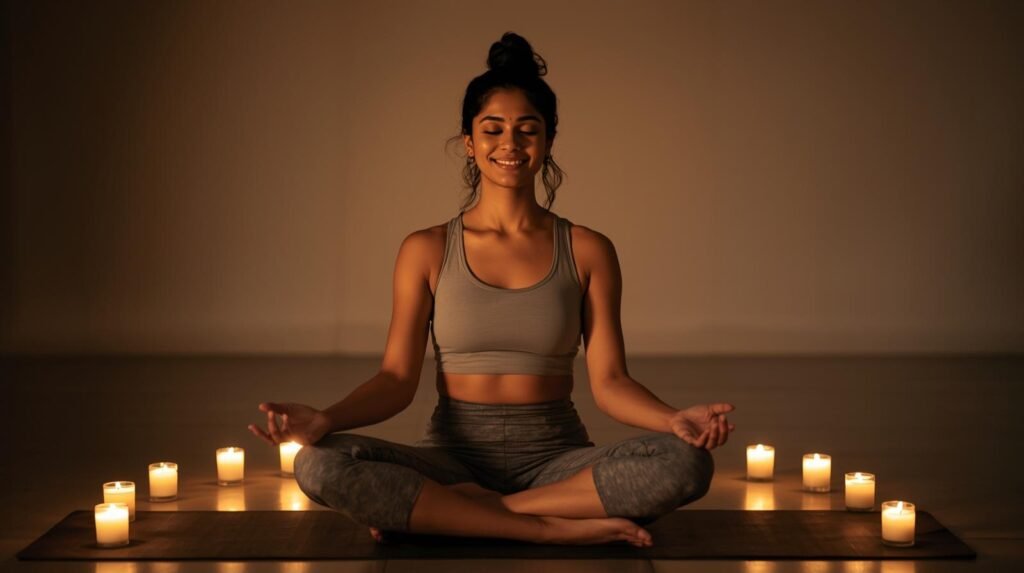
    Person meditating peacefully after a cozy home workout.

    This is a transformation that goes beyond strength or endurance; it changes how you see yourself. You learn that discipline can feel soft and human. You build trust with your body and pride in your consistency.

    As the holidays unfold, let Cozy Conditioning remind you that showing up, even gently, still counts. You are not starting over. You are continuing your story with intention, one mindful breath and one small rep at a time.


    Carlos Lacayo, fitness coach and founder of Conditioned Living, wearing a black sleeveless hoodie and hat, arms crossed confidently.

    Interested in training with me or just want to connect?
    Send a DM to @Litoswaay, or email Carlos@ConditionedLiving.com. I’d love to hear from you!
    Follow @ConditionedLiving for reflections, tips, and updates on mindset, strength, and everyday wellness.
    Stay in the loop by joining my free mailing list for updates and inspiration.
  • Discipline from the Gym to Everyday Life: Making Fitness Part of Your Identity

    Discipline from the Gym to Everyday Life: Making Fitness Part of Your Identity

    You hit your workouts consistently, but the moment you step outside the gym, that discipline fades.
    Ever notice how some people just live their fitness, while for others it’s just another box to check?

    I’ll be the first to admit, I’ve had my own struggles with discipline. I can get my workout done, but then something like writing a blog post suddenly feels like the most tedious thing in the world. It’s funny how we can power through a tough set but stall on the small things that move us forward. I’ve learned that discipline isn’t just about doing the hard thing; it’s about showing up for yourself, no matter the context.

    Turning Exercise Into a Lifestyle, Not a Task

    For me, exercise is non-negotiable. I love training first thing in the morning, but life doesn’t always make that possible. After about noon, it gets a little harder; motivation dips and distractions pile up,  but I still make sure I get it done. The difference? I’ve made fitness part of my identity. When something becomes who you are, not just what you do, you stop giving yourself ways to back out.

    Many people separate “workout life” and “real life,” but the truth is, sustainable health happens when movement, mindfulness, and nutrition blend seamlessly into daily living. Fitness shouldn’t live in a silo. It should show up in small, natural ways that remind you you’re living actively.

    Maybe it’s:

    • Taking the stairs instead of the elevator.
    • Doing walking meetings instead of sitting all day.
    • Treating meal prep as an act of self-care, not a chore.

    Weaving fitness into your routine, as a form of alignment as opposed to punishment, can help with the transformation from effort into identity.

    Discipline and Intention: The Foundation of Lasting Change

    It always amazes me how, the moment a consultation starts, people assume a trainer’s goal is to “train them half to death.” Some even want me to be a drill sergeant of sorts. Somewhere along the way, fitness became akin to boot camp. People crave discipline but expect it to come through force, not trust. Discipline isn’t punishment. It’s a conversation between your mind and your body.

    Good habits are hard to build and easy to lose, but they’re never born from shame. When clients realize that I’m not here to manipulate or degrade them but to teach them how to fall in love with the process, something shifts.

    That’s when the magic happens because the transformation doesn’t start in the gym. It starts in the mind. They move with passion. They fall in love with the process. That’s when fitness becomes a part of you forever.

    Intention + Discipline = Sustainable Fitness

    Intention setting is about clarity and purpose. Deciding why you want to do something and how you want to show up in the process. For example, “I intend to prioritize my health by moving my body daily” creates a mental and emotional anchor, a guiding principle rather than a strict rule.

    Discipline is about follow-through; the structure, consistency, and self-control that turn intention into daily action, even when motivation dips. Discipline makes your intention tangible.

    Think of it like this:

    • Intention = direction (your “why”)
    • Discipline = momentum (your “how”)

    Without intention, discipline can feel rigid or empty, like forcing yourself through routines without meaning. Without discipline, intention stays in the realm of good ideas. When the two align, you create a sustainable, meaningful practice.

    For example:
    “I intend to feel strong and grounded in my body.”
    → leads to →
    “I discipline myself to show up for strength training three times a week.”

    That’s where transformation takes root; not just in your muscles, but in your mindset.

    What “Making Fitness Part of Your Identity” Really Means

    Making fitness part of your identity means reframing how you think about yourself and your habits. Instead of “I have to work out,” try “I’m someone who trains.” It’s a subtle but powerful shift.

    When your actions align with who you believe yourself to be, consistency follows naturally. You no longer negotiate with yourself about whether you’ll work out; it’s just what you do.

    Fitness also supports who you want to be: strong, focused, and confident. It’s not just about how you look. When your goals align with your values, showing up becomes easier.

    To help build that connection:

    • Anchor your routines in purpose (a morning ritual, journaling progress).
    • Keep accountability partners who share your goals.
    • Focus on progress markers beyond aesthetics such as endurance, strength, energy and mindset.

    Training is a mirror. What you practice under the bar shows up in your real life such as resilience, patience and commitment.


    Integrating Fitness Into Everyday Life

    If you want to make fitness second nature, build systems that support it. These aren’t hacks, they’re habits that reinforce who you are:

    • Schedule movement like a meeting. It’s not optional, it’s on the calendar.
    • Eat to fuel, not restrict. Nutrition supports performance, not punishment.
    • Set goals beyond looks. Maybe it’s running a 5K, hiking a new trail, or improving your deadlift.
    • Surround yourself with people who live actively. Energy is contagious.

    The goal isn’t perfection; it’s consistency with compassion. The best fitness identity is one that is strong, flexible, adaptable and blends with who you are.

    Mindset & Reflection

    When fitness becomes who you are, not just what you do,  you start to carry that strength into every part of your life. It shows up in how you handle stress, how you speak to yourself, and how you show up for others.

    At Conditioned Living, we believe in training for the long game. This is a place where strength, cardio, recovery, and mindset all work together to create lasting wellness.

    The gym is the training ground. But the real work?
    That’s how you live when you walk out the door.


    If this story resonated, I’d love to hear from you.
    You can DM me on Instagram @Litoswaay or @ConditionedLiving; or send an email to Lacayo.Carlos1@gmail.com, I’d love to connect.
    Also, follow @ConditionedLiving for updates, tips, and all things mindset and movement.

  • Turgut Balikci: Fitness, Cycling & Restaurant Success

    Turgut Balikci: Fitness, Cycling & Restaurant Success

    Discover how NYC restaurateur and cyclist Turgut Balikci channels his passion for fitness and cycling into the success of his iconic restaurants like Bella Luna.

    Turgut Balikci has truly made his mark in the New York City restaurant scene. A seasoned restaurateur with a storied career spanning over four decades, he launched his first Italian restaurant in the Theater District in 1984, followed by a French seafood concept in 1986.

    Over the years, Turgut has brought to life many successful dining destinations in emerging New York City neighborhoods, each showcasing his signature talent for creating warm, inviting spaces that prioritize quality and authenticity. His influence on the city’s culinary landscape includes helping pioneer the now-iconic West Broadway SoHo dining scene with the opening of Diva in 1993.

    A Lifelong Passion for Hospitality

    The restaurant industry has always been a part of Balikci’s life. Growing up in Istanbul, he helped run his father’s restaurant from an early age. Whether chopping firewood, prepping ingredients for the chef, or ensuring the dining area was ready for service, these early experiences became foundational pillars for his future ventures in New York City.

    When asked about the keys to longevity in the restaurant business, Balikci said, “The key to longevity is good food and good service. I go out to eat a lot and I know if the service is bad, it doesn’t matter if it’s the best food in the world; I won’t go back.”

    Bella Luna: A Beloved Upper West Side Landmark

    Bella Luna’s Interior.. Photo Credit: Bella Luna

    In 1988, Turgut Balikci opened Bella Luna, an Italian restaurant that quickly became an Upper West Side institution. For more than three decades, Bella Luna has been a place where generations of families come together to enjoy classic Italian cuisine and create lasting memories. Many longtime patrons now bring their children and grandchildren, keeping the tradition alive through the years.

    When I recently dined at Bella Luna (check out my review here), I asked Turgut for his personal menu recommendations. He highly suggested the Capellini Alla Campagnola and the Linguine with Clams. Two dishes that perfectly capture the essence of Bella Luna’s authentic Italian charm.

    Fitness and Focus: Turgut Balikci the Cyclist

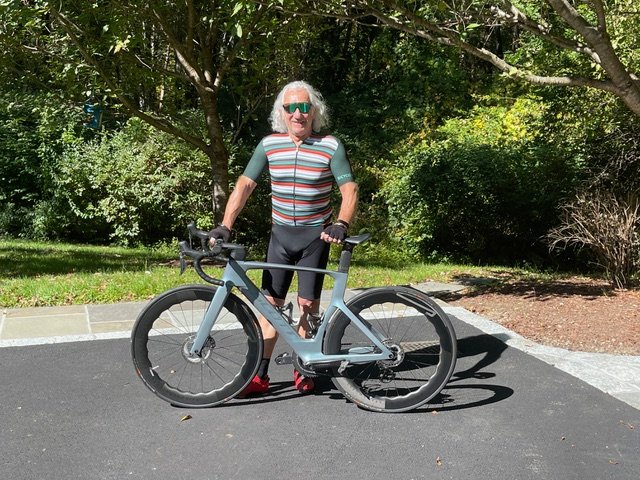
    Beyond his restaurant success, Turgut Balikci is also an accomplished cyclist. At 71 years old, he regularly rides up to 70 miles on weekends. Ironically, his love for cycling began when a bike shop opened beneath his father’s restaurant in Istanbul when he was just 16. “I saw the guys outside of the club in the mornings; they had their cycles and they were dressed in cycling gear. I thought it was cool; I was excited,” Turgut recalls.

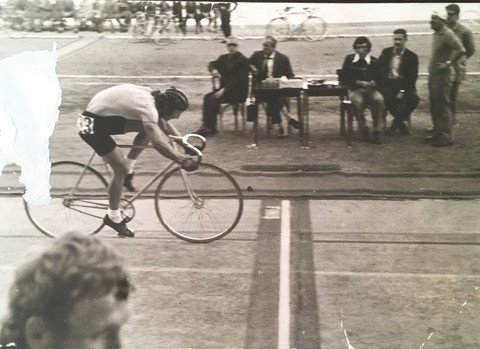
    Turgut crossing the finish line at the 1972 Turkish track racing national championships in Balikesir. Photo Credit: Turgut Balikci

    Within two years, he won his first national cycling championship. Balikci became a professionally sponsored athlete and competed in team events across Turkey and abroad. He first came to the United States in 1979 to race and decided to stay. “My friends went back to Turkey, but I decided to stay here,” he said.

    As his restaurant career grew, cycling took a backseat. After moving to Connecticut years later, he returned to the sport, eventually earning sponsorship from Danbury Audi and competing in the Nutmeg State Games.

    In addition to cycling, Turgut incorporates calisthenics and strength training into his routine. “Your whole physique has to be good. You need the muscle work and cardio work. As a cyclist, your cardio along with your body must be top notch,” he explains.

    How Exercise Fuels Creativity in Business

    Turgut Balikci still rides his bike regularly. Photo Credit: Turgut Balikci

    Exercise offers more than just physical benefits, it brings mental clarity and creative insight. Many entrepreneurs find their best ideas come during moments of physical activity, and Turgut is no exception. “When I’m training, I’m also thinking about the business; ideas always come up,” he says. “When I’m exercising, I feel like I’m at my office. I’m planning menus or ingredients for dishes; I’m always thinking when I work out.”

    A Taste of What’s Next

    Looking ahead, Turgut Balikci remains committed to maintaining the exceptional quality and service that his restaurants are known for. He’s also planning to refresh Bella Luna’s menu for the winter season. “We’re working with the chef and looking to add some new dishes for the winter; potentially two pasta dishes and one main,” he explains. “I always want to make sure my food and quality of service are the best they can be.”

    As our conversation came to a close, Turgut reflected on his lifelong dedication to the craft, “Hospitality is my business. Restaurants are what I’ve known my whole life. Cooking and serving are cornerstones of my life. If you work hard and do what’s right, you’ll be successful.”

    Turgut Balikci embodies the discipline and determination of a world-class athlete, qualities that have fueled his decades-long success in one of the world’s toughest restaurant markets. Through fitness, passion, and a genuine love of service, he continues to elevate New York City’s dining scene while inspiring others to pursue excellence in everything they do. bellalunanyc.com

  • The Psychology of Routine: Why Fall is the Best Time to Build Habits

    The Psychology of Routine: Why Fall is the Best Time to Build Habits

    If sticking to new habits has ever felt impossible, the timing of your routine may be the missing piece. Many people wait until January to set New Year’s resolutions, but autumn may actually the best season to build habits that last.

    Personally, I love the fall foliage, the reds, oranges, and browns always bring me a sense of calm. Beyond aesthetics, the psychology of seasonal change makes autumn the perfect time to reset, refocus, and  commit to healthier patterns as well.

    Why Fall Is the Perfect Season for New Routines

    Fall naturally represents transition. The long, carefree days of summer give way to cooler weather, shorter daylight hours, and more structured schedules. Psychologists often refer to this as the “fresh start effect”, the boost of motivation we feel during natural turning points like birthdays, Mondays, or new seasons. Among these, fall is one of the most powerful reset points, offering a built-in chance to establish better routines.

    The “Back-to-School Effect” for Adults

    Even if you’re not a student, autumn still carries that back-to-school season energy. There’s a collective return to order; planners, schedules, and productivity tools become your best friend all over again. This cultural rhythm makes it easier to adopt healthy lifestyle habits such as meal prepping, working out, or sticking to a consistent sleep schedule.

    The Habit Loop and Seasonal Cues

    All strong routines rely on the habit loop: cue → routine → reward. Fall provides natural cues that make habit-building easier. Crisp mornings, earlier sunsets, and cozy evenings indoors all act as signals to trigger positive behaviors. For example:

    • Journaling while sipping your morning coffee.
    • Walking after work before the sun sets.
    • Meditating as part of your evening wind-down.

    You’re more likely to stick with routines by anchoring them to seasonal cues.

    Mental Health Benefits of Fall Habits

    Fall isn’t just good for productivity; it’s also crucial for mental health. As daylight decreases, many people feel the effects of seasonal affective disorder (SAD), a type of depression that typically occurs in the fall and winter months. Creating habits around exercise, sleep, and mindfulness now provides stability and emotional balance before winter arrives.

    Practical Habits to Start in the Fall

    Here are a few easy, season-friendly routines to kickstart:

    • Morning movement: Cooler mornings are perfect for runs or brisk walks.
    • Meal prepping with fall produce: Root vegetables, soups, and warm dishes make healthy eating simple.
    • Consistent sleep routine: Shorter days help reset your natural circadian rhythm.
    • Mindfulness practices: Journaling, meditation, or gratitude lists fit perfectly with cozy autumn evenings.

    Why Fall Habits Outlast New Year’s Resolutions

    While New Year’s resolutions often fail due to post-holiday fatigue, fall routines begin during a season of higher energy and fewer distractions. By January, your habits are already established, giving you momentum instead of starting from scratch.

    If you’ve been waiting for the “right time” to start fresh, don’t wait until New Year’s. Fall is the season of structure, renewal, and psychological advantage. By aligning your routines with autumn’s natural rhythms, you set yourself up for lasting success in health, mindset, and productivity.


    Interested in training with me? Just want to connect?

    DM me on Instagram @Litoswaay or send an email to Carlos@Conditionedliving.com. I’d love to hear from you. And don’t forget to follow @Conditionedliving for updates, tips, and all things mindset and movement.

  • Try This Outdoor Workout to Maximize the Last Days of Summer

    Try This Outdoor Workout to Maximize the Last Days of Summer

    As summer winds down and the cooler months are around the corner, there’s no better time to take your workouts outside. Outdoor fitness isn’t just refreshing; it’s proven to boost mood, increase vitamin D, and add variety to your routine. You can take this workout anywhere, at the park, on a trail, or right in your backyard.

    It’s just four moves, no equipment needed, and it’ll take you about 30–40 minutes. Not only is it simple and  efficient, it’s a great way to get in a solid full-body session while enjoying the fresh air.

    Why Outdoor Workouts Work

    Before jumping into the routine, here are a few benefits of taking your training outdoors:

    • Fresh air and Sunlight: Outdoor workouts boost serotonin and vitamin D, both linked to improved mood and energy.
    • More Calorie Burn: Uneven terrain, wind, and natural surfaces make your body work harder than an indoor treadmill or gym floor.
    • Stress Relief: Exercising outdoors can help reduce stress and improves mental clarity.

    All of this makes outdoor workouts a perfect way to close out summer and carry into those early fall days

    Full-Body Outdoor Workout (No Equipment Required)

    Perform the following moves in a circuit. Complete 3–4 rounds, resting 60–90 seconds between each round.

    1. Push-Ups (10–15 reps)

    A classic for building upper-body strength in the chest, shoulders, and triceps.

    • Pro tip: Try incline push-ups on a bench or decline push-ups with feet elevated for variety.

    2. Walking Lunges (10–12 steps per leg)

    Strengthens legs and glutes while improving balance.

    • Pro tip: Focus on long, controlled steps to stretch and activate the hips.

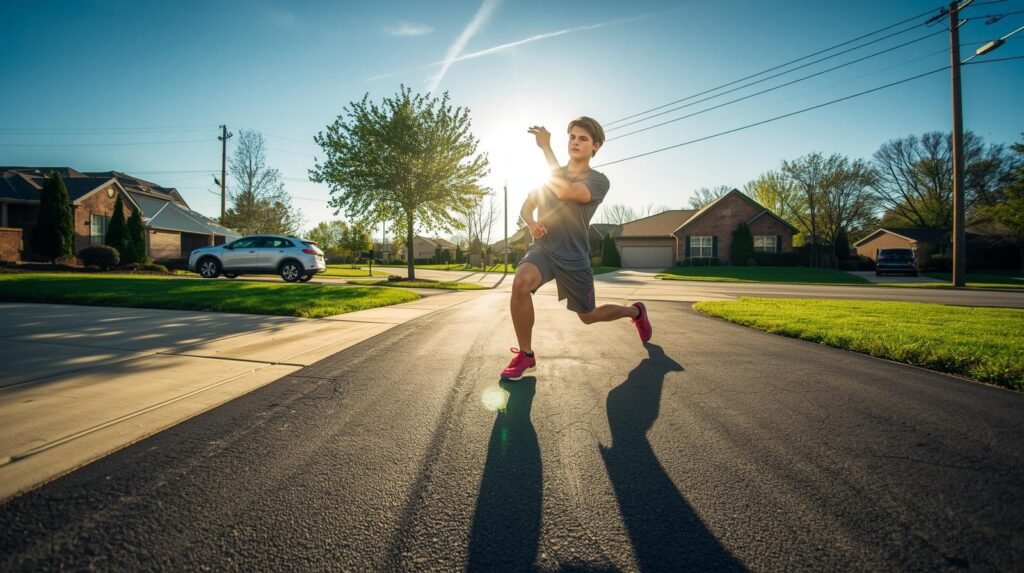
    3. Plank-to-Shoulder Taps (10-second plank, 10–12 taps per side)

    Challenges core stability while also working shoulders and coordination.
    • Pro tip: Keep hips steady and avoid rotating; quality over speed.

    4. Squat Jumps (8–12 reps)

    Adds power and conditioning to the circuit.

    • Pro tip: Land softly with knees slightly bent to protect your joints.

    Outdoor Run Finisher

    Once the circuit is complete, finish strong with a run.

    • Steady Jog: 10–15 minutes at a moderate pace.
    • Intervals: 1 minute fast / 1 minute easy jog, repeated 6–10 times.

    This adds endurance and cardiovascular conditioning to round out the workout.


    Wrapping Up Summer Strong

    As the last warm days of the season slip away, outdoor workouts are a great way to balance strength, conditioning, and endurance while soaking in fresh air. This bodyweight-focused session requires no equipment, can be done anywhere, and leaves you with that energized feeling only an outdoor workout can provide.

    Make the most of these final warm, sunny days.

  • Why Strength and Conditioning Is Better for Heart Health Than Cardio Alone

    Why Strength and Conditioning Is Better for Heart Health Than Cardio Alone

    I used to be the kind of person who strictly separated my “strength days” from my “cardio days.” But after my triple bypass surgery in 2023 (read all about it here), I had to completely rethink my approach to fitness. I transitioned to a strength and conditioning program with HIIT elements, which allows me to challenge my heart, build cardiovascular endurance, and safely gain strength—all without overloading my body before it’s ready.

    Through this journey, I’ve realized just how effective strength and conditioning workouts can be. It’s now my favorite way to train—not just for myself, but also because I’ve seen my clients thrive. They’ve built muscle, lost weight, increased energy, and improved overall fitness in ways that cardio alone couldn’t deliver. One big lesson I’ve learned: cardio by itself isn’t enough for lasting heart health. Here’s why strength and conditioning may be a smarter, more effective approach.


    1. Strength and Conditioning Improve Heart Efficiency

    Cardio strengthens your heart, but strength training combined with conditioning takes it a step further. Lifting weights strengthens your blood vessels, while conditioning drills—like circuit training or interval workouts—improve how efficiently your heart pumps blood. Together, they enhance endurance and cardiovascular power. Think of it as training your heart for both sprints and marathons of life.

    2. Cardio Alone Doesn’t Prevent Muscle Loss

    Running, cycling, or traditional cardio keeps your heart and lungs active, but it won’t protect your muscle mass. Strength training builds muscle, and conditioning keeps those muscles working efficiently to support your cardiovascular system. Stronger muscles mean your heart doesn’t have to work as hard during daily activities, making strength and conditioning the ideal combination for aging well.

    3. Better Blood Sugar and Metabolic Health

    Strength training improves insulin sensitivity, while conditioning boosts your metabolism by teaching your body to use fuel more efficiently. This combination helps regulate blood sugar, which is critical for heart disease prevention. Cardio alone is helpful, but adding strength and conditioning exercises targets the metabolic side of heart health more effectively.
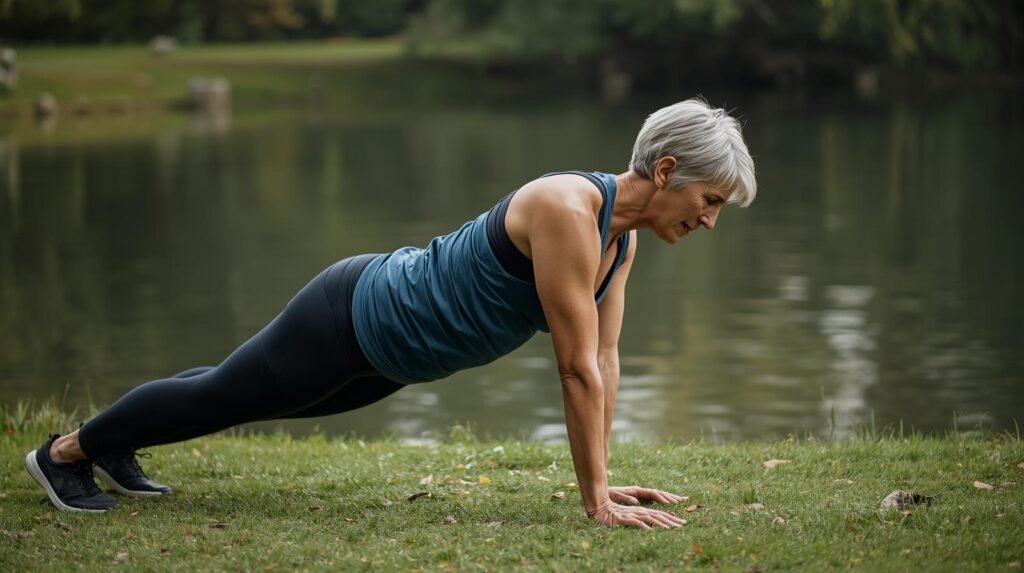
    4. Strong Muscles Reduce the Heart’s Workload

    Pairing strength training with conditioning makes your muscles stronger and more resilient. Everyday tasks like carrying groceries or climbing stairs put less stress on your heart when your muscles can handle the workload. Efficient muscles and a conditioned body allow your cardiovascular system to relax while keeping you active.

    5. Variety Protects Your Heart Long-Term

    The heart thrives on a well-rounded training program. Mixing strength, conditioning, and HIIT keeps workouts interesting, prevents overuse injuries, and reduces inflammation. This variety not only benefits your heart now but also protects it for years to come. Think of strength and conditioning as a complete toolbox for long-term heart health.
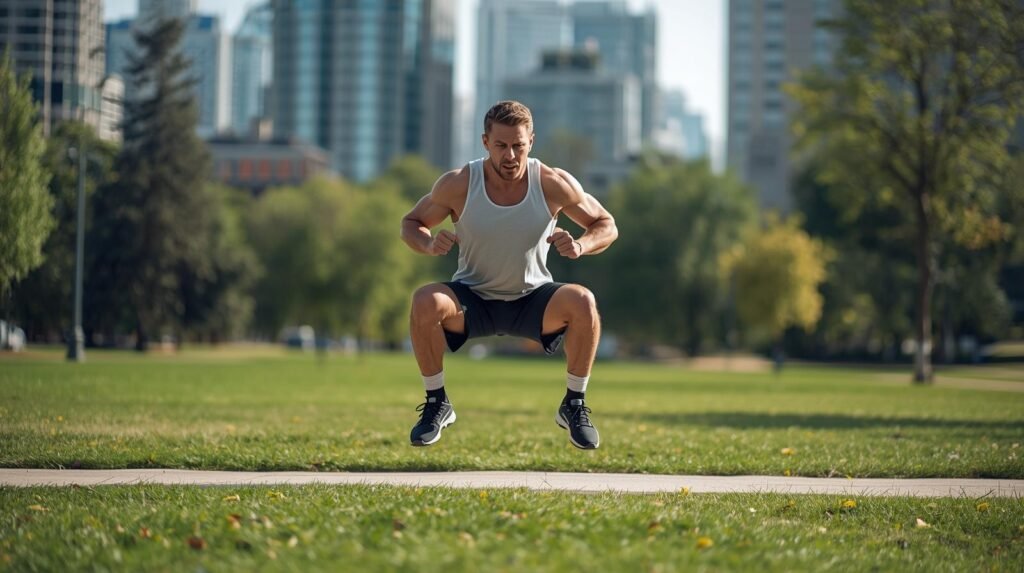

    The Takeaway

    Cardio is important, but it’s only one piece of the puzzle. Strength and conditioning provide the complete support your heart, muscles, and metabolism need to stay healthy, strong, and resilient for life.

    Want a personalized strength and conditioning program? Looking for one-on-one training sessions to improve your heart health and fitness? Or maybe you just want to chat more about how strength and conditioning can support your goals? Reach out via email at Carlos@Conditionedliving.com or DM me on Instagram @conditionedliving! I’d love to see how I can support your training goals.

  • Jump Rope Complex: A Fast, Full-Body Workout for Strength, Cardio & Core in 30 Minutes or Less

    Jump Rope Complex: A Fast, Full-Body Workout for Strength, Cardio & Core in 30 Minutes or Less

    If you’re short on time but still want to crush a high-quality, full-body workout, give my Jump Rope Complex a try. This fast-paced routine combines cardio, strength training, and core activation in a single session and it’s my go-to when I’m training chest, back, and abs (yes, all in one workout). It also works perfectly as a push day finisher or a standalone conditioning circuit.

    💪 The Workout

    • Two minutes jump rope (skip or boxer step)
    • 20 push-ups
    • 20 mountain climbers (10 per side)
    • 30 seconds rest

    Repeat 8x or do AMSAP (As Many Sets As Possible) in 30 minutes

    This circuit hits your chest, core, shoulders, back, and legs, while keeping your heart rate elevated. It’s a powerful blend of HIIT, bodyweight strength, and cardiovascular conditioning — perfect for torching calories and building muscular endurance.

    ❤️ Why I Love This Conditioning Circuit

    What makes this jump rope workout stand out is how accessible and scalable it is. You can adjust the intensity based on your fitness level, goals, or available time.

    Personally, I use it to:

    • Activate my whole body
    • Improve my conditioning and coordination
    • Break up traditional strength training with high-tempo movement

    It’s a killer option for busy days when you want a quick, effective workout that still delivers results.

    🛠 Optional Gear That Takes It to the Next Level

    Weighted Jump Rope

    Any rope works really, but I prefer using my Crossrope Ropeless Weighted Jump Ropes (not sponsored, they’re just fantastic!). They’re perfect for small spaces and add resistance to boost core engagement and muscular fatigue.

    • I use my 1 lb rope for the first two (sometimes three) sets as a warm-up.
    • Then switch to the 1½ lb rope for the remaining rounds to push intensity and volume.

    Push-Up Board

    Totally optional, but a push-up board helps me target different muscle angles during push-ups. It’s a simple way to add variety and challenge — no extra space or complex setup required.

    If you’re looking for:

    • A fast-paced fat-burning workout
    • A warm-up that gets your muscles firing
    • Or a complete strength and cardio session in under 30 minutes

    This Jump Rope Complex delivers. It’s effective, energizing, and requires minimal equipment. Try it on your next chest/back/abs day, or drop it in on push day to feel the burn. Tag me in your sweaty selfie or post-workout feedback @conditionedliving. I’d love to see you crush it!
fb-share-icon
Instagram