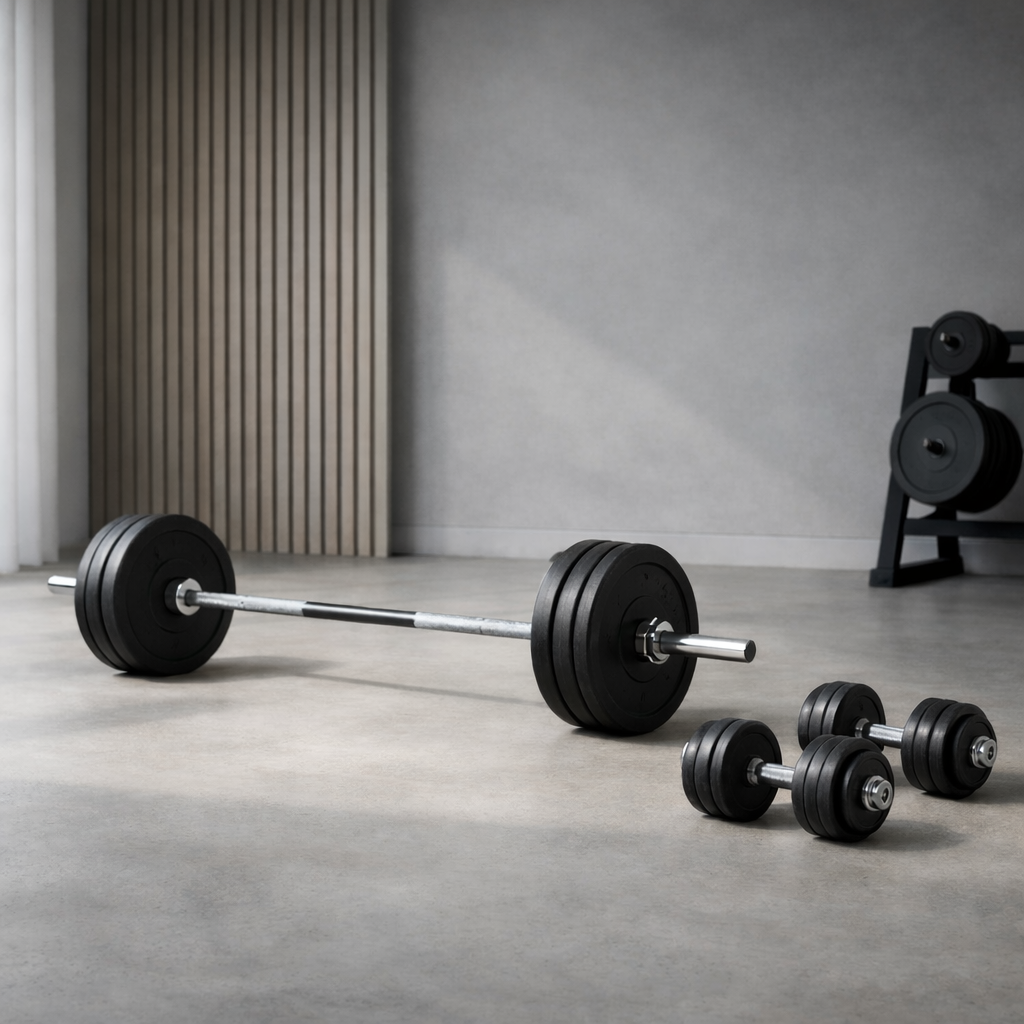
One of the most common questions in the gym is also one of the most misunderstood: Am I lifting heavy enough?
If your goal is muscle growth and fat loss, the answer has less to do with chasing big numbers and more to do with effort, intention, and, most importantly, how your body responds to each set. Lifting heavy enough does not mean lifting recklessly. It means applying enough resistance to signal change.
Here’s how to know if your workouts are actually doing the job.
What “heavy enough” really means
First or all, “heavy” is relative. What challenges one person may be a warm-up for another. For muscle growth and fat loss, the weight needs to be challenging for you, not impressive to anyone else. A good working set should feel demanding while still allowing you to maintain solid form. If you breeze through every rep without focus or effort, your body has no reason to adapt.
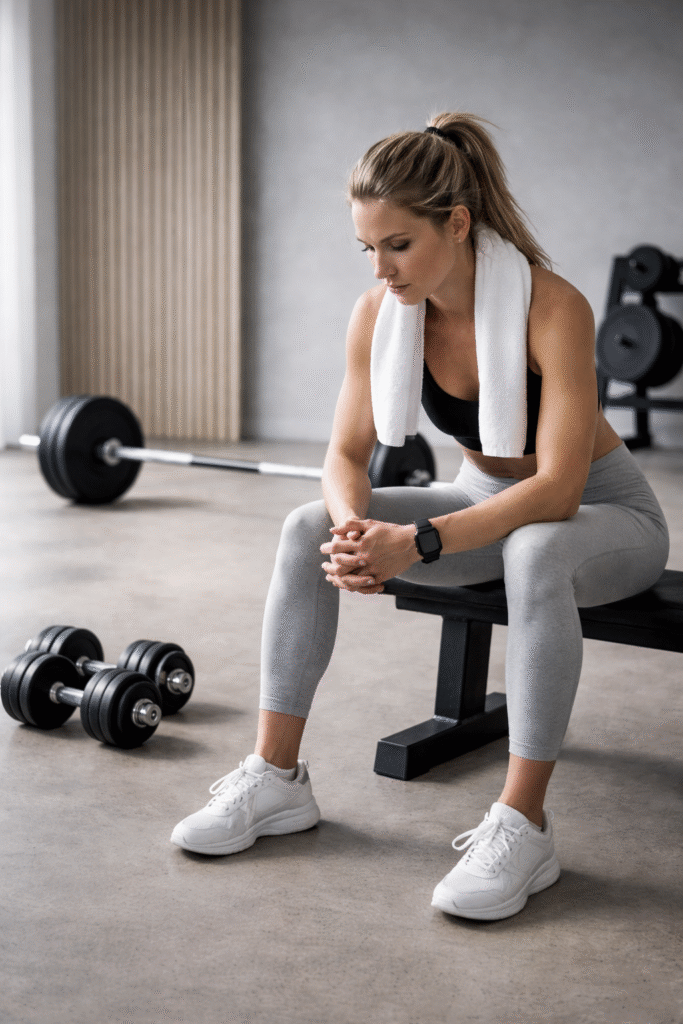
The rep test that tells the truth
One of the simplest ways to know if you’re lifting heavy enough is how many reps you have left at the end of a set.
For most strength and hypertrophy work:
- You should finish with one to three reps left in the tank
- The last few reps should slow down
- You should need to focus to finish strong
If you could easily knock out five to ten more reps, the weight is likely too light for muscle growth. On the other hand, if your form breaks down early or you fail halfway through every set, the weight may be too heavy. The goal is productive tension, not survival mode.
Muscle fatigue matters more than sweat
Sweating feels productive, but sweat alone does not build muscle.
When you are lifting heavy enough, you should feel a deep fatigue in the target muscles, a noticeable burn toward the end of the set and a mild shaking or loss of speed as fatigue sets in. If your heart rate spikes but your muscles feel untouched, you are doing conditioning with weights, not strength training. Both have value, but they serve different purposes.
Strength progression is the long-term signal
Muscle growth leaves patterns over time. Adding reps with the same weight, Increasing weight gradually over weeks or months and better control and confidence with movements that once felt heavy are clear signs you are lifting heavy enough.
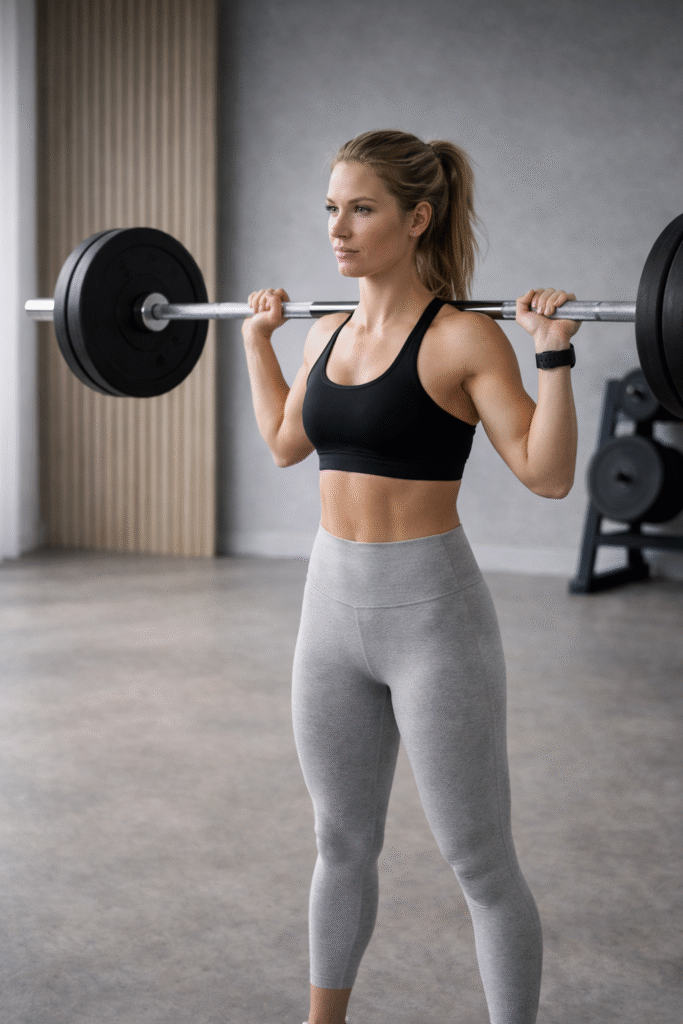
Progress does not need to happen every workout. If your numbers trend upward over time, your training is working.
The best rep ranges for muscle growth and fat loss
For most people, the sweet spot is:
- 6 to 12 reps per set
- 2 to 4 challenging sets per exercise
- Resting long enough to recover strength between sets
Higher reps can build endurance, but if you consistently exceed 15 to 20 reps without difficulty, the load is likely too light to stimulate muscle growth.
Why heavy lifting supports fat loss
Lifting heavy does not directly burn fat, but it plays a critical role in fat loss by preserving lean muscle during calorie deficits, increasing metabolic demand and improving overall body composition. Strength training shapes the body. Nutrition reveals it.
When heavy lifting is paired with adequate protein, daily movement, and consistent habits, fat loss becomes more sustainable and predictable.
A simple checklist after every set
Ask yourself:
- Did the last few reps feel challenging?
- Did I feel the target muscle working?
- Would repeating this set immediately feel difficult?
If the answer is yes, you are lifting heavy enough. If not, adjust the load next set.
You do not need to train to exhaustion every day. You need enough resistance to signal growth, enough recovery to repeat the work, and enough consistency to let results compound.
Heavy enough is not about ego. It is about intention.
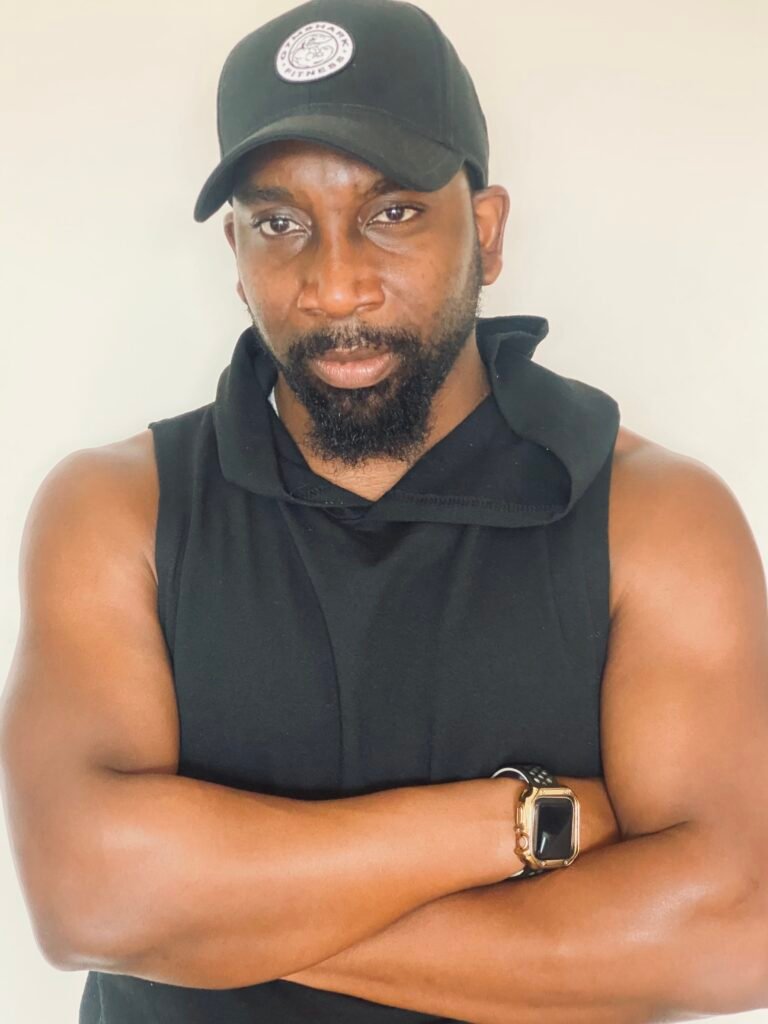
Interested in training with me or just want to connect?
Send a DM to @Litoswaay, or email Carlos@ConditionedLiving.com. I’d love to hear from you.
If you’re looking for a calm, realistic way to get started, you can also download my free guide, A Sustainable Start, which walks you through building strength, conditioning, and consistency without burnout or pressure.
Follow @ConditionedLiving for reflections, tips, and updates on mindset, strength, and everyday wellness.
Stay in the loop by joining my free mailing list for updates and inspiration.