Tag: Body composition

  • Why Body Weight Can Be Misleading: You Are Not a Number

    Why Body Weight Can Be Misleading: You Are Not a Number

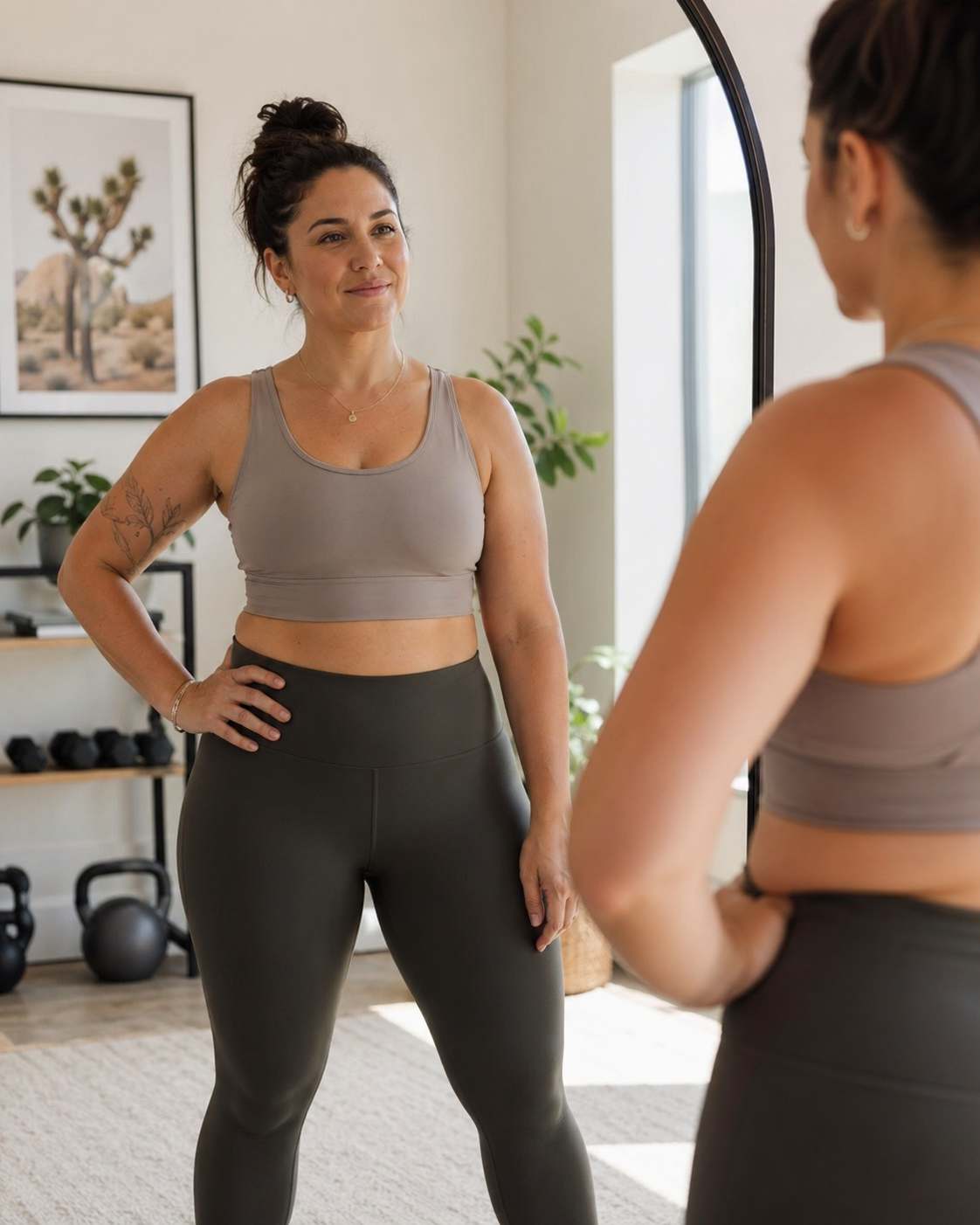
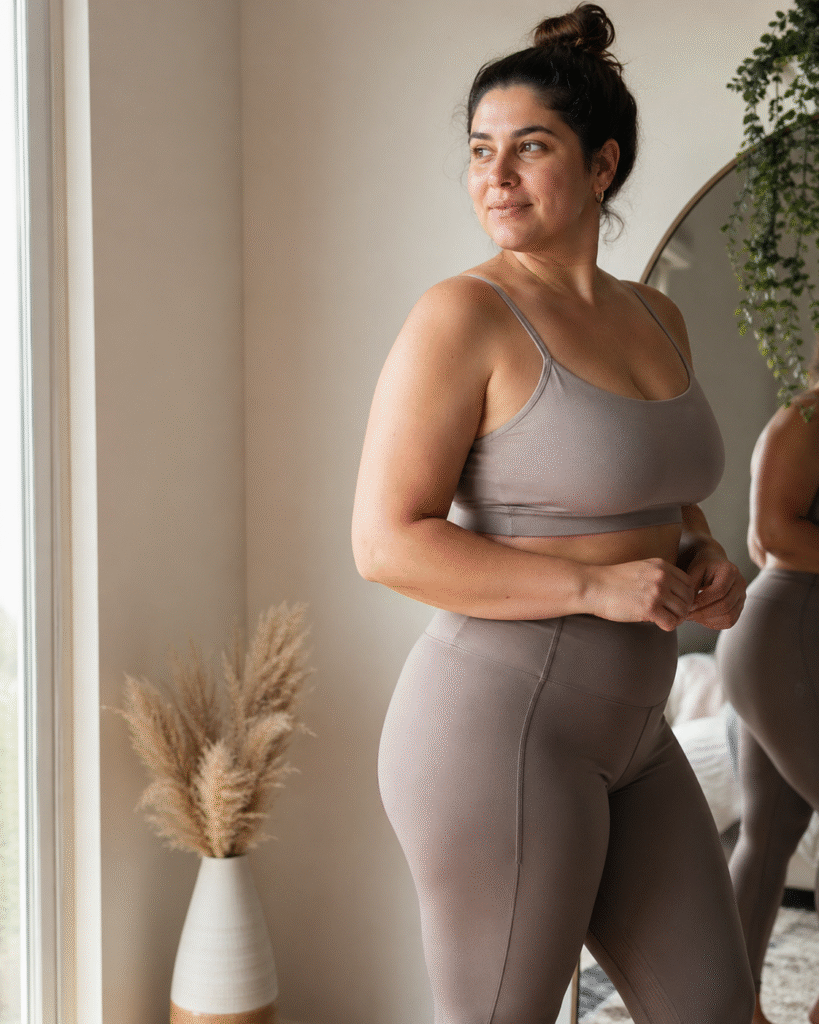
    Confident woman in neutral workout clothes standing near a tall mirror in a bright home fitness space, with dumbbells and kettlebells in the background, reflecting on her body and progress with a calm, body-positive expression.

    A number on the scale can feel louder than it should.

    People hear a weight like 180, 200, or 230 pounds and immediately picture a certain body type. They assume they know what that number looks like. They imagine size, softness, fitness level, and sometimes even health, but body weight can be misleading.

    Two people can weigh the exact same and look completely different. One person may look athletic and strong. Another may look softer. Someone else may carry weight in a way that makes the number surprising. That is because the scale only tells you total weight. It does not tell you height, muscle mass, fat distribution, posture, training history, or how someone feels in their body.

    The scale gives information, it doesn’t tell the whole story.

    Weight Does Not Sit the Same on Every Body

    One of the biggest reasons body weight can be misleading is that weight does not sit the same on every person.

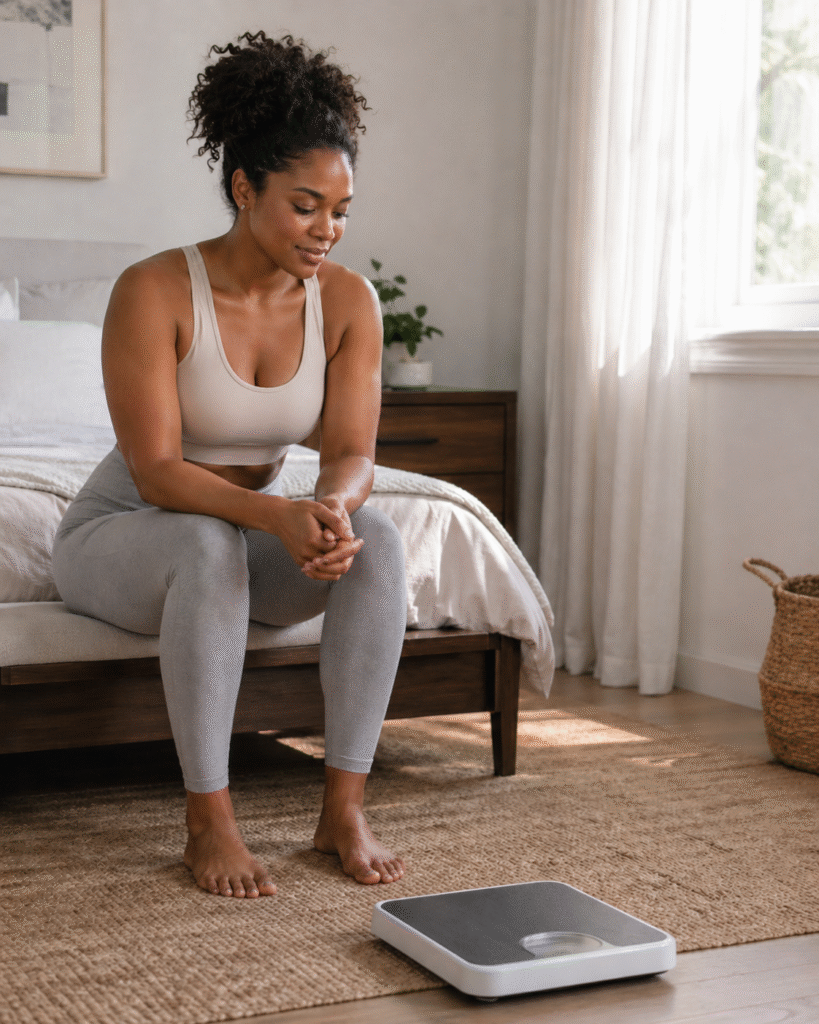
    African American woman in neutral athletic wear sitting on the edge of a bed in a bright bedroom, calmly looking toward a bathroom scale with no visible number, reflecting on wellness beyond weight.

    Height (for one) can change everything. A woman who is 230 pounds at 5 feet 2 inches will usually look very different from a woman who is 230 pounds at 5 feet 9 inches. A taller body has more space for that weight to distribute. The number may be the same, but the visual result can be completely different.

    Frame size matters too. Shoulder width, hip structure, bone density, and natural body shape all affect how weight appears. Some people carry weight evenly. Others carry more in their stomach, hips, thighs, chest, arms, or back. Just like I covered in BMI and Fitness: Why the Number Doesn’t Tell the Whole Story, a single measurement can give you information, but it cannot explain the full picture.

    Body Composition Matters More Than Body Weight

    Body composition is one of the most important parts of this conversation.

    Your total body weight includes muscle, fat, bone, water, organs, food, and stored glycogen. The scale does not separate those things for you. It simply gives you one number and lets your brain panic or celebrate from there.

    Someone with more muscle may weigh more than expected but look firmer, stronger, or more athletic. Muscle adds weight, especially in the legs, glutes, back, and shoulders. Someone else may weigh less but look softer if they have less muscle mass.

    This is why strength training can change the way your body looks even when the scale barely moves. If your goal is to build muscle while improving body composition, Are You Lifting Heavy Enough? A Simple Guide to Muscle Growth and Fat Loss breaks down why the right training stimulus matters. The scale tells you how much of you there is, not what that weight is made of.

    Fat Distribution Changes the Visual Story

    Fat distribution plays a major role in how someone looks at any weight.

    Some people gain weight mostly in the midsection, while others gain more in their hips, thighs, glutes, chest, arms, or back. Genetics, hormones, stress, age, activity level, and lifestyle can all affect where the body stores fat.

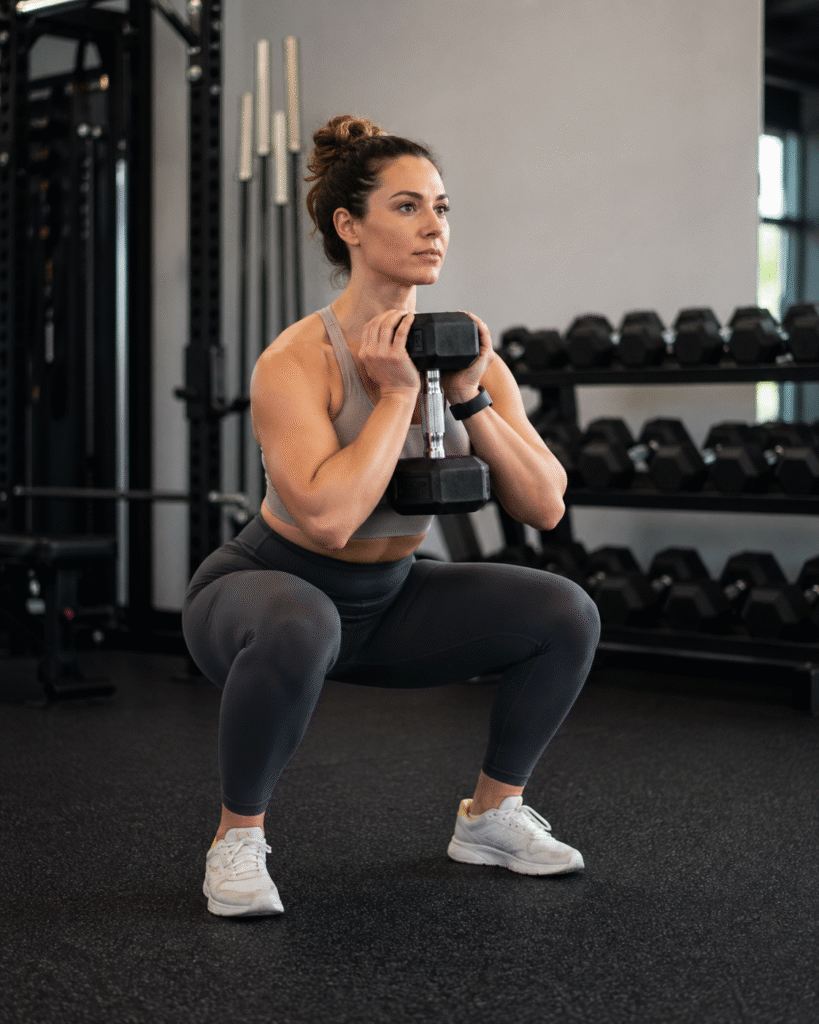
    Strong woman in neutral workout clothes performing a controlled goblet squat with a dumbbell in a clean gym, showing focused strength and natural athletic form.

    Someone can have noticeable softness in one area but still not look as big as the scale number sounds. A person may have belly softness, but if weight is also spread through the legs, hips, chest, and upper body, the overall appearance may look more balanced. Softness is not a moral failure. It is part of how bodies store energy and respond to life. The goal isn’t shame, it’s awareness.

    The Problem With Scale Obsession

    The scale becomes a problem when it turns into the only scoreboard. A higher number can make someone feel like they are failing, even if they are stronger, sleeping better, walking more, and building healthier habits. A lower number can create false confidence if that weight loss comes with muscle loss, low energy, or poor nutrition.

    Body weight is useful, but it needs context. It can help track trends, but it should not control the entire conversation. Better progress markers include:

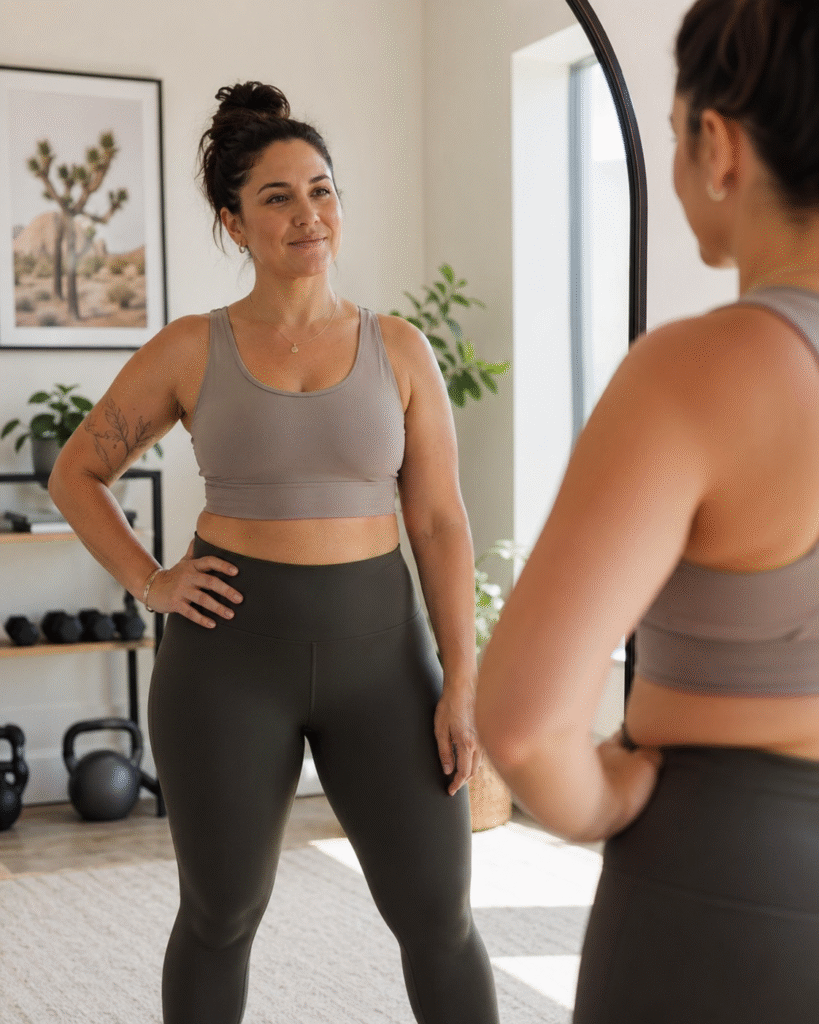
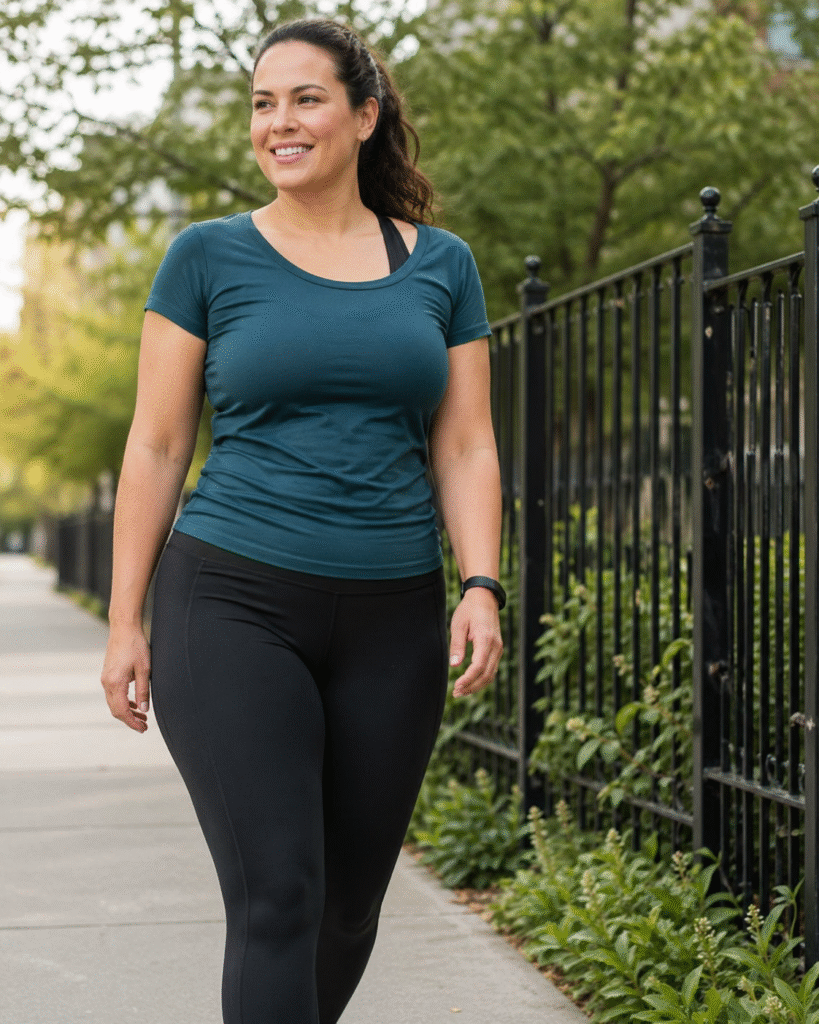
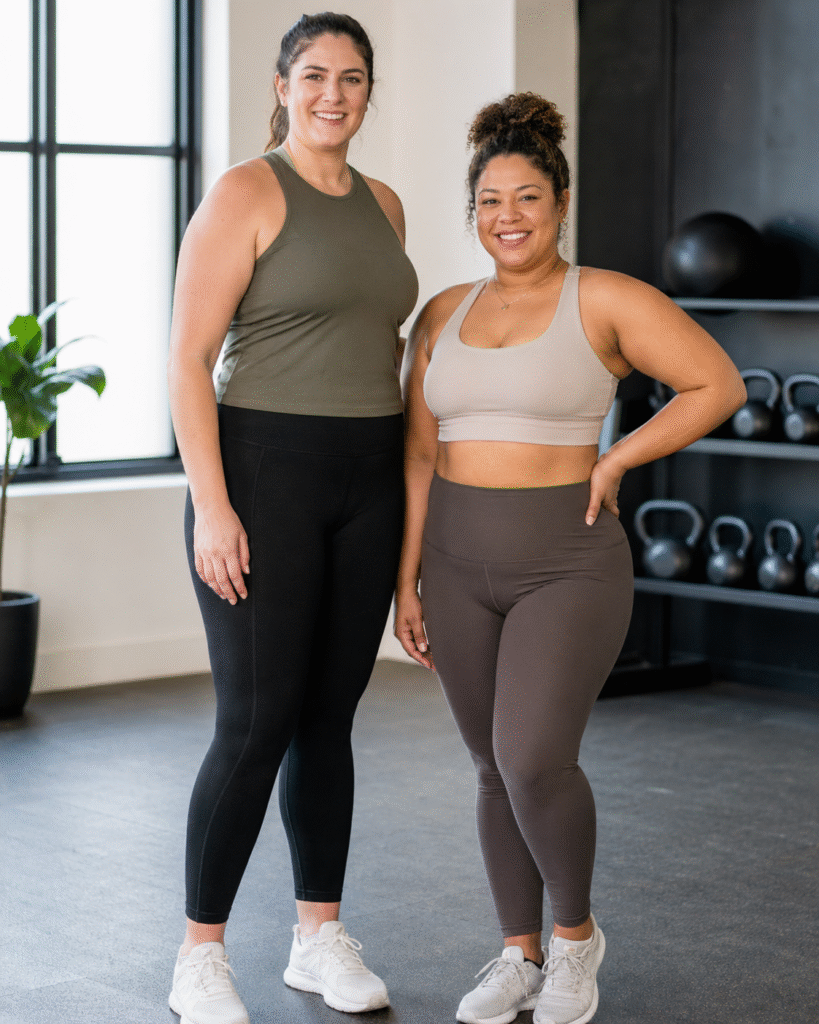
    Woman in neutral fitted workout clothes standing near a bright window and mirror, showing a natural body shape with a calm, confident expression in a warm wellness setting.
    • how your clothes fit
    • waist measurement
    • strength increases
    • walking endurance
    • workout recovery
    • resting heart rate
    • energy levels
    • mood
    • consistency

    Progress photos can help too, as long as they are used with a healthy mindset. A healthier body usually reveals itself through more than one number.

    You Are Not a Scale Reading

    You can weigh more than expected and not look the way people assume. You can weigh less and still feel soft, weak, or out of shape. You can also stay the same weight while building a stronger, healthier body underneath. The goal is not to ignore the scale completely. The goal is to stop giving it more power than it deserves.

    If you take one thing away for this let it be that ou do not look like a number. You look like a combination of height, structure, muscle, fat distribution, habits, history, and life. That is why real progress should be measured by more than pounds.

    Focus on building strength, improving your conditioning and moving consistently. Eat in a way that supports your body and let the scale be one tool, not the final judge.

    Interested in training with me or just want to connect?

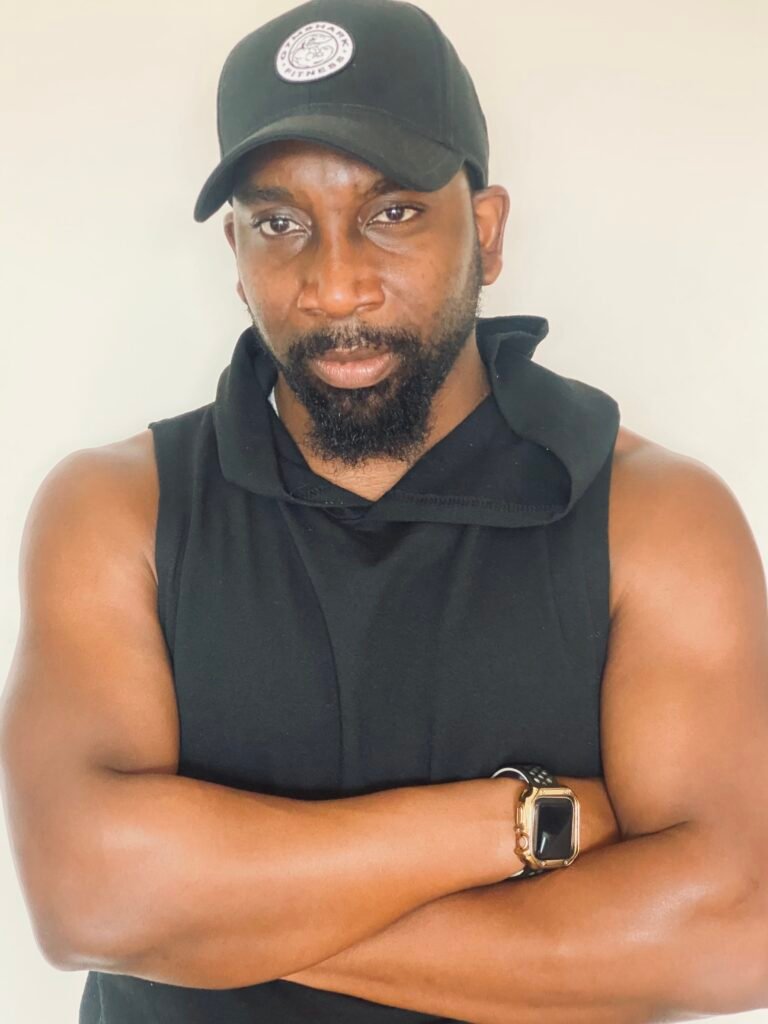
    Fitness professional standing with arms crossed, wearing a black sleeveless hoodie and cap, calm confident expression against a clean neutral background.

    Send a DM to @ConditionedLiving, or email Carlos@ConditionedLiving.com.  Stay in the loop by following me on social media for updates, inspiration, for reflections, tips, and updates on mindset, strength, and everyday wellness.
    Also, download the free guide A Sustainable Start to begin your journey toward sustainable strength and wellness.

  • BMI and Fitness: Why the Number Doesn’t Tell the Whole Story

    BMI and Fitness: Why the Number Doesn’t Tell the Whole Story

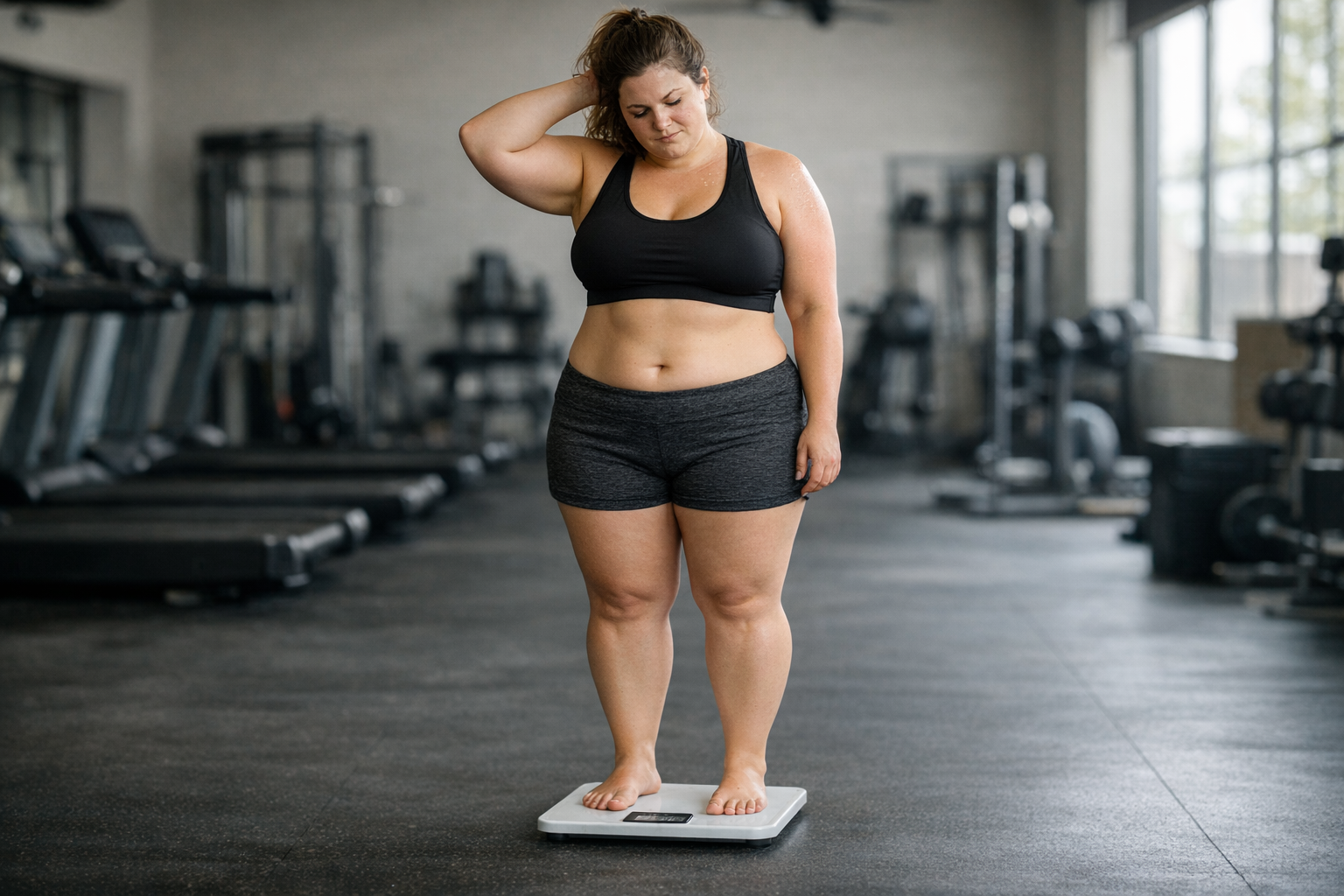
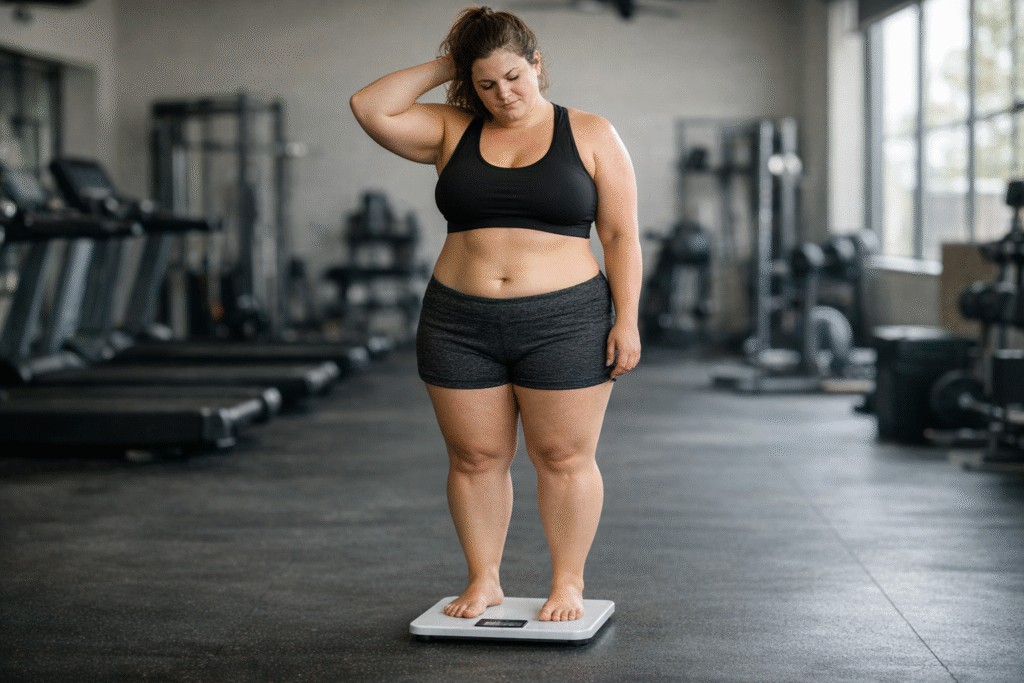
    Athletic woman with a slightly chubby build standing on a digital scale in a modern gym, looking thoughtfully at the number, illustrating confusion around weight, BMI, and fitness progress.

    Why BMI Can Be Confusing for People Who Exercise

    Many people begin exercising with the expectation that progress will show up clearly on a scale or through measurements like BMI. When those numbers don’t change the way they expect, it can create confusion about whether their efforts are actually working.

    Someone may begin strength training, improve their conditioning, and develop consistent exercise habits. They feel stronger, move better, and notice their workouts becoming more structured. Then they check their BMI and see little change, or sometimes even a higher number.

    Moments like this reveal an important truth about BMI: while it can provide general information about population health trends, it does not always capture what is happening within an individual fitness journey.

    Understanding where BMI is helpful and where it falls short can make it easier to interpret progress more realistically.

    What BMI Was Originally Designed to Measure

    BMI, or Body Mass Index, was created in the 1800s by a Belgian statistician named Adolphe Quetelet. His goal was not to evaluate individual fitness or health. Instead, the formula was designed as a simple way to study weight patterns across large populations.

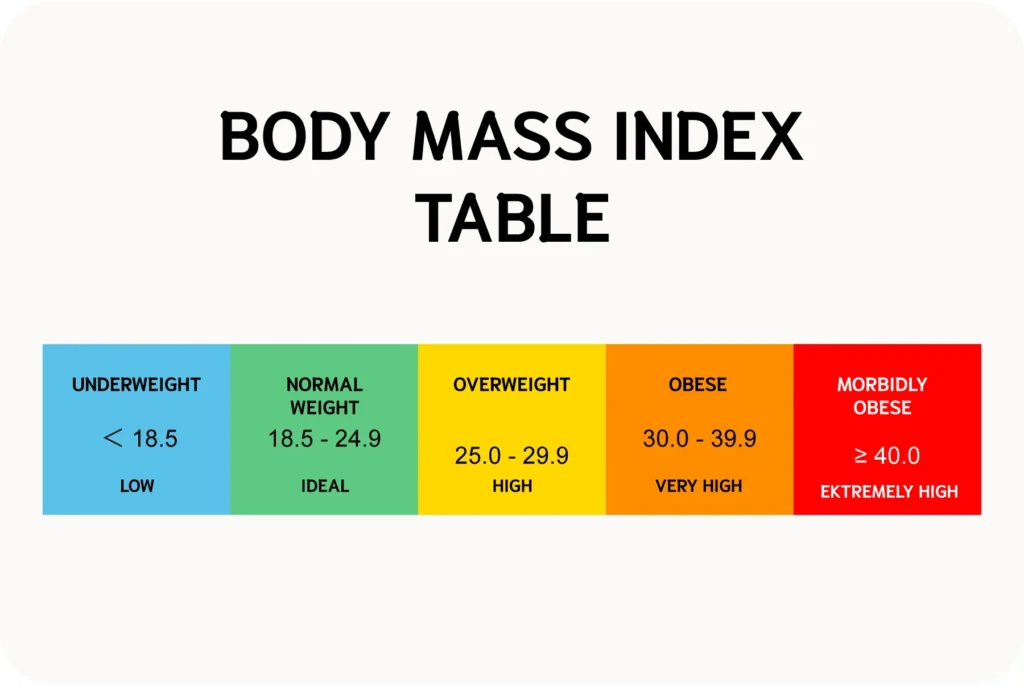
    Color-coded Body Mass Index (BMI) chart showing weight categories from underweight to morbidly obese with BMI ranges used to classify body weight.

    The calculation compares a person’s weight to their height and produces a number that places them into categories such as underweight, normal weight, overweight, or obese. Because the formula is simple and easy to apply, it has become widely used in public health and medical settings.

    However, BMI was never designed to evaluate body composition or athletic performance. It simplifies the body into a single number, which means it cannot capture the full complexity of how someone trains, moves, or builds strength.

    Why Muscle Mass Can Make BMI Misleading

    One of the biggest limitations of BMI becomes clear when people begin resistance training.

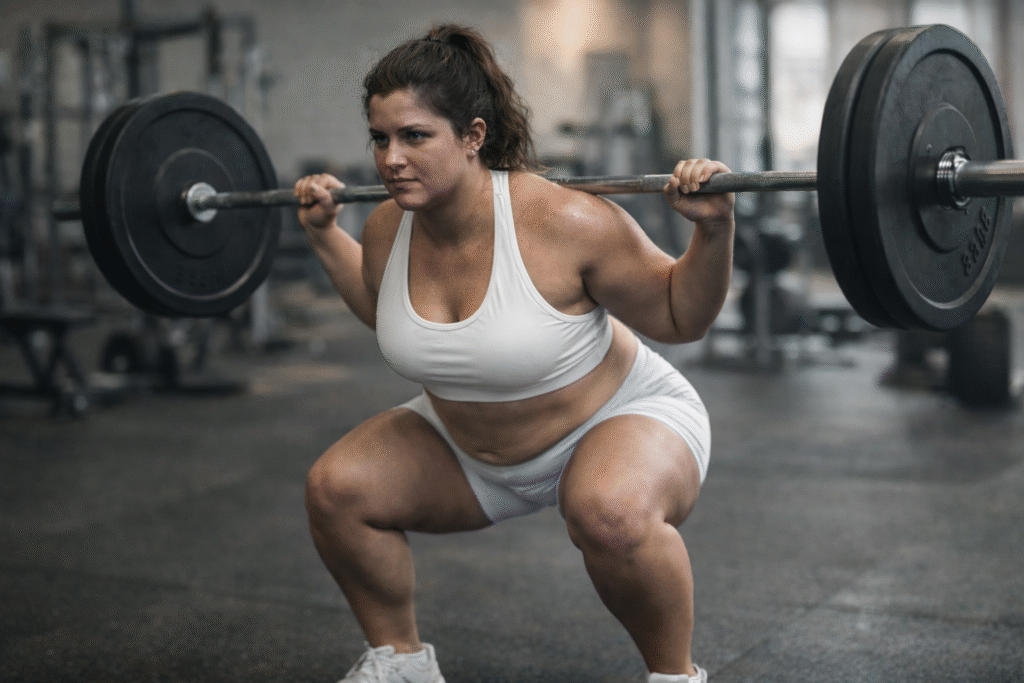
    Strong female athlete performing a barbell squat in a gym, illustrating strength training and how muscular fitness does not always align with BMI measurements.

    Muscle tissue weighs more than fat by volume. As someone begins lifting weights and building muscle, their body composition may improve even if their overall weight stays the same. In some cases, their weight may increase slightly as muscle develops. In fact, learning how to train with enough resistance to stimulate muscle growth is something I discuss in “Are You Lifting Heavy Enough? A Simple Guide to Muscle Growth and Fat Loss.”

    Because BMI only looks at total body weight relative to height, it cannot distinguish between muscle and fat. A person becoming stronger and leaner could technically move into a higher BMI category despite improving their physical fitness.

    Body Composition vs BMI: What the Number Misses

    Another limitation of BMI involves body composition.

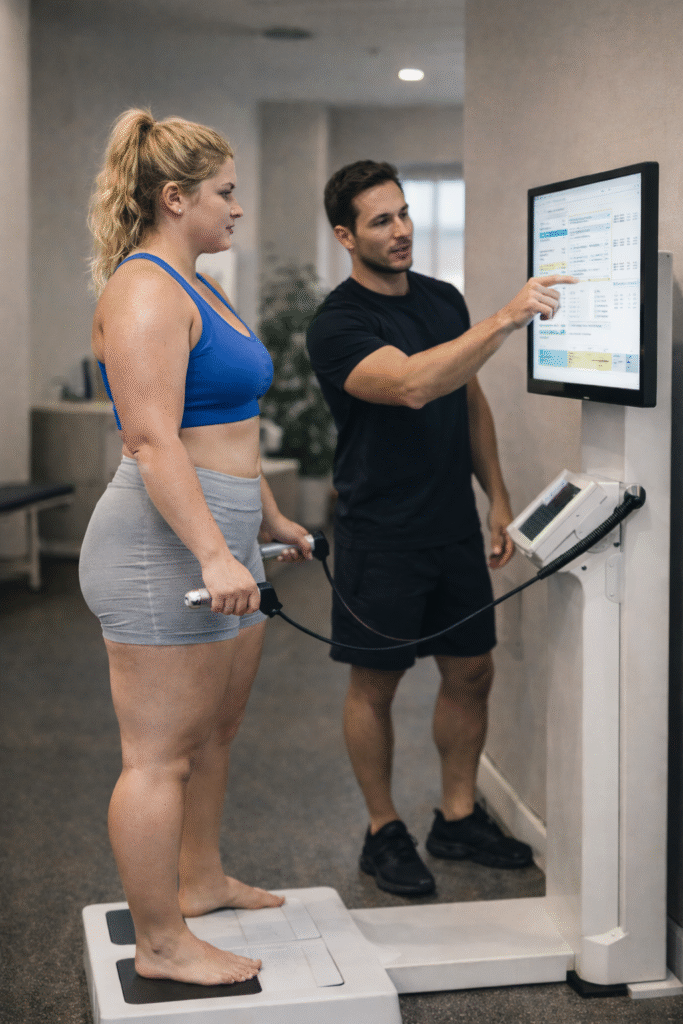
    Athlete undergoing a body composition scan while a trainer reviews results on a screen, illustrating modern fitness testing beyond BMI measurements.

    Two people can have identical BMI scores while having completely different physical profiles. One person may carry higher levels of muscle and lower body fat. Another person may have lower muscle mass and higher body fat.

    Even though their BMI numbers are identical, their strength levels, metabolic health, and physical resilience could be dramatically different. BMI measures total body mass, but it does not measure what that mass is made of.

    Real Fitness Progress Goes Beyond Body Weight

    Fitness progress often appears in ways BMI cannot measure.

    Strength improvements, better endurance, and faster recovery between workouts are all meaningful signs of physical adaptation. In fact, this difference between real training progress and simply going through the motions is something I explored more deeply in “Are You Actually Building Strength or Just Exercising?”

    Someone who consistently trains may find that exercises feel smoother, movements become more controlled, and their conditioning steadily improves.These changes reflect real progress even if they do not immediately change a height-to-weight ratio.

    Why BMI Is Still Widely Used in Health Guidelines

    BMI remains widely used because it is simple and inexpensive to calculate. Public health systems rely on metrics that can be applied quickly across large groups of people. For population-level trends, BMI can provide useful general insights.

    But for individuals who are actively training, the number often tells only part of the story.

    Trainer reviewing BMI and body composition data on a tablet with a client during a health consultation, illustrating modern fitness and health assessment.

    A better way to think about fitness progress is to consider a broader picture. Strength, conditioning, consistency, and sustainable habits all play important roles in long-term health.

    Charts and formulas may provide helpful context, but they rarely capture the full reality of someone’s training journey.

    In the long run, real progress is often reflected not just in numbers, but in how the body moves, performs, and adapts over time.


    Interested in training with me or just want to connect?

    Fitness professional standing with arms crossed, wearing a black sleeveless hoodie and cap, calm confident expression against a clean neutral background.

    Send a DM to @Litoswaay, or email Carlos@ConditionedLiving.com.
    If you’re looking for a calm, realistic way to get started, you can also download my free guide, A Sustainable Start, which walks you through building strength, conditioning, and consistency without burnout or pressure.

    Follow @ConditionedLiving for reflections, tips, and updates on mindset, strength, and everyday wellness. Stay in the loop by joining my free mailing list for updates and inspiration.

fb-share-icon
Instagram